From the archive
Air India Express Resumes Gulf Flights Amidst West Asia Ceasefire
Air India Express resumes flights to Qatar and Bahrain, increasing Gulf services amid a West Asia ceasefire.
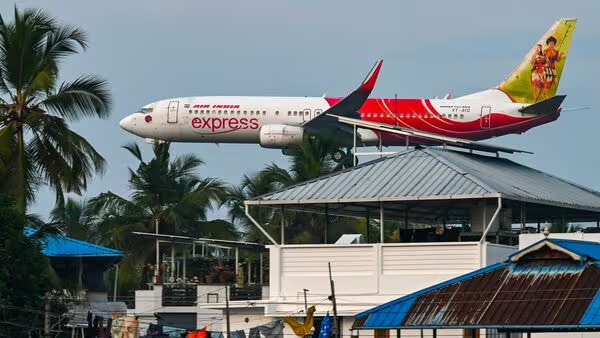
Air India Express has announced the resumption of its services to Qatar and Bahrain, leveraging a two-week truce in West Asia that was negotiated in Islamabad in mid-April and recently extended by President Trump. This fragile ceasefire has been instrumental in creating a key 'security window', allowing for the restoration of vital commercial air links. This move comes as Air India and IndiGo also prepare to restart full operations at Doha’s Hamad International Airport beginning May 1, signifying a broader return to normalcy for air travel in the region.
According to Air India Express, flights have resumed from major Indian metros and regional gateways, including Amritsar, Bengaluru, Delhi, Hyderabad, Jaipur, Kochi, Kozhikode, Kannur, Lucknow, Mangaluru, Mumbai, Tiruchirappalli, Thiruvananthapuram and Varanasi. The airline specifically confirmed that it would resume services to Qatar and Bahrain, destinations that had seen adjusted schedules during the recent period of regional instability. Air India Express stated it will continue operating to Al Ain, Abu Dhabi, Dubai, Ras Al Khaimah, Sharjah, Jeddah, Riyadh and Muscat, with the reinstatement of established routes connecting India to the Gulf region. The airline's decision to restore these routes shows its commitment to re-establishing strong connectivity between India and key destinations across the Gulf.
Expanded Network Details
Air India Express announced an increase in frequencies to the UAE, Oman, and Saudi Arabia as part of its expanded flight schedule, further enhancing its presence and capacity in the strategically important Gulf market. These service changes are effective starting April 30, 2026, marking a significant step in the airline's post-truce operational adjustments. Services have restarted from various Indian locations, including major metros and regional gateways. Air India Express stated, "Flights have resumed from major Indian metros and regional gateways, including Amritsar, Bengaluru, Delhi, Hyderabad, Jaipur, Kochi, Kozhikode, Kannur, Lucknow, Mangaluru, Mumbai, Tiruchirappalli, Thiruvananthapuram and Varanasi." This full list of departure points notes the airline's extensive network within India, designed to serve a wide base of travelers destined for the Gulf.
The carrier also confirmed its continued operations to several destinations, ensuring uninterrupted service to its established customer base. "Air India Express will continue operating to Al Ain, Abu Dhabi, Dubai, Ras Al Khaimah, Sharjah, Jeddah, Riyadh and Muscat, with the reinstatement of established routes connecting India to the Gulf region," Air India Express said. The airline operates more than 500 daily flights, demonstrating its substantial operational scale and reach across its network. These flights link 45 domestic hubs with 17 international destinations, showing Air India Express's role as a vital carrier for both domestic and international travel. Its operational capacity is supported by a fleet comprising over 100 Boeing 737 and Airbus A320 aircraft, providing the flexibility and reliability required for its extensive flight schedule. The resumption and expansion of these routes aim to restore connectivity between India and the Gulf region, following a period of adjusted flight schedules and operational challenges caused by regional tensions. The airline's proactive measures are expected to cater to the pent-up demand for travel, particularly from the large Indian expatriate community residing in the Gulf countries.
Regional Instability and Recovery
The service changes implemented by Air India Express are effective starting April 30, 2026, marking a key moment in the region's recovery. This restoration of flight operations occurs two months after the launch of ‘Operation Epic Fury’ on February 28, 2026, an event that had previously intensified regional tensions. Regional instability had previously impacted critical infrastructure, leading to significant disruptions across various sectors. Notably, Iranian strikes on March 18 compromised 17% of Qatar's Liquefied Natural Gas (LNG) capacity located at Ras Laffan, a critical energy hub. This incident showed the severe economic and infrastructural vulnerabilities exposed during the period of heightened conflict.
During the period of heightened tension, Qatari airspace was largely restricted to commercial aircraft for nearly sixty days, severely limiting international air traffic to and from the nation. This restriction had a profound impact on travel and trade, isolating the region from the global aviation network. Hamad International Airport (DOH) in Doha had also been under significant restrictions, limiting its operations primarily to emergency and evacuation missions since March. The airport, a major international transit hub, saw its usual bustling commercial activity brought to a near standstill, reflecting the gravity of the security situation. The resumption of flights by Air India Express and other carriers signifies a return to more normalized air travel conditions in the region following the recent ceasefire, offering a key lifeline for economic and social connectivity. The reopening of airspace and the restoration of commercial operations at Hamad International Airport are critical indicators of the improved security environment and the effectiveness of the truce in mitigating immediate threats.
Global Aviation Concerns
Willie Walsh, head of the global airline association IATA, warned of potential jet fuel shortages across Asia and Europe in the coming months, adding a layer of complexity to the recovery efforts of airlines. Walsh noted that the extreme spike in fuel expenses is increasingly being passed on to passengers through higher ticket prices, impacting the affordability of air travel. He stated, "While this has not impacted March traffic or forward bookings to date, it remains to be seen at what point high prices could start to shift passenger behaviour. So far, the summer is shaping up to be a normally busy time for travel. That's positive news, but airline resilience is being tested and stabilising the supply and price of fuel is key." His observations highlight the delicate balance airlines must maintain between operational costs and passenger demand, especially as they navigate the post-conflict recovery phase. The rising cost of fuel presents a significant challenge, potentially offsetting the benefits of increased demand from restored routes.
Concerns about fuel supply and pricing add a layer of complexity for airlines as they restore routes and increase frequencies, particularly for carriers like Air India Express expanding their Gulf operations. The global energy market volatility, exacerbated by geopolitical events, continues to be a major factor influencing airline profitability and operational planning. Walsh is scheduled to transition from his current role at IATA to become the CEO of IndiGo this August, moving into a leadership position at an airline directly navigating these market conditions. His impending move to IndiGo, a major Indian carrier also restarting operations in the Gulf, adds weight to his warnings about fuel costs and supply chain stability. His observations highlight the broader challenges faced by the aviation industry amidst regional developments and global economic pressures on operational costs, emphasizing the need for strong strategies to ensure sustainable growth and continued connectivity. The interplay between regional stability, global fuel markets, and airline operational resilience will define the trajectory of air travel recovery in the coming months.