From the archive
Arab League Praises Qatar's Role in US-Iran Agreement
The Arab League praises Qatar's mediation role in a US-Iran agreement that helped achieve a ceasefire, according to Assistant Secretary-General Dr.
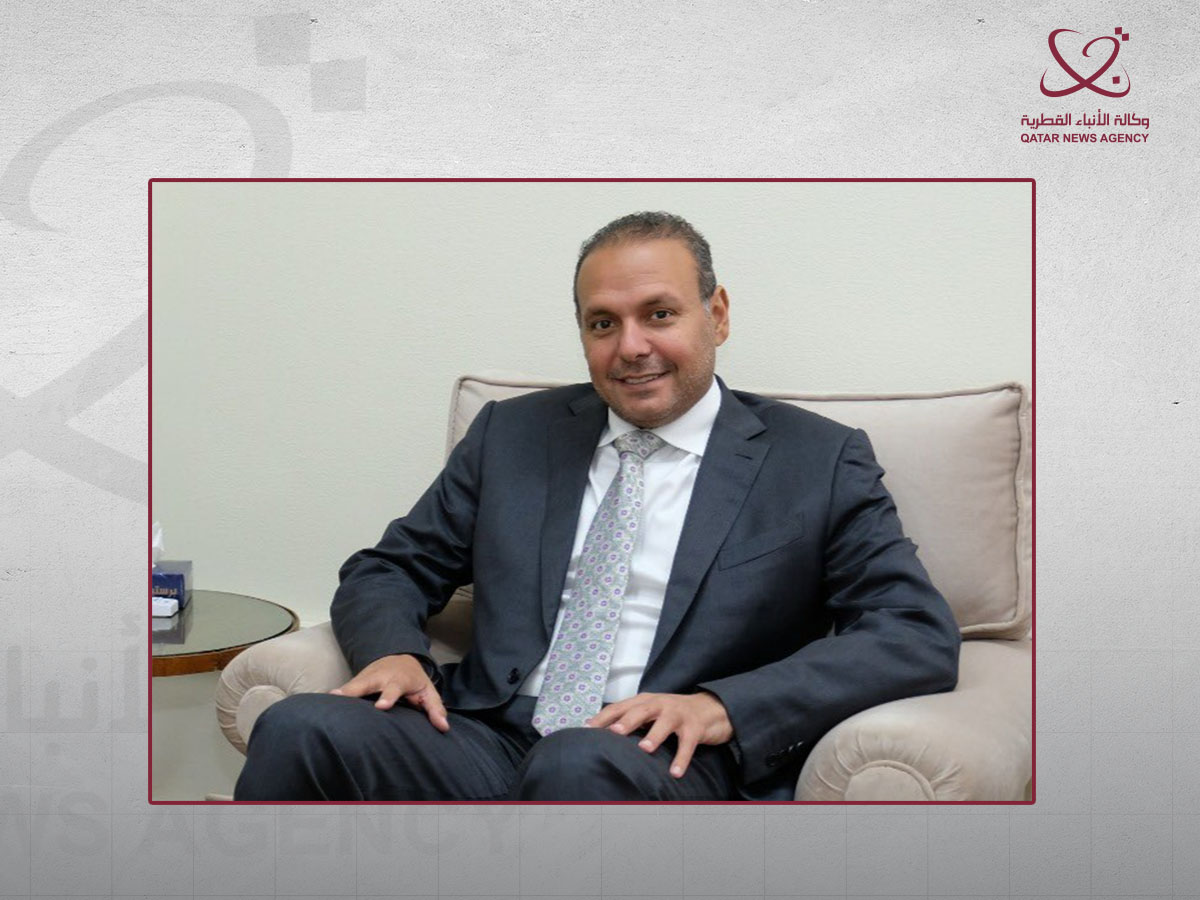
Dr. Khaled bin Mohammed Manzalawi, Assistant Secretary-General and Head of Political Affairs Sector at the Arab League, praised the State of Qatar's efforts for facilitating an agreement between the United States and the Islamic Republic of Iran. The Arab League official noted Qatar's role in reaching the deal, which occurred during a particularly challenging period for the region. The agreement ultimately contributed to achieving a ceasefire, according to Dr. Manzalawi. This significant diplomatic achievement came at a particularly difficult time for the region, showing the urgency and importance of the mediation efforts. The successful conclusion of this agreement, leading to a cessation of hostilities, was a critical step towards de-escalation.
Mediating Efforts Detailed
Dr. Khaled bin Mohammed Manzalawi, Assistant Secretary-General and Head of Political Affairs Sector at the Arab League, stated that Qatar played a constructive role alongside Pakistan in mitigating the conflict's impact on the region. He emphasized that this intervention was key for "sparing the region the consequences of the conflict, which had resulted in significant human and economic losses." Indeed, Qatar played a constructive role with Pakistan in sparing the region the consequences of the conflict, which had resulted in significant human and economic losses. These losses affected not only the immediate parties but also had broader implications for regional stability and development. Following the agreement, a 60-day period was established to initiate sustained negotiations. These talks are specifically aimed at securing regional peace and stability, reflecting the ongoing diplomatic efforts to de-escalate tensions and foster a more secure environment in the Gulf states, Jordan, and Iraq. The establishment of this 60-day period for negotiations signaled a commitment to a longer-term strategy for conflict resolution and stability.
Regional Impact and Security
The crisis between the United States and the Islamic Republic of Iran had affected the Gulf states, Jordan, and Iraq, alongside the global economy. This widespread impact noted the interconnectedness of regional security with international economic stability. Dr. Khaled bin Mohammed Manzalawi, Assistant Secretary-General and Head of Political Affairs Sector at the Arab League, stated that the security of the Gulf region is an extension of Arab national security. This perspective notes the interconnectedness of regional stability and the broader national interests of Arab nations. Manzalawi emphasized that conditions should return to what they were before February 28, particularly concerning the freedom of navigation. Ensuring the security of maritime routes is a key aspect of this return to prior conditions, according to the Arab League official. The disruption to maritime activities had posed significant challenges to both regional trade and international shipping. The call for a return to pre-crisis conditions shows the importance of unimpeded movement through vital waterways for economic stability and regional peace. The specific date of February 28 serves as a benchmark for the restoration of normal conditions, especially regarding critical maritime passage.
Broader Significance of Diplomacy
The efforts of Qatar and Pakistan show a broader commitment to peaceful resolutions among Arab states, according to Dr. Khaled bin Mohammed Manzalawi, Assistant Secretary-General and Head of Political Affairs Sector at the Arab League. Dr. Manzalawi stated, "The efforts undertaken by Qatar and Pakistan demonstrated that peaceful solutions are the objective pursued by Arab states, stressing that multilateral action can produce meaningful and effective positive outcomes." This perspective notes the belief that collaborative diplomatic engagement is essential for achieving stability and addressing complex regional challenges. The successful mediation between the United States and the Islamic Republic of Iran is presented as an example of how concerted multilateral efforts can lead to tangible positive results. Such actions reinforce the diplomatic approach as a primary tool for managing international relations and de-escalating conflicts in the region. The Arab League's praise for Qatar's role further solidifies the view that proactive diplomacy and mediation are vital for navigating geopolitical complexities and fostering a more secure and prosperous Middle East.