From the archive
Asian LNG Prices Rise Amid Geopolitical Tensions and Supply Squeeze
Asian spot LNG prices climbed this week, influenced by geopolitical tensions and supply constraints, including Qatar's extended force majeure and ongoing…
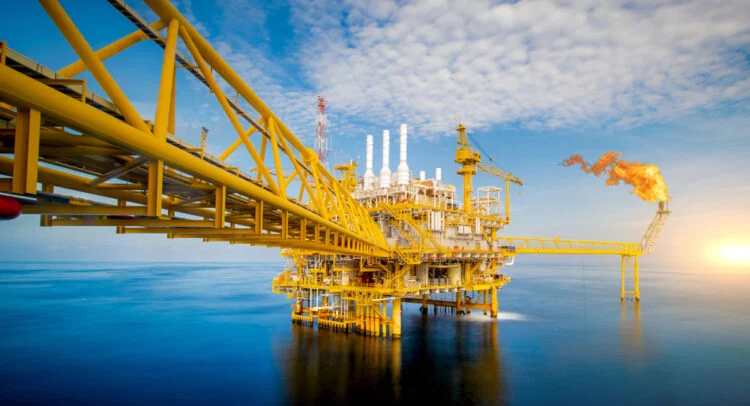
Asian spot liquefied natural gas (LNG) prices advanced this week, driven by persistent geopolitical tensions and a tightening of global supply. The increase in prices reflects ongoing concerns about disruptions to energy shipments, particularly from key producing regions. This upward trend in the Asian market comes as buyers assess potential impacts on future deliveries. The global energy landscape continues to see volatility, influencing commodity markets across Asia.
Market Drivers and Constraints
The prompt market for liquefied natural gas (LNG) is experiencing tightening conditions due to several significant factors, notably Qatar's extended force majeure and the ongoing conflict involving Iran. These developments collectively contribute to a constrained supply environment, influencing pricing and availability for buyers, particularly in the Asian market. Qatar, a major global LNG exporter, has maintained an extended force majeure, impacting its contractual obligations and the volume of gas available for immediate delivery. This situation stems from operational issues or unforeseen circumstances that prevent the fulfillment of contracts, thereby reducing the expected flow of supply into the market. Concurrently, the unresolved conflict involving Iran introduces an additional layer of geopolitical risk to energy shipments in a critical transit region. Instability in the Middle East, particularly in areas near key shipping lanes, raises concerns among market participants about potential disruptions to the transport of LNG and other hydrocarbons. These combined pressures from both supply-side constraints and geopolitical uncertainties are driving up prompt LNG prices as buyers compete for limited available cargoes. The extended force majeure from Qatar limits immediate supply options, while the regional conflict adds a risk premium to the cost of securing and transporting gas, contributing to the overall tightness observed in the market.
Global Benchmarks and Outlook
Regional demand for liquefied natural gas (LNG) and elevated shipping risk premia are currently counteracting softer trends observed in U.S.-linked benchmarks, including Natural Gas futures. This dynamic suggests that while some underlying market indicators show weakness, regional factors are exerting a stronger upward pressure on Asian LNG prices. Natural Gas futures have registered a decline of approximately 5.9% over the past month. This decrease reflects broader market conditions for U.S. Natural gas, which typically influences global benchmarks. Despite this downward movement, the specific geopolitical and supply constraints affecting Asian markets are maintaining elevated prices there. A 1-day technical analysis for Natural Gas futures currently indicates a cautious Sell stance, further underlining the prevailing bearish sentiment in that particular segment. However, the localized effects of strong Asian demand and the added cost of transporting LNG through potentially volatile regions continue to override these bearish signals for the Asian spot market.
Supply Disruptions Detailed
The June delivery price for liquefied natural gas (LNG) into north-east Asia was reported at approximately $17.80 per million British thermal units (mmBtu). This pricing reflects the current market conditions influenced by ongoing supply constraints and geopolitical factors. The sustained demand from Asian buyers, combined with limited immediate availability, has contributed to the elevated cost for June deliveries. Market participants are closely monitoring developments that could further impact supply chains and pricing stability in the region. The reported price represents the prevailing rate for prompt supply in a market characterized by tightness.