From the archive
Gulf Energy Shipments Resume After US-Iran Interim Deal
Gulf energy shipments resume following a US-Iran interim deal, with a Qatar LNG tanker sailing towards the Strait of Hormuz, easing regional supply…
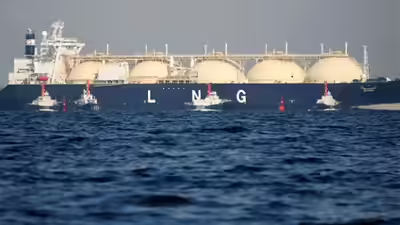
Energy shipments in the Gulf have resumed sailing following an interim agreement signed between the United States and Iran. This significant development comes after the Middle East experienced over 100 days of conflict, which had previously disrupted regional energy supplies and created considerable uncertainty in global markets. The resumption of these key shipments indicates a potential de-escalation of tensions impacting a key global energy passageway, vital for the transport of a substantial portion of the world's oil and liquefied natural gas. The interim deal aims to restore stability to a region that plays an indispensable role in international energy security.
Tanker Heads to Pakistan
The Mraikh, a tanker chartered by QatarEnergy, has begun heading towards the Strait of Hormuz, marking a key moment for regional shipping. This vessel had remained in the Persian Gulf since February, according to shipping data compiled by Bloomberg, showing the previous paralysis in maritime traffic. Its departure marks a significant change in regional shipping patterns, as no empty liquefied natural gas (LNG) tanker had entered the Persian Gulf since the conflict erupted in late February. The Mraikh's movement, laden with cargo, suggests a concrete step towards the resumption of regular energy transit through the critical waterway, signaling a return to normalcy after a period of intense disruption.
Pakistan is currently seeking an LNG cargo through a tender process, a measure taken due to the prior supply uncertainties. However, this tender may be cancelled if the Mraikh arrives with its shipment, indicating the immediate relief and impact of the tanker's journey. The vessel's journey indicates concerted efforts to normalize supply lines that were previously impacted by regional tensions and the closure of the Strait. The presence of the QatarEnergy-chartered tanker in transit reflects a broader effort to restore energy flows following the recent interim deal between the US and Iran, providing much-needed stability to energy-dependent nations.
Details of US-Iran Agreement
US President Donald Trump announced an agreement with Iran that includes the reopening of the Strait of Hormuz, a key demand from the international community. The accord, signed on Wednesday, mandates that Tehran dilute its stockpile of highly enriched uranium, a critical step towards de-escalation of nuclear proliferation concerns. In return, the United States will waive sanctions it imposed on Iran, providing economic relief to Tehran and facilitating the implementation of the agreement.
A permanent end to hostilities is stipulated by the agreement, a long-term objective for regional stability, which also initiates a 60-day negotiating period regarding Iran's nuclear program. This period is intended to allow for further diplomatic efforts to secure a full and lasting resolution. Draft documents related to the deal indicate that ships will be permitted to transit through the Strait of Hormuz without incurring tolls for a duration of two months. This provision is designed to immediately alleviate the financial burden on shipping companies and facilitate the rapid resumption of trade through the vital corridor, ensuring that global supply chains can quickly recover from the earlier disruptions.
Strait's Key Role and Impact
Activity has resumed in the Strait of Hormuz following months of disruptions, a development keenly watched by global energy markets. Qatar, a major global LNG exporter, is seeking to bring back most of its liquefied natural gas (LNG) export capacity within two months of the Strait reopening. This ambitious target notes the urgency and economic importance of the waterway's full operational status. The waterway's closure had significantly impacted global energy markets, restricting access to approximately a fifth of worldwide LNG supplies, leading to price volatility and supply concerns. The recent interim agreement between the United States and Iran, which explicitly includes the reopening of the Strait, is therefore expected to facilitate the rapid normalization of these critical energy flows. This development is key for major energy producers like Qatar to resume full operational capacity and meet global demand, helping to stabilize international energy prices and ensure reliable supply. The resumption of traffic through this chokepoint is a clear indicator of the deal's immediate positive impact on maritime commerce and energy security.
Pakistan's Relief and Outlook
A liquefied natural gas (LNG) loaded tanker is moving towards the Strait of Hormuz, a journey that holds significant implications for energy-importing nations. The Mraikh, which loaded its cargo earlier this month, is expected to dock at Pakistan's Port Qasim, providing a key energy supply to the nation. Pakistan had previously held discussions with Tehran regarding the safe passage of LNG tankers, showing the diplomatic efforts made to secure its energy needs during the period of heightened tensions. These discussions were vital in ensuring that essential supplies could eventually reach the country. Washington will move to waive, but not entirely remove, some of the broad sanctions imposed on Iran. This nuanced approach reflects the interim nature of the agreement, balancing immediate de-escalation with ongoing diplomatic pressure, while providing the necessary flexibility for energy trade to resume. The arrival of the Mraikh will provide immediate relief to Pakistan's energy sector, demonstrating the tangible benefits of the US-Iran interim agreement for regional stability and global energy supply chains.