From the archive
Iran Nears Electricity Grid Link With Qatar Amid Regional Tensions
Iran is nearing completion of a project to connect its electricity grid with Qatar, a move that could reshape regional energy dynamics.
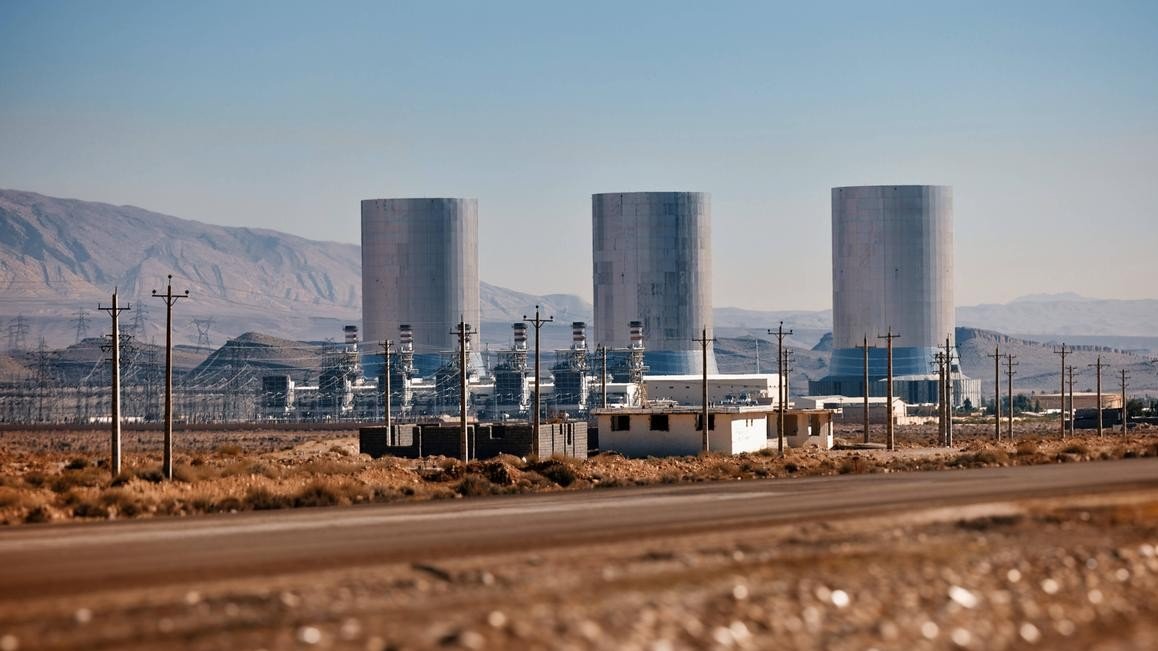
Iran announced on June 16 that efforts to connect its electricity grid with Qatar are in their "final stage." The development marks a significant step toward enhanced energy cooperation between the two Gulf nations, potentially reshaping regional energy dynamics. The announcement, made by Iranian Energy Minister Abbas Aliabadi, notes a concerted effort to deepen bilateral ties amidst a complex geopolitical landscape.
Iran's Energy Minister, Abbas Aliabadi, stated that "studies are in the final stage, and we are beginning the implementation phase." Mr. Aliabadi further elaborated that his ministry had been "studying" the project. He anticipated the grid connection would be completed "in the near future," indicating progress on the initiative. The declaration shows the advanced state of preparations, moving beyond preliminary discussions to the cusp of tangible infrastructure development. This project is seen as a strategic move for both nations, aiming to bolster energy security and foster greater economic interdependence.
Project Details and History
Iranian Energy Minister Abbas Aliabadi stated on Tuesday that the connection between Iran and Qatar "will begin soon." Mr. Aliabadi further elaborated that "studies are in the final stage, and we are beginning the implementation phase." He indicated his ministry had been "studying" the project, anticipating completion "in the near future." This initiative is designed to enable the transfer of up to 1,000 megawatts (MW) of electricity between the two nations, a substantial capacity that could significantly impact energy supply and demand in the region. The transfer of such a considerable amount of electricity notes the scale and ambition of the joint venture.
The agreement for this power transfer builds upon a prior understanding between the countries. Iran and Qatar had previously signed an electricity memorandum of understanding (MoU) during the administration of the late Iranian president Ebrahim Raisi. This MoU laid the groundwork for the current efforts to establish the grid connection, setting the stage for the technical and logistical planning that has since taken place. The project aims to enhance energy cooperation and potentially provide a new source of electricity for Qatar, particularly during peak demand periods. For Qatar, diversifying its energy sources and ensuring a stable supply is key, especially as its economy continues to grow. For Iran, the connection offers an opportunity to export surplus electricity and strengthen its regional influence. The technical and logistical aspects of connecting the two national grids involve significant infrastructure development and coordination, including the laying of undersea cables and the synchronization of grid operations to ensure stability and efficiency. Such an undertaking requires substantial investment and close collaboration between the two countries' energy ministries and national power companies.
Talks on the electricity grid connection between Tehran and Doha took place in December 2023, indicating a sustained period of negotiation and planning leading up to the current announcement. These discussions were key in ironing out the technical specifications, financial arrangements, and operational protocols necessary for such a complex cross-border energy project. The December 2023 talks show the long-term commitment of both governments to see this energy partnership come to fruition.
Qatar Denies Secret Energy Deal
Talks regarding the electricity grid connection between Tehran and Doha occurred in December 2023. However, on June 12, Qatar denied a Washington Post report suggesting it had made a "secret" deal with Iran to prevent further retaliatory strikes. The denial came swiftly and firmly, aiming to dispel any notions of clandestine agreements that could compromise Qatar's international standing or its stated neutrality in regional conflicts. Qatar's International Media Office issued a statement, asserting, "Any suggestion that operational decisions relating to energy production were – or have ever been – made in coordination with Iran, for Iran’s benefit, or to influence the course of the conflict is entirely unfounded." This statement sought to clarify Qatar's position and refute the allegations made in the report, emphasizing that its energy production decisions are made independently and are not influenced by external pressures or agreements with Iran related to military actions.
The Washington Post report cited unnamed western and regional officials who claimed Qatar approached Iran at the beginning of the war, after a significant Iranian strike on the key Ras Laffan energy facility. The report suggested that Qatar, concerned about the potential for further damage to its vital energy infrastructure, sought an arrangement to protect its assets. According to the report, Qatar proposed that Iran would refrain from targeting Ras Laffan, and in return, Qatar would unilaterally cease gas production. This alleged proposal, if true, would represent a highly unusual and sensitive diplomatic maneuver, directly linking energy policy to regional security concerns. Following the Iranian strike on Ras Laffan, Doha stated that the attack resulted in $20 billion in losses and eliminated 17 percent of the Gulf state’s gas export capacity. This significant economic impact shows the critical importance of the Ras Laffan facility to Qatar's economy and its global energy exports, providing context for any alleged efforts to protect it from further aggression. The substantial financial and capacity losses highlight the severe consequences of such attacks on key energy infrastructure.
Broader Regional Context
Tehran is also "studying" power grid connections with other Gulf countries, according to Tasnim News Agency, indicating a broader regional energy strategy. This suggests that the connection with Qatar may be part of a larger plan by Iran to integrate its energy infrastructure with its Gulf neighbors, potentially creating a more interconnected regional power network. Such a strategy could have broad implications for energy security and economic cooperation across the Gulf. This broader initiative notes Iran's ambition to become a key player in regional energy trade, leveraging its geographical position and energy resources.
Iran has previously stated during the ongoing conflict that many attacks in the Gulf region were "false-flags" orchestrated by Israel, aiming to escalate tensions. This narrative from Tehran adds another layer of complexity to the regional security environment, suggesting a deliberate attempt by external actors to destabilize the area. These claims are part of a wider information war accompanying the direct military and economic tensions in the Gulf. Political commentator Tucker Carlson reported in early March that Qatar and Saudi Arabia had detained Mossad agents who were allegedly planning bombings, adding to the complex regional security narrative. This report, if substantiated, would further complicate the already volatile security situation in the Gulf, pointing to covert operations and intelligence activities by various state and non-state actors.
Meanwhile, a Bloomberg report indicated Qatar's plans to rapidly increase its liquefied natural gas (LNG) production once the Strait of Hormuz reopens. The report suggests Qatar aims to restore up to 80 percent of its export volume within two months after such an event. This ambitious plan shows Qatar's strategic importance as a major global LNG supplier and its determination to maintain its market share, even in the face of regional instabilities. The Strait of Hormuz is a critical chokepoint for global energy shipments, and any disruptions there have significant international repercussions. Qatar's readiness to quickly resume and even ramp up production notes its resilience and its central role in global energy markets. The ability to rapidly increase LNG output is a testament to Qatar's strong energy infrastructure and its strategic planning for various geopolitical scenarios, ensuring its continued influence in the global energy landscape.