From the archive
Macron Invites Saudi, Qatari Leaders to G7 Summit Amid Middle East Tensions
French President Macron invites Saudi and Qatari leaders to the G7 summit to discuss Middle East tensions and secure maritime traffic.
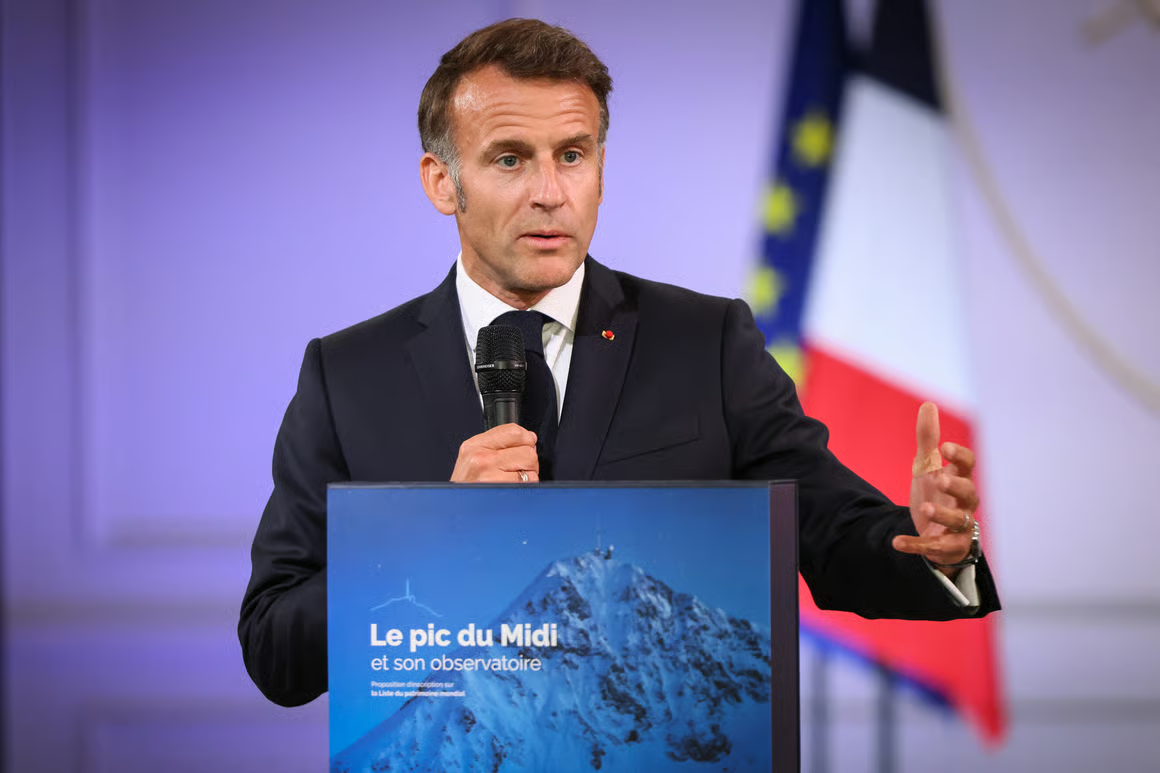
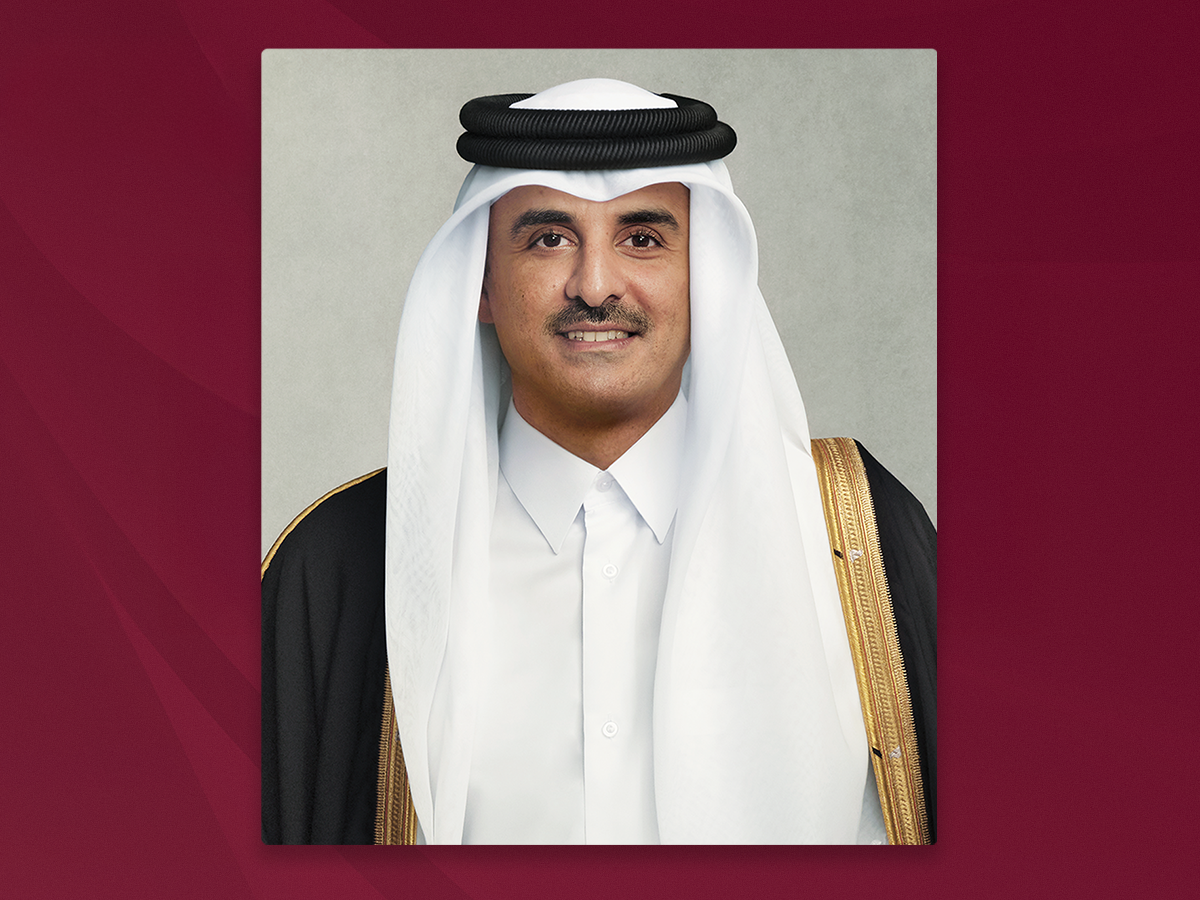
French President Emmanuel Macron has invited Saudi Crown Prince Mohammed bin Salman and Qatari Emir Tamim bin Hamad Al Thani to next week’s G7 leaders’ summit, according to two government officials and two individuals from the private sector briefed on the plans. The G7 leaders are scheduled to convene at the lakeside resort of Evian-les-Bains in France. The invitations extend to Middle Eastern leaders amid ongoing tensions in the region, signaling a concerted effort to address the volatile security landscape. This high-level diplomatic engagement shows the G7 nations' commitment to fostering stability and seeking resolutions to pressing regional challenges. The inclusion of key Middle Eastern figures is seen as key for full discussions on peace and security.
Regional Security Concerns
Renewed strikes between Israel and Iran have fueled fears of renewed hostilities in the Middle East. The escalating situation follows a period where Iran effectively blocked the Strait of Hormuz, a critical global shipping lane. This blockage has been in place since the United States and Israel launched strikes against Iran earlier in February, exacerbating regional instability and impacting international commerce. Separately, U.S. President Donald Trump has vowed to respond to Tehran’s shooting down of an American helicopter, adding another layer of complexity to the already tense situation. These events contribute to a complex security landscape in the region, prompting international attention and concern over potential further escalation.
The invitations to Saudi and Qatari leaders come as global powers closely monitor the potential for further escalation, particularly concerning maritime routes and broader regional stability. The G7 summit provides a key platform for discussions on these pressing security issues, with the aim of seeking diplomatic resolutions and de-escalation strategies. Leaders will likely explore avenues for ensuring the free flow of maritime traffic through vital waterways like the Strait of Hormuz, which is indispensable for global energy supplies and trade. The gathering also offers an opportunity for a coordinated international response to the challenges posed by the ongoing conflicts and heightened tensions in the Middle East.
Diplomatic Engagement and Strategy
The two Gulf leaders, Saudi Crown Prince Mohammed bin Salman and Qatari Emir Tamim bin Hamad Al Thani, were asked to join talks next Tuesday. These discussions aim to secure and reopen the Strait of Hormuz to maritime traffic, a critical global shipping lane through which a significant portion of the world's oil supply passes. The focus on this strategic waterway notes its economic and geopolitical importance, as its closure or disruption could have broad consequences for the global economy. U.S. President Donald Trump stated earlier on Tuesday that a deal to end the conflict was "within reach," a comment that suggests progress in ongoing efforts to de-escalate tensions in the region and find a diplomatic pathway forward. This statement offers a glimmer of hope amidst the prevailing anxieties regarding regional stability.
Egyptian President Abdel Fattah El-Sisi will also participate in the talks as a partner nation of this year’s G7 summit. His inclusion broadens the regional representation at the high-level diplomatic gathering, ensuring a wider perspective on the Middle East's complex issues. The presence of President El-Sisi, a key regional player, is expected to enrich the discussions and contribute to a more holistic approach to conflict resolution and regional security. The Trump administration has repeatedly criticized European nations for what it perceives as insufficient support for the U.S. War effort. Washington has also expressed concerns that European allies have not done enough to help protect the Strait of Hormuz once fighting subsides, according to administration statements, emphasizing the need for greater international cooperation and burden-sharing in maintaining regional security. These criticisms show the U.S. Call for its allies to take a more active role in safeguarding critical maritime passages and contributing to the overall stability of the Middle East.
International Cooperation and Support
Qatari Emir Tamim bin Hamad Al Thani has accepted the invitation to attend the G7 leaders’ summit, confirming Qatar's commitment to engaging in high-level diplomatic efforts aimed at resolving regional crises. It remains unclear whether Saudi Crown Prince Mohammed bin Salman will also participate in the discussions, leaving an element of uncertainty regarding the full extent of regional representation. France and the U.K. Are actively leading initiatives to establish a maritime mission dedicated to safeguarding the Strait of Hormuz once the current conflict concludes. This effort shows a broader international push to ensure the security of the critical shipping lane and prevent future disruptions. The proposed maritime mission is viewed as a key component of a full strategy to maintain stability in the Gulf region and protect vital global trade routes. The participation of key regional leaders and the focus on maritime security reflect the urgency of addressing ongoing tensions in the Middle East and the international community's determination to find lasting solutions.