From the archive
Qatar Accused of Secret Deal with Iran Over Energy Facilities During War
Qatar faces allegations of a secret wartime deal with Iran to protect its vital energy facilities, including the Las Rapan LNG hub.
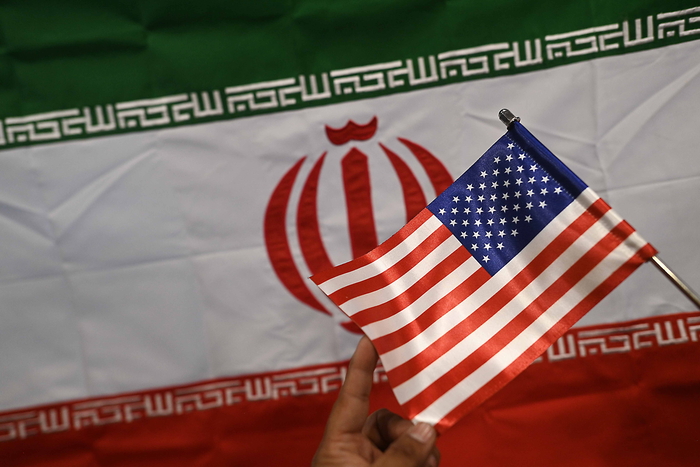
Qatar is facing allegations of attempting a covert deal with Iran in the early days of the war, which began in late February. These allegations suggest a clandestine effort to safeguard Qatar's vital energy infrastructure amidst regional hostilities. The alleged deal sought to protect Qatar's core energy facilities from Iranian attacks, particularly focusing on its key liquefied natural gas (LNG) production hub. According to reports, Qatar delivered a proposal to Iran stating it would "stop gas production on its own if it does not attack the Las Rapan LNG production facility." This proposal indicates a potential quid pro quo arrangement aimed at averting direct military engagement with its energy assets. Las Rapan, located in Qatar, is recognized as the world's largest LNG production hub, responsible for approximately a fifth of global gas supplies. Its immense capacity shows its strategic importance to both Qatar and the international energy market.
On the third day of the conflict, Qatar abruptly suspended operations at its Las Rapan facility, a move that drew significant attention and speculation. This suspension occurred early in the war, raising questions about its timing and underlying motivations. Later, on March 18, Iran fired missiles at Rasrapan, marking a significant escalation in the conflict's impact on energy infrastructure. That missile attack was reportedly in retaliation for Israeli airstrikes that hit Iran's largest gas field, South Fars, linking the incident to broader regional tensions and retaliatory actions. The sequence of these events, from Qatar's proposal to the facility's suspension and subsequent missile attack, forms the basis of the allegations.
Alleged Covert Proposal to Iran
Middle East security officials believe Qatar sent a message to Iran stating that "the desired strategic effect can be achieved without attacking us." This communication, according to these officials, aimed to convey Qatar's willingness to take actions that would satisfy certain strategic objectives without necessitating a direct assault on its facilities. These contacts were reportedly captured through information analysis, including communication interception, providing a basis for the claims of a covert dialogue. Such intelligence gathering methods suggest a close monitoring of communications between the two nations during the early stages of the conflict. Iran is said to have not given a clear answer to Qatar's proposal regarding its energy facilities, leaving the exact nature of its response ambiguous.
Following the suspension, Qatar described the cessation of operations at its Las Rapan facility as a "measure based on the risk of military attack." This official explanation positioned the decision as a precautionary step taken in response to perceived threats, rather than as part of any secret arrangement. The Qatari government, in response to inquiries from The Washington Post, countered the allegations, stating, "The suspension of the operation of Las Rapan is entirely for facility safety and manpower protection." This statement emphasized the safety of its personnel and infrastructure as the primary drivers behind the decision. The Qatari government explicitly stated that "It is absolutely not true that the decision was made in collusion with Iran to benefit Iran or to affect the flow of war," directly refuting the core accusation of a secret deal. These denials show Qatar's effort to maintain its neutrality and commitment to international norms amidst the conflict.
The allegations concerning a covert deal with Iran have been a point of contention, with Qatar firmly denying any wrongdoing. The claim that Qatar offered to halt gas production in exchange for protection from Iranian attacks suggests a complex interplay of regional diplomacy and energy politics. The fact that Las Rapan accounts for a significant portion of global LNG supplies notes the potential global ramifications of any disruption to its operations. The reported communication interception adds a layer of credibility to the allegations from the perspective of security officials, even as Qatar maintains its innocence. The absence of a clear response from Iran to Qatar's alleged proposal leaves room for interpretation regarding their intentions and understanding of the situation.
Facility Attack and Market Impact
Despite Qatar's stated precautionary measures and denials of collusion, the region's energy infrastructure ultimately faced direct impact. Damage occurred to some facilities, and the events subsequently shocked the international energy market. The missile attack on Rasrapan on March 18 contributed to this disruption, raising concerns about the stability of energy supplies from the region. The extent of the damage was not immediately clear in the aftermath of the attack, but its impact reverberated through global energy supplies, leading to market volatility. The disruption to operations at critical energy infrastructure, following the missile attack on March 18, showed vulnerabilities in the region's energy network and noted the potential for geopolitical conflicts to directly affect global commodities.
The implications of the damage were substantial, with Qatar stating that it would take "three to five years" to recover from the damage. This projected recovery timeline indicated a significant setback for the country's energy production capabilities, suggesting that the damage was not superficial. The declaration from Qatar noted the severity of the damage sustained by the facilities and suggested a prolonged period before full operational capacity could be restored. Such a lengthy recovery period could have lasting implications for global liquefied natural gas (LNG) supplies, given Qatar's substantial role as a major producer. The market shock was a direct consequence of the physical damage and the uncertainty surrounding the future of Qatari energy exports.
The sustained impact on the global energy market stemming from the damage to these facilities shows the interconnectedness of regional conflicts and global economic stability. The initial suspension of operations at Las Rapan, followed by the missile attack and subsequent damage, created a ripple effect that extended far beyond the immediate geographical area. The severity of the damage, as indicated by Qatar's recovery timeline, suggested that the incident was more than a minor disruption, potentially affecting long-term supply forecasts. The global energy market, already sensitive to geopolitical tensions, reacted sharply to these developments, reflecting the critical role of Qatari energy exports in maintaining global supply balances.
Qatar's Defense and Geopolitical Role
Amidst the allegations and the physical damage to facilities, The Washington Post (WP) analyzed satellite images of the Las Rapan facility and reported finding no direct signs of damage. This finding emerged amid claims of a missile attack on the facility on March 18, presenting a discrepancy between the reported physical impact and visual evidence. The WP's analysis adds another layer of complexity to the narrative surrounding the events, raising questions about the precise nature and extent of the damage. This independent assessment provides a counterpoint to the claims of severe damage and the long recovery timeline announced by Qatar, prompting further scrutiny of the situation.
The Qatari government vigorously argued that the allegations concerning a secret deal with Iran were an attempt to undermine its country's previous mediation efforts. Qatar has historically positioned itself as a mediator in regional conflicts, and these allegations, from its perspective, could jeopardize its diplomatic standing. Qatar contended that these allegations sought to undermine its strategic cooperation with the United States, a key partnership for both nations. A Qatari government statement previously asserted, "It is absolutely not true that the decision was made in collusion with Iran to benefit Iran or to affect the flow of war," reiterating its firm denial of any illicit agreement. These defenses highlight Qatar's efforts to protect its international reputation and its role in regional diplomacy.
U.S. Officials were aware of Qatar's contact with Iran regarding the energy facilities, indicating that such communications were not entirely clandestine from the perspective of its allies. This awareness suggests a level of transparency or at least knowledge within U.S. Intelligence circles regarding Qatar's engagement with Iran. Qatar has been described as contributing to the progress of end-of-war negotiations by maintaining close ties with both the United States and Iran. This dual engagement positioned Qatar as a potential intermediary in the ongoing conflict, leveraging its unique diplomatic relationships. The ability of Qatar to engage with both sides of the conflict shows its strategic geopolitical importance and its potential to facilitate dialogue, even amidst accusations of covert dealings. Its role as a bridge between the United States and Iran is seen as a factor contributing to de-escalation efforts and the pursuit of a peaceful resolution to regional tensions.