From the archive
Qatar and Pakistan PMs Discuss Regional Peace Efforts and US-Iran Accord
Qatar and Pakistan PMs discussed regional peace efforts and Pakistan's mediation for a US-Iran accord during a recent call.
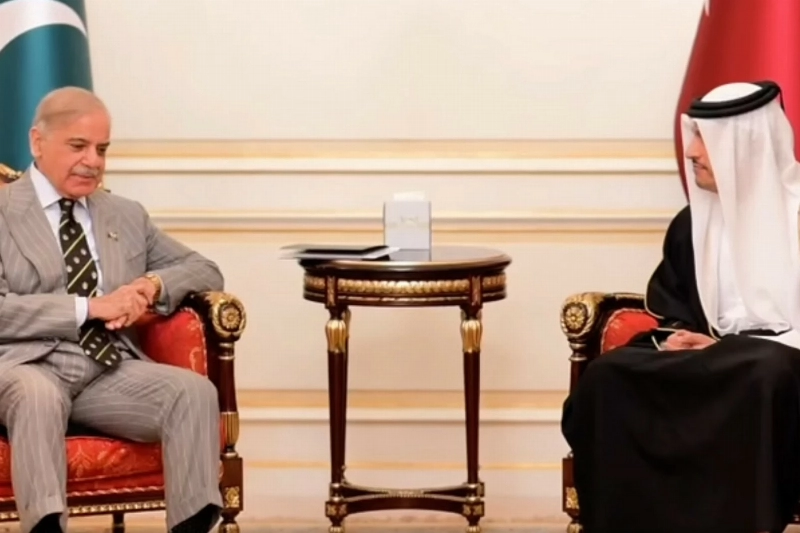
Sheikh Mohammed Bin Abdulrahman Bin Jassim Al Thani, Prime Minister and Minister of Foreign Affairs of Qatar, discussed regional developments with Pakistan's Prime Minister Muhammad Shehbaz Sharif on Saturday. The two leaders held a telephone call to address the latest situation in the region, focusing on ongoing efforts to foster peace and stability. During their conversation, the Prime Ministers also thoroughly reviewed the cooperative relations between Qatar and Pakistan, exploring various avenues to support and enhance these ties.
Bilateral Ties and Mediation Focus
Sheikh Mohammed Bin Abdulrahman Bin Jassim Al Thani and Muhammad Shehbaz Sharif engaged in a full discussion about the latest regional developments, which included a particular focus on Pakistan's mediation efforts aimed at de-escalation. Their conversation also centered on the cooperative relations between Qatar and Pakistan, with both leaders taking the opportunity to review existing ties. They explored concrete ways to support and enhance these relations further, covering various aspects of bilateral cooperation. The discussion showed the mutual desire to strengthen the relationship between the two nations, aiming for deeper engagement across multiple sectors. Both Prime Ministers reiterated their unwavering commitment to fostering stability in the region through diplomatic channels and strong bilateral engagement, emphasizing the importance of continued dialogue in addressing shared challenges. The telephone call served as an important platform for both leaders to align their perspectives on critical regional issues and reaffirm their nations' partnership.
US-Iran Peace Agreement Progress
Qatar's Prime Minister, Sheikh Mohammed Bin Abdulrahman Bin Jassim Al Thani, conveyed his satisfaction with the significant advancements made in negotiations regarding the US-Iran peace agreement. He specifically noted Pakistan's announcement that a final text for the accord had been successfully reached, marking a key step forward in the diplomatic process. The Prime Minister expressed optimism and hope that both the American and Iranian sides would promptly sign the agreement, thereby solidifying the progress achieved through intensive diplomatic efforts. This hopeful outlook shows the international community's desire for a peaceful resolution to long-standing tensions.
Qatar also reiterated its full support for Pakistan's ongoing mediation efforts. These efforts are specifically aimed at resolving the crisis between the United States and Iran through peaceful means, demonstrating a shared commitment to de-escalation and dialogue. The Qatari Prime Minister's remarks show the diplomatic momentum and the collaborative approach taken by regional actors to foster stability and prevent further escalation. The statement from Doha noted the critical importance of a diplomatic resolution to the complex situation, emphasizing the indispensable role of continued dialogue and negotiation in achieving lasting peace. This support reinforces the collaborative spirit necessary for navigating intricate geopolitical challenges.
Qatar's Support for Regional Stability
Qatar emphasized the necessity for all involved parties to engage constructively with ongoing peace efforts. This engagement is deemed key to establishing favorable and conducive conditions for a full agreement, which aims to secure sustainable peace across the region. The Qatari Prime Minister stressed the imperative for all parties to respond positively to these efforts, recognizing that such responsiveness is vital for creating an environment where a lasting resolution can be forged. This collective engagement is seen as the cornerstone for achieving a stable and peaceful regional landscape, benefiting all nations involved. The diplomatic efforts, spearheaded by countries like Pakistan and supported by Qatar, aim to lay the groundwork for a future characterized by cooperation rather than conflict.