From the archive
Qatar Condemns Barakah Nuclear Plant Attack as Violation of International Law
Qatar condemns the drone attack on the UAE's Barakah Nuclear Power Plant, calling it a violation of international law and nuclear safety principles.
The State of Qatar has reiterated its strong condemnation of an attack targeting the Barakah Nuclear Power Plant in the United Arab Emirates. This condemnation shows Qatar's firm commitment to regional stability and adherence to international legal norms. The attack was reportedly carried out by armed factions from Iraq using drones. Qatar reaffirmed its full solidarity with the government and people of the UAE following the incident, emphasizing the importance of collective security in the Gulf region.
IAEA Session Details
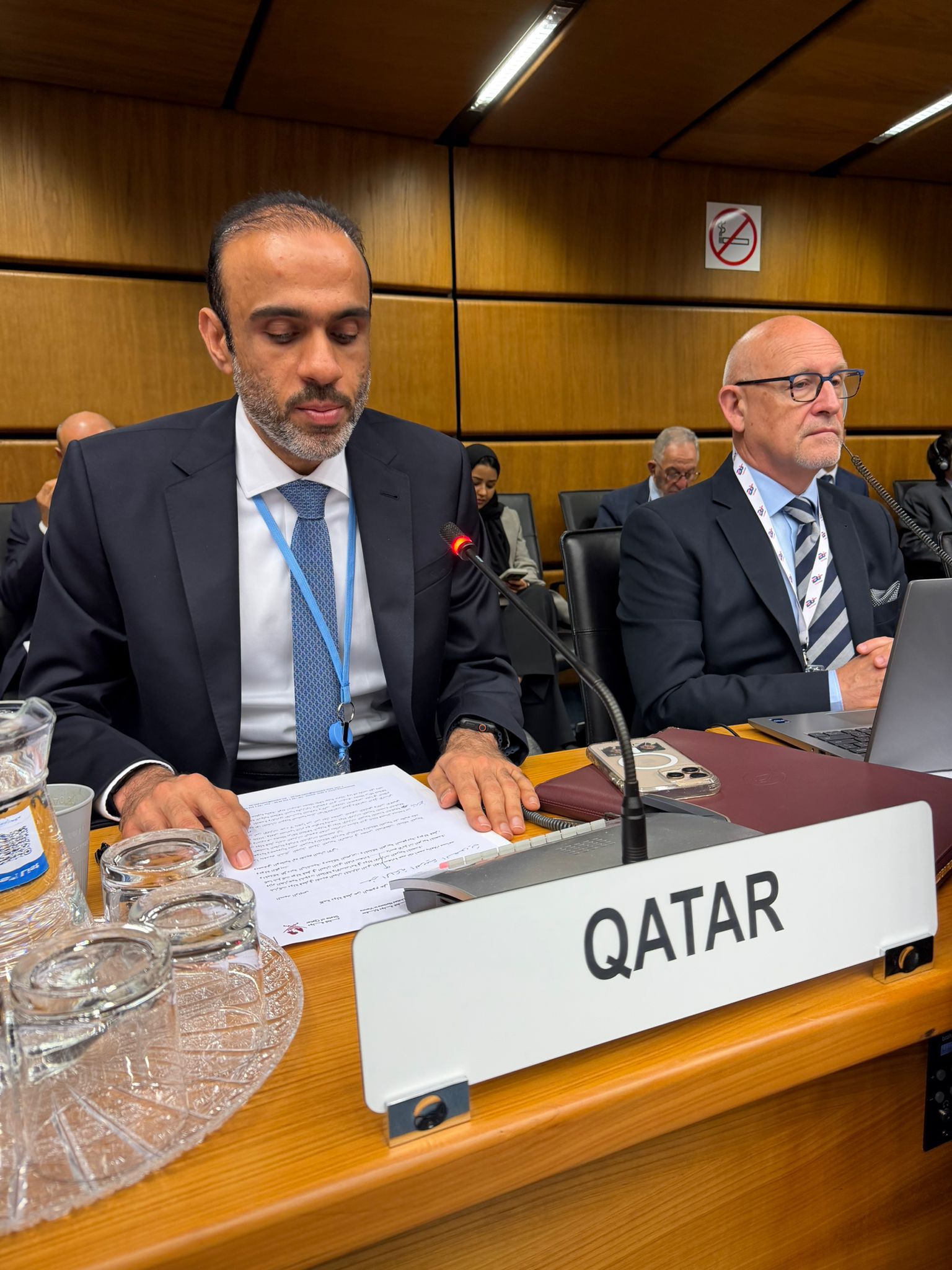
The State of Qatar's position was outlined by HE Jassim Yaqoub Al Hammadi, the Ambassador to Austria and Permanent Representative to the United Nations Office and other international organizations in Vienna. This statement was delivered during an emergency session of the Board of Governors of the International Atomic Energy Agency (IAEA), which was convened at the request of several Arab member states. The urgency of the session noted the global concern surrounding attacks on critical civilian infrastructure, particularly nuclear facilities. Qatar participated in a joint statement delivered by the UAE's Assistant Minister of Foreign Affairs for Energy and Sustainability, representing the United Arab Emirates, Jordan, Bahrain, Saudi Arabia, Kuwait, and Qatar. This joint declaration showed a unified regional stance against such provocative acts. Qatar was also involved in another statement presented during the meeting, further elaborating on its commitment to nuclear safety and international law.
Ambassador Al Hammadi expressed appreciation to the Arab members of the Board of Governors, specifically Saudi Arabia, Egypt, Jordan, and Morocco, for their initiative in requesting the emergency session. The IAEA has responded swiftly to the incident, monitoring developments, assessing the impact of the attack, and supporting emergency preparedness and response efforts. These actions reflect the agency's mandate to ensure the peaceful use of nuclear energy and to mitigate risks. IAEA Director General Rafael Grossi has maintained his focus on nuclear safety and security issues following the event, noting the critical nature of protecting nuclear facilities from any form of aggression.
Qatar's Stance and Rationale
Qatar described the attack on the Barakah Nuclear Power Plant as a violation of international law, international humanitarian law, and the fundamental principles of nuclear safety and security. The State of Qatar asserts that targeting peaceful nuclear facilities constitutes a direct violation of international law, the United Nations Charter, and the principles of nuclear safety and security enshrined in the IAEA Statute and its relevant resolutions. This position shows the critical importance of safeguarding civilian infrastructure, particularly those with potential widespread impact, in accordance with established international norms. Such facilities are designed for peaceful purposes and their integrity must be protected.
Qatar affirmed that the security of the United Arab Emirates is considered an integral part of the security of the Gulf Cooperation Council (GCC) states and the wider region. This emphasizes a broader regional security perspective, linking the stability of individual member states to the collective security framework of the GCC. The statement notes a shared commitment to regional stability and the protection of critical infrastructure, recognizing that an attack on one member state has implications for the entire region. The collective security of the GCC necessitates a unified response to threats against any of its members.
Broader Implications and Solutions
Attacks targeting operational nuclear facilities pose significant risks to civilians, the environment, and both regional and international security, according to Qatar. Such incidents could potentially result in widespread radiological consequences, impacting vast areas and populations far beyond the immediate vicinity of the attack. The protection of civilian nuclear infrastructure represents a well-established international principle that must be respected without exception, Qatar affirmed. Safeguarding these facilities is not solely a national responsibility but also a collective obligation of the international community, requiring concerted efforts to prevent and deter such attacks. Ambassador Jassim Yaqoub Al Hammadi stated, "dialogue, diplomacy, and adherence to international law, the principles and objectives of the United Nations Charter, and relevant international resolutions remain the only sustainable path toward achieving lasting peace and stability in the region and addressing the root causes of crises." Qatar emphasized that dialogue, diplomacy, and adherence to international law, the principles and objectives of the United Nations Charter, and relevant international resolutions are the sole sustainable path toward achieving lasting peace and stability in the region, advocating for peaceful resolution over escalatory actions.