From the archive
Qatar Condemns 'Violation of International Law' After UAE Ship Attack
Qatar condemns a reported drone attack on a UAE-linked tanker in the Strait of Hormuz as a violation of international law.
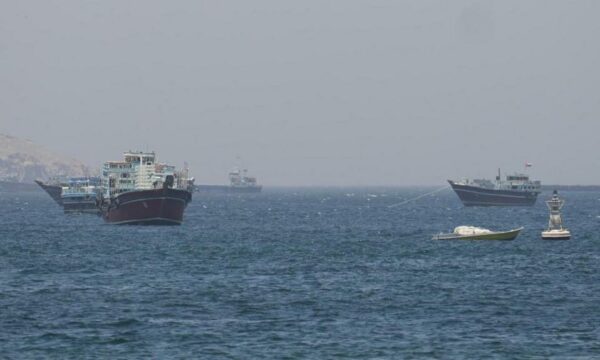
Qatar has condemned an attack on a tanker linked to Adnoc, which occurred 78 nautical miles north of Fujairah at 19:40 UTC on May 3. The vessel was reportedly hit by suspected drones in the Strait of Hormuz. Qatar's foreign ministry called the attack "a flagrant violation of international law and the principle of freedom of navigation." The United Arab Emirates continues to report missile attacks, and reports indicated this incident marks the third attack on a commercial vessel in the region within a 24-hour period. This particular incident, involving the tanker linked to Adnoc, adds to a concerning pattern of maritime security challenges in the vital shipping lanes of the Gulf. The condemnation from Qatar shows the escalating tensions and the potential impact on international trade and regional stability.
Details of the UAE Incident
The Panama-flagged general cargo ship HMM Namu, built in 2026, was struck by an object while at anchor off Umm Al Quwain, United Arab Emirates. The incident, which caused an explosion on the port side near the engine room, involved the 38,000 dwt vessel. Security sources indicated the explosion's source was either an unmanned surface vessel (USV) or a drifting sea mine. All 24 crew members aboard the HMM Namu are reported to be safe following the strike. The crew includes six South Korean nationals and 18 seafarers of other nationalities. No environmental damage has been reported as a result of the incident. A distress signal was sent at 11:40 UTC by a nearby vessel, and reports indicated that coalition forces were on the scene. No Iranian official has yet confirmed the attacks, according to reports. The strike on the HMM Namu notes the varied nature of threats present in the region's waters, ranging from suspected drone attacks to potential sea mines or USVs. The immediate response from coalition forces following the distress signal shows the international community's concern for maritime safety in these critical waterways. The fact that all crew members were reported safe is a relief, yet the incident itself points to significant risks faced by commercial shipping.
The HMM Namu, a relatively new vessel built in 2026, sustained damage to its port side near the engine room, indicating a direct hit that could have had more severe consequences. The specific location of the incident, off Umm Al Quwain, United Arab Emirates, places it within a broader area experiencing increased maritime security incidents. The ongoing investigations by security sources to determine whether an unmanned surface vessel or a drifting sea mine was responsible for the explosion reflect the complexity of identifying the perpetrators and the methods used in these attacks. The presence of coalition forces on the scene following the distress signal further emphasizes the international monitoring and response efforts in the Gulf. This incident, alongside others, contributes to the growing concern among shipping companies and international bodies regarding the safety of navigation.
Broader Regional Tensions
A bulker was attacked by multiple small vessels 11 nautical miles west of Sirik in Iran at 11:30 UTC on May 3, according to reports. The incident occurred while the vessel was northbound, approaching the Strait of Hormuz. Iran announced a new maritime control zone in the Strait of Hormuz on May 4. This declaration expands Tehran's control over a critical international shipping lane. This attack on a bulker by multiple small vessels near Sirik, while the ship was heading towards the Strait of Hormuz, illustrates another dimension of the security challenges in the area. Such incidents, involving multiple assailants, can be particularly difficult for commercial vessels to defend against. The timing of this attack, just hours before the Adnoc-linked tanker incident, points to a concentrated period of instability in the region's waters.
Recent reports also indicate warnings issued to vessels anchored off Ras Al-Khaimah, United Arab Emirates, over the weekend, instructing them to relocate from their anchorages. The directives suggest heightened security concerns in the waters near the UAE coast. These warnings, issued by authorities in the United Arab Emirates, signal a proactive measure to mitigate potential risks to shipping. The call for vessels to move from their anchorages off Ras Al-Khaimah indicates a specific and credible threat assessment by local authorities, prompting precautionary actions. Such directives can cause operational disruptions for shipping companies but are deemed necessary in an environment of elevated security risks.
These developments occur amidst ongoing regional tensions affecting maritime navigation. Qatar has called for the unconditional reopening of the Strait of Hormuz, emphasizing the importance of unimpeded passage through the vital waterway. The call from Doha shows the broader regional concerns regarding freedom of navigation and the stability of shipping routes in the Gulf. The series of incidents points to an escalating security environment in the strategically important region. The Strait of Hormuz, a narrow passage connecting the Persian Gulf with the Arabian Sea and the open ocean, is particularly sensitive due to its role as a chokepoint for a significant portion of the world's oil supply. Iran's declaration of a new maritime control zone in this strait on May 4 further complicates the already precarious situation, raising questions about international law and the principle of freedom of navigation.
International Law and Navigation
The latest warning from the United Arab Emirates was issued at 19:49 local time (16:49 BST). This directive adds to a series of alerts for vessels operating in the waters near the UAE coast, reflecting heightened security concerns. The warnings have specifically instructed ships anchored off Ras Al-Khaimah to relocate, indicating a proactive measure to address potential threats in the region. The precision of the warning, noting its issuance time, notes the urgency with which authorities are responding to the evolving security landscape. These advisories are critical for ensuring the safety of maritime personnel and assets, even as they show the persistent dangers.
The ongoing incidents, including the attack on a tanker linked to Adnoc and the strike on the Panama-flagged HMM Namu, highlight persistent challenges to international law and the principle of freedom of navigation. Qatar previously condemned the attack near Fujairah as "a flagrant violation of international law and the principle of freedom of navigation," showing the broader regional concerns. This condemnation follows multiple incidents, including a bulker attacked near Sirik in Iran and the HMM Namu being struck off Umm Al Quwain. The consistent messaging from Qatar regarding violations of international law reflects a shared regional and global concern about the sanctity of maritime passage.
The series of events, coupled with Iran's declaration of a new maritime control zone in the Strait of Hormuz, has intensified calls for the protection of international shipping routes. Qatar has repeatedly called for the unconditional reopening of the Strait of Hormuz, emphasizing the importance of unimpeded passage through the vital waterway. These developments collectively point to an escalating security environment in the strategically important Gulf region, where maritime commerce is key. The cumulative effect of these attacks and declarations is a significant increase in risk for all vessels transiting the area, impacting global supply chains and energy markets. The international community continues to monitor the situation closely, with calls for de-escalation and adherence to established maritime laws becoming more urgent. The need to protect freedom of navigation is critical, given the economic and geopolitical importance of the Gulf's shipping lanes.