From the archive
Qatar Connects Series Notes Local Production as Key to Economic Future
Qatar Connects series highlights local production as vital for economic independence and resilience, aligning with Qatar National Vision 2030.
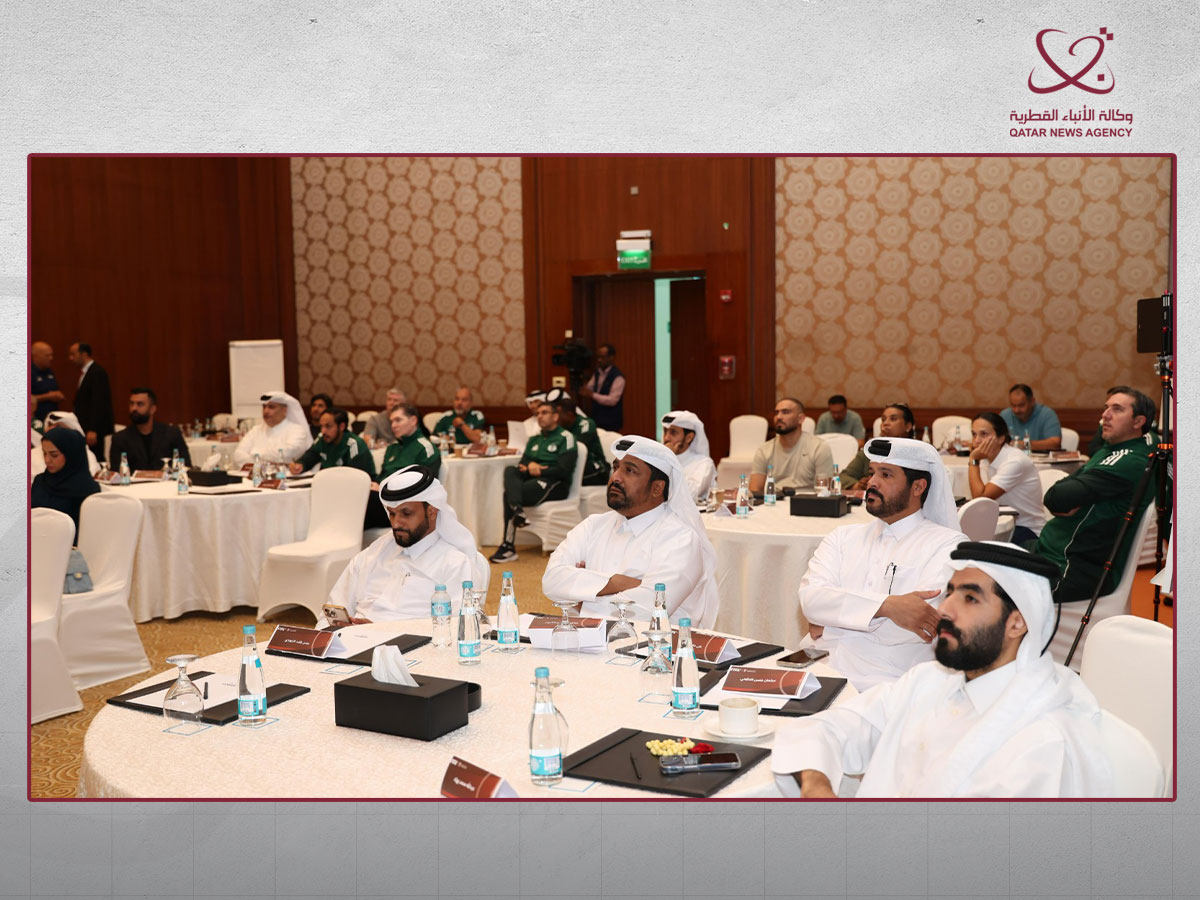
The QatarDebate Center, founded by Qatar Foundation, concluded a high-level panel discussion on local production on Tuesday, June 9, 2026. The session, moderated by Mohammed Al Hamadi, aimed to strengthen the resilience of the national economy. Insights from the discussion sought to align with the goals of Qatar National Vision 2030, emphasizing the importance of local production for future economic stability. The panel discussion, a significant event in the Qatar Connects Series, brought together a diverse group of participants to deliberate on key aspects of national economic development and self-sufficiency. This particular session showed the nation's commitment to fostering a strong domestic production sector.
Panelists Explore Production Ecosystem
The panel discussion featured entrepreneurs, local producers, and various stakeholders from Qatar’s production ecosystem. These participants represented a broad spectrum of industries and perspectives, contributing to a full dialogue on the state and future of local manufacturing and enterprise. Speakers at the event meticulously examined six specific dimensions related to local production. These dimensions included local production priorities, which explored what sectors and goods should be prioritized for domestic development; the readiness of the ecosystem, assessing the current infrastructure, technology, and human capital available; individual and home-based production, recognizing the growing contribution of smaller-scale and artisanal enterprises; challenges encountered behind the scenes, delving into the practical hurdles faced by producers; government support initiatives, analyzing existing and potential programs to aid local businesses; and future opportunities available within the sector, identifying areas for growth and innovation. The full nature of these discussions allowed for a multi-faceted analysis of Qatar's production landscape.
Fatma Ali Al-Khater addressed specific challenges confronting local agriculture, such as water resources and prevailing climate conditions in Qatar. Her insights noted the necessity of innovative solutions and sustainable practices to overcome environmental limitations and boost agricultural output. The discussion further noted that local production in Qatar has developed into a unified national direction, driven by both entrepreneurs and established institutions. This unified approach signifies a concerted effort across various levels of society and economy to prioritize and expand domestic capabilities. The engagement of both emerging businesses and established entities shows a collective national commitment to economic diversification and resilience.
Strengthening National Resilience
Discussions during the Qatar Connects Series focused intently on exploring challenges within the local production sector and identifying opportunities to build a more independent and resilient Qatari economy. This approach aims to significantly reduce reliance on external markets and enhance self-sufficiency across critical sectors. The initiative aligns with broader national strategies to diversify the economy and strengthen domestic capabilities, moving away from a primary dependence on hydrocarbon revenues towards a knowledge-based, diversified economic model. The emphasis on local production is seen as a cornerstone of this long-term vision, providing stability and fostering innovation within the country. The insights generated from these discussions are intended to inform policy-making and strategic planning, guiding Qatar towards greater economic autonomy.
QatarDebate Center, the organizer of the series, plays a central role in fostering dialogue on critical national issues. The organization was established in 2008 and serves as the national debating organization for Qatar. Its mandate includes promoting critical thinking and communication skills among youth and professionals, often through events that address contemporary societal and economic topics. By hosting platforms like the Qatar Connects Series, QatarDebate Center facilitates meaningful exchanges that contribute directly to national development objectives. The center's long-standing presence in the educational and public discourse landscape shows its commitment to national development objectives, ensuring that important conversations about Qatar's future are accessible and engaging for a wide audience. Its role extends beyond academic discourse, actively shaping public understanding and engagement with national priorities.
Voices on Support and Opportunity
The panel discussion was anchored around the theme, “Beyond Imports: Will Local Production Lead Qatar’s Future?” This central question guided the exploration of strategies aimed at fostering self-reliance and economic independence within the nation. Speakers and participants addressed various facets of this theme, considering how domestic capabilities could be enhanced to reduce dependence on external markets. The overarching goal was to envision a future where Qatar's economy is robustly supported by its own production capacities, minimizing vulnerabilities to global supply chain disruptions and geopolitical shifts. The dialogue explored practical steps and strategic frameworks necessary to achieve this ambitious vision.
Saoud Al-Emadi provided a specific example of adaptability, noting that Enavra successfully rerouted shipments of raw materials through Jeddah. This logistical adjustment was made to ensure the continuity of production, despite the additional costs incurred by the change in transit routes. The company’s action noted practical measures taken by local producers to overcome supply chain challenges and maintain operational stability. This demonstrated the ingenuity and determination within the Qatari private sector to navigate complex global logistics and safeguard domestic production processes. Such examples show the proactive stance of local businesses in contributing to national economic resilience. The discussions also emphasized the critical role of government support in mitigating such challenges and creating an enabling environment for local enterprises to thrive. The session concluded with insights aimed at strengthening the resilience of the national economy in line with Qatar National Vision 2030, reinforcing the idea that a strong local production sector is integral to achieving the nation's long-term strategic goals.