From the archive
Qatar Emir, US President Discuss Regional De-escalation Over Phone
Qatar's Emir and US President Trump spoke by phone about regional de-escalation and stability, emphasizing diplomatic solutions for the Middle East.
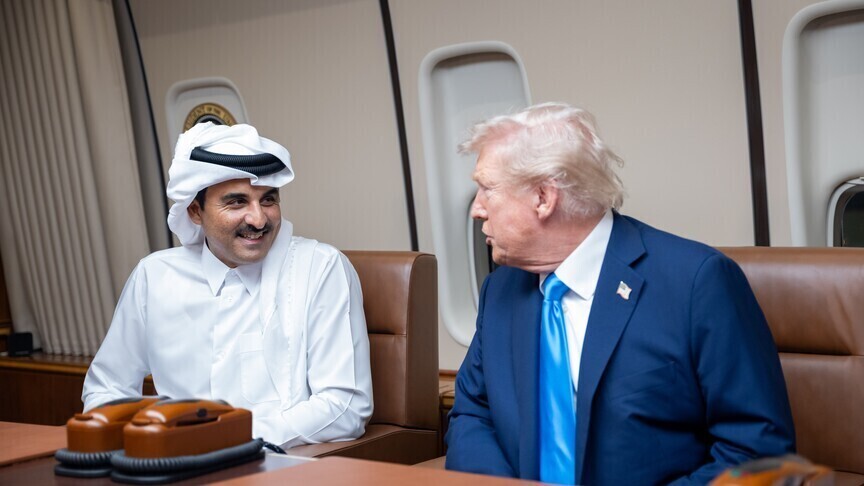
Qatari Emir Sheikh Tamim bin Hamad Al-Thani and US President Donald Trump engaged in a significant phone call, during which they discussed a range of pressing regional developments. The high-level communication between the two leaders specifically addressed regional and international efforts focused on de-escalation and promoting stability across the region. Their full conversation covered key issues impacting not only the broader Gulf countries but also the wider Middle East, showing the critical need for collaborative approaches to ongoing challenges. This diplomatic exchange notes the continued engagement between Qatar and the United States on matters of regional security.
Diplomatic Dialogue Focus
During the extensive discussion, Sheikh Tamim bin Hamad Al-Thani emphasized the critical importance of prioritizing political and diplomatic solutions and fostering dialogue among all involved parties. This approach, he stated, is key for consolidating regional security and stability, and for actively preventing further tension and escalation in the region. The Qatari Emir’s stance underlined a commitment to peaceful resolutions and the avoidance of further conflict, advocating for sustained communication channels.
The leaders' discussion also stressed the necessity of continued dialogue on current issues that affect global stability and economic well-being. Both President Trump and Sheikh Tamim noted the critical need to protect maritime navigation, strategic waterways, and the unimpeded global supply and energy flows. Their conversation showed a shared commitment to addressing these critical aspects of regional stability through ongoing diplomatic engagement, recognizing their vital role in international commerce and security. The call served as a platform to reaffirm their mutual dedication to upholding these principles amidst growing regional volatility.
Escalating Regional Tensions
Regional tensions have significantly escalated since late February, following a series of airstrikes launched by the United States and Israel on Iran. These military actions marked a critical turning point in the regional security landscape. The airstrikes resulted in the tragic deaths of more than 3,000 people, including then-Supreme Leader Ayatollah Ali Khamenei, a figure of immense political and religious authority in Iran. The loss of such a prominent leader further inflamed an already volatile situation.
In direct retaliation for these strikes and the immense casualties, Tehran has systematically targeted Israel and various Gulf countries that host US bases. These retaliatory actions have included missile strikes and other forms of aggression, demonstrating Iran's resolve to respond to perceived threats. Adding another layer of escalation, Tehran further compounded the situation by closing the Strait of Hormuz, a critical choke point for global oil shipments. This closure had immediate and broad implications for international energy markets and maritime security, increasing fears of broader economic disruption and military confrontation. The series of events has created an environment of heightened alert and uncertainty throughout the Middle East.
Path to Broader Agreement
Amidst the escalating hostilities, a Pakistan-brokered ceasefire took effect on April 8. This key agreement brought a temporary halt to some of the recent retaliatory actions, offering a desperately needed respite from the immediate conflict that had seen back-and-forth attacks between Iran and targets in Israel and Gulf countries. The ceasefire provided a window for diplomatic maneuvers and de-escalation efforts.
Following the implementation of this temporary ceasefire, concerted efforts to reach a broader and more full agreement have continued without interruption. These ongoing diplomatic initiatives seek to establish a more full and lasting resolution to the escalating regional tensions, with the ultimate goal of preventing future outbreaks of violence. The discussions focus intently on addressing the underlying issues that fuel the conflict, aiming to foster long-term stability and security in the Middle East. Such an agreement would be vital for restoring a semblance of peace and predictability to a region fraught with complex challenges.