From the archive
Qatar Ends Automatic Visa Extensions, Restores Standard Procedures
Qatar ends automatic visa extensions, restoring standard visa rules and fees. Visitors must now proactively manage their visa status to avoid penalties.
Qatar's Ministry of Interior (MoI) has officially ended its temporary emergency measure that automatically extended tourist, family, and work visas. The program, which provided a one-month extension for expired or expiring visas without charge, officially ceased on July 16, 2026. This means travellers to Qatar must now adhere to the country’s standard immigration procedures. Standard visa fees, normal validity periods, and renewal processes through official channels are now fully reinstated. The automatic one-month visa extensions are no longer available. From July 16, 2026, the temporary relief program is no longer in effect. This marks a full return to the country's pre-emergency visa regulations.
Return To Standard Procedures
Standard visa fees, normal validity periods, and traditional renewal procedures are now fully applicable in Qatar, according to official directives. This re-establishes the standard immigration framework previously in place. Individuals visiting Qatar must now ensure their visa status complies with these regulations. Travellers must now follow the country’s standard immigration procedures, including paying applicable visa fees, observing normal validity periods, and completing renewals through official channels. The Ministry of Interior has confirmed that standard visa fees and renewal procedures are now fully reinstated across all visa categories previously covered by the temporary measure. This includes tourist, family, and work visas, all of which are now subject to the regular immigration framework.
Failure to renew a visa within the permitted timeframe may result in overstay penalties or other legal consequences under Qatar’s immigration laws. The Ministry of Interior emphasizes that adherence to these standard procedures is mandatory for all visitors. This includes timely processing of extensions through official channels. Visitors are advised to verify their visa status through official Ministry of Interior channels. These official channels are key for ensuring compliance with the updated immigration requirements and avoiding any potential issues.
Visitors are advised to verify their visa status through official Ministry of Interior channels. These channels include the MoI website or designated service centers, ensuring that individuals can confirm their compliance with the updated immigration requirements. This measure aims to facilitate a smooth transition back to the country’s regular visa administration. The MoI further advises all visitors to proactively check their visa validity and renewal options well in advance of their expiry dates. This proactive approach will help prevent any unintended breaches of immigration law and ensure a smooth stay in Qatar.
Context Of The Measure
The emergency measure, which allowed for automatic visa extensions, was originally implemented to assist travellers impacted by various regional operational disruptions. This temporary policy aimed to provide flexibility for individuals whose travel plans to Qatar were affected by unforeseen circumstances outside their control. The initiative offered a one-month extension for visas that were either expired or nearing expiration, without incurring additional charges. Its purpose was to alleviate difficulties for visitors during a period of regional instability, ensuring their legal residency status was maintained. The Ministry of Interior had put this mechanism in place to support visitor logistics during the challenging operational environment. The emergency measure was introduced to help travellers affected by regional operational disruptions, acknowledging the unique challenges faced by international visitors during such times. This temporary provision was a testament to Qatar's commitment to supporting visitors and residents alike during periods of external strain.
The automatic extension program provided a key safety net for many, preventing issues related to visa overstay due to circumstances beyond their control. Its cessation signifies a return to stability in regional operations, allowing Qatar to revert to its established immigration protocols. The MoI's decision reflects a confident outlook on the current travel landscape, indicating that the conditions which necessitated the emergency measure are no longer prevalent. This transition back to standard procedures shows the country's strong and well-defined immigration system, which is now fully operational without the need for temporary adjustments.
Travel And Location Details
International visitors continue arriving through Hamad International Airport, which is situated approximately 15 kilometres from central Doha. This airport serves as a primary gateway for travellers entering Qatar. Hamad International Airport is approximately 15 km from central Doha, making it a convenient entry point for visitors. Doha's central area offers access to various attractions and business districts.
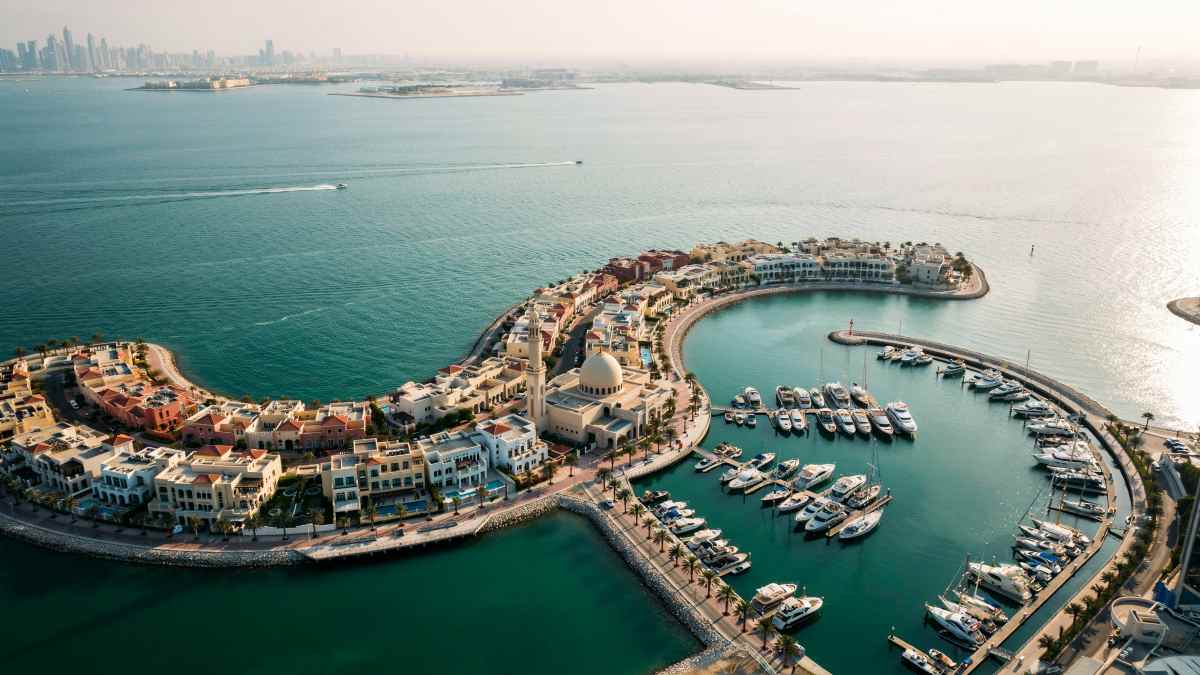
Several key destinations are accessible from central Doha and the airport. Lusail, a prominent planned city, is located approximately 25 kilometres north of central Doha. This area has seen significant development and hosts numerous residential and commercial projects. Lusail is approximately 25 km north of central Doha, establishing it as a key satellite city. The Pearl Qatar, an artificial island, is approximately 20 kilometres from Hamad International Airport, offering luxury residences, marinas, and retail outlets. The Pearl Qatar is approximately 20 km from Hamad International Airport, noting its accessibility for international arrivals. Katara Cultural Village, a hub for arts and heritage, lies around 10 kilometres from central Doha, providing a closer cultural experience for visitors. Katara Cultural Village lies around 10 kilometres from central Doha, making it an easily reachable cultural landmark.
The geographic positioning of these locations means that travel within the Doha metropolitan area typically involves moderate distances. For instance, the distance between Hamad International Airport and central Doha is approximately 15 km, making airport transfers relatively straightforward. Similarly, the Pearl Qatar is around 20 km from the airport, emphasizing its proximity to the main international entry point. Lusail's location approximately 25 km north of central Doha positions it as a significant, yet accessible, urban extension. Visitors can utilize various transportation options to reach these points of interest, including taxis, ride-sharing services, and the Doha Metro, which connects many of these key locations. The well-developed infrastructure ensures efficient travel for tourists and business visitors navigating the Qatari capital and its surrounding areas.