From the archive
Qatar Eyes Rapid LNG Resumption Post-Hormuz Reopening
Qatar plans to rapidly boost LNG production and restore export capacity within two months after the Strait of Hormuz reopens following recent damage.
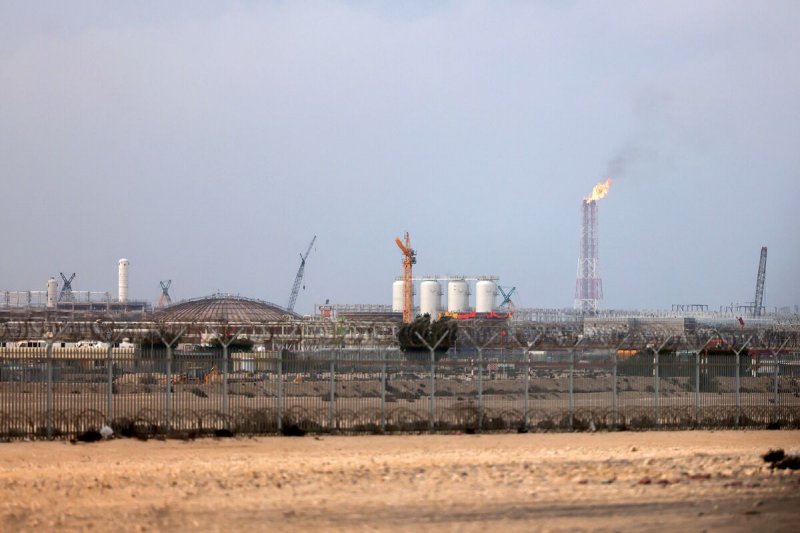
Qatar plans to rapidly increase its liquefied natural gas (LNG) production once the Strait of Hormuz reopens, aiming to restore most of its export capacity within two months, according to people familiar with the matter. This push follows damage caused by Iranian missile strikes in March, which temporarily hindered Qatar's LNG operations. The resumption efforts are focused on quickly bringing output back online after the waterway's closure, which is a critical maritime chokepoint for global energy shipments. The strategic importance of the Strait of Hormuz, through which a significant portion of the world's seaborne oil and gas passes, shows the urgency of Qatar's restoration plans.
Phased Output Restoration
QatarEnergy has communicated to its buyers that it anticipates elevating its liquefied natural gas (LNG) output to approximately 50% of its total capacity within one month following the restoration of safe passage through the Strait of Hormuz. This initial phase marks a significant step in the country's recovery strategy after the waterway's recent closure, which has impacted global energy supply chains. The company further expects to increase production to around 80% of its capacity within two months of the strait reopening, signaling a swift return to near-full operational levels. This phased approach aims to minimize disruption to global energy markets and fulfill existing supply agreements as quickly as possible, providing a measure of stability to its international partners. The communication from QatarEnergy to its buyers provides a clear timeline and commitment to restoring supply, which is key for market confidence.
The rapid restoration of a substantial portion of Qatar's LNG production capacity is a testament to the country's strong infrastructure and emergency response protocols. Industry observers note that such a swift recovery plan notes Qatar's key role as a major global LNG supplier and its commitment to maintaining supply reliability. The initial target of 50% capacity within the first month addresses immediate supply concerns, while the subsequent increase to 80% within two months demonstrates a full strategy for regaining market share and fulfilling long-term contracts. This phased reintroduction of supply is designed to allow the global market to gradually absorb the returning volumes without causing undue price volatility.
Long-Term Capacity Challenges
The remaining capacity, equivalent to two production trains, will take years to fully restore, according to sources familiar with the matter. This long-term challenge means that while a significant portion of Qatar's liquefied natural gas (LNG) production can be brought online relatively quickly, a complete return to pre-strike levels will require substantial time and investment. The two production trains represent a notable portion of Qatar's overall export capability, and their prolonged outage will have lasting implications. The extended timeline for their restoration indicates that some buyers may need to secure alternative supplies or face reduced volumes from Qatar for an extended period, even after the Strait of Hormuz is fully reopened. This sustained reduction in overall capacity shows the severity of the damage inflicted by the Iranian missile strikes in March.
The extensive repair work required for these two production trains involves complex engineering and the potential replacement of specialized equipment, contributing to the multi-year recovery period. This situation presents a different set of challenges compared to the more immediate restoration of other facilities. While the initial phases focus on bringing the majority of output back online, the full recovery of these specific trains will necessitate a sustained effort and significant capital expenditure from QatarEnergy. The implications for long-term supply contracts and Qatar's overall production targets will need to be carefully managed during this extended repair phase.
Market Impact and Outlook
The phased restoration of Qatar's liquefied natural gas (LNG) production capacity is expected to have a significant impact on global energy markets. With QatarEnergy aiming to restore 50% of its total LNG output within one month and 80% within two months of the Strait of Hormuz reopening, the immediate market disruption from the recent closure is likely to be mitigated. The swift return of a substantial portion of Qatar's export capacity could help stabilize LNG prices and ensure supply for its global buyers, many of whom rely on Qatar for consistent energy deliveries.
However, the longer-term outlook suggests continued challenges. The remaining capacity, equivalent to two production trains, will require years to fully restore. This extended period for complete recovery means that global LNG markets may experience a sustained, albeit smaller, deficit from Qatar's usual output for the foreseeable future. While the prompt restoration of the majority of capacity is positive, the full impact of the March missile strikes on Qatar's long-term export potential will be felt for years to come.