From the archive
Qatar Launches National Survey on Developmental Disabilities Services
Qatar's Ministry of Public Health and Hamad Bin Khalifa University launch a national survey to assess and improve developmental disabilities services…
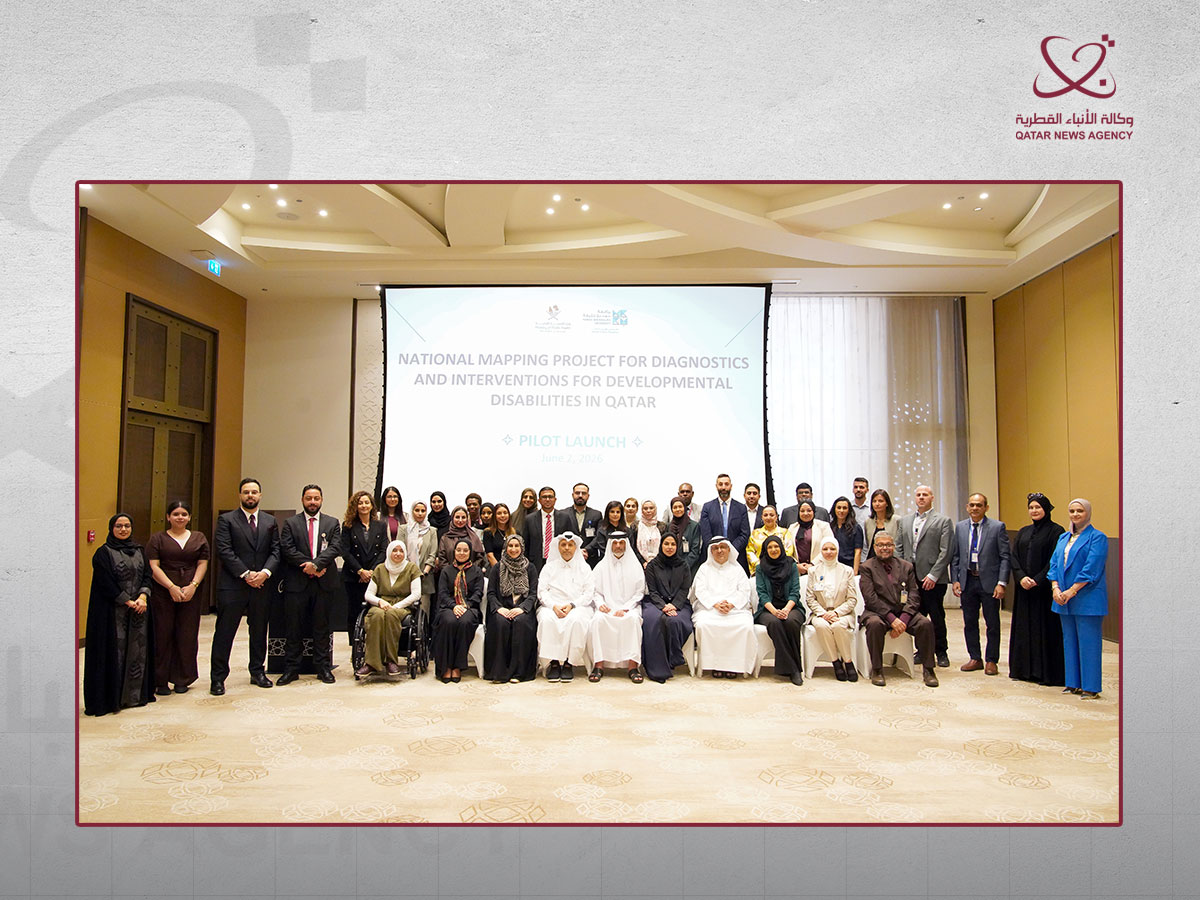
The Ministry of Public Health (MoPH), in collaboration with Hamad Bin Khalifa University, has launched the assessment phase of the National Survey on Developmental Disabilities Diagnostics and Interventions in the State of Qatar. This initiative marks a significant step towards understanding and improving services for individuals with developmental disabilities across the nation. The survey aims to gather full data on current diagnostic practices and intervention strategies available within Qatar, ultimately fostering a more inclusive and supportive environment. This collaborative effort shows Qatar's commitment to advancing healthcare and support systems for its population.
Survey Scope and Timeline
The national survey is scheduled to be conducted over a one-year period. It will encompass approximately 70 healthcare facilities throughout the State of Qatar. These facilities include hospitals, various health centers, clinics, and specialized treatment centers, ensuring a broad assessment of current services. The full scope aims to gather data from diverse points of care where individuals with developmental disabilities receive diagnostics and interventions. The Ministry of Public Health and Hamad Bin Khalifa University are overseeing the systematic data collection from these locations to build a detailed understanding of the landscape. This extensive coverage is key for obtaining a representative picture of the services currently available across both public and private sectors. The selection of these 70 facilities has been carefully planned to ensure geographical representation and inclusion of different service models.
Project Goals and Impact
The project aims to deliver a full and accurate assessment of the current status of diagnostic and intervention services available for developmental disabilities within Qatar. This initiative seeks to identify both the strengths of existing services and opportunities for further improvement. By gathering detailed data, the survey intends to enhance the overall quality of services provided to individuals with developmental disabilities and improve their accessibility across the nation. The findings are expected to inform future policy and strategic planning, ensuring that interventions are effective and reach those who need them most. Ultimately, the goal is to create a more supportive and inclusive environment for individuals with developmental disabilities and their families by optimizing the healthcare and support systems in place. This full assessment will serve as a foundational step for developing evidence-based strategies and interventions. The Ministry of Public Health emphasizes that this data-driven approach will lead to more targeted and efficient resource allocation, directly benefiting the community.
Expert Insights on Outcomes
The national survey on developmental disabilities will assess services related to a range of conditions. These include Autism Spectrum Disorder (ASD), Intellectual Developmental Disorders, and Speech and Language Disorders. The study also covers Learning Disorders, Developmental Coordination Disorder (DCD), and Attention-Deficit/Hyperactivity Disorder (ADHD). Stereotypic Movement Disorder is among the developmental disabilities encompassed by the survey's scope. This full approach aims to capture data across various diagnostic categories to inform service improvements in Qatar. By focusing on these specific conditions, the survey will provide granular insights into the diagnostic pathways and intervention efficacy for each. This detailed understanding is critical for tailoring support systems to the unique needs of individuals with different developmental challenges. The findings will highlight areas where current practices are excelling and pinpoint specific gaps that require immediate attention and strategic planning. The ultimate objective is to ensure that all individuals in Qatar affected by these conditions receive timely, appropriate, and high-quality care.