From the archive
Qatar Negotiates with US in Tehran to End Iran War
Qatar sent negotiators to Tehran on Friday to work with the US on a deal aimed at ending the war with Iran and resolving related issues.
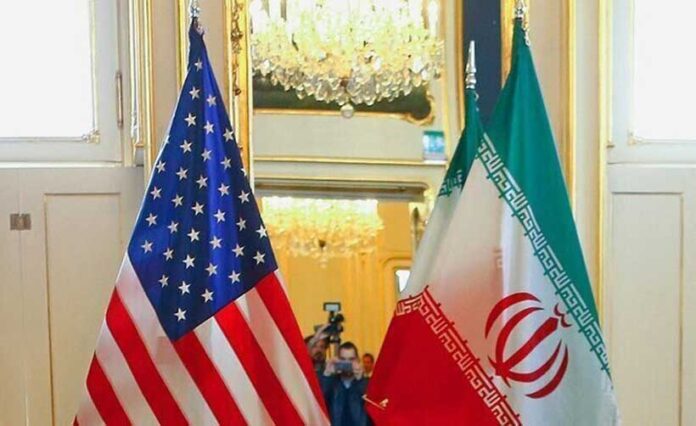
A Qatari negotiating team arrived in Tehran on Friday, initiating discussions that aim to de-escalate tensions and potentially end the ongoing conflict in Iran. The diplomatic effort follows a period of heightened regional instability, with Qatar positioned as a key mediator in the complex geopolitical landscape of the Middle East. The delegation's arrival in the Iranian capital shows a concerted push to find a resolution, involving dialogue with both Iranian officials and representatives from the United States. These negotiations are focused on addressing the underlying causes of the conflict and fostering a path towards a sustainable peace in the region, a goal made more urgent by recent escalations.
Mediator's Risky Engagement
Qatar has previously distanced itself from mediating in the Iran conflict following missile and drone attacks attributed to Iran. Despite these past instances, Qatar remains engaged in diplomatic efforts, demonstrating a continued commitment to regional stability. The country's liquefied natural gas (LNG) production was severely affected by Iranian strikes, showing the significant risks involved in its mediating role. These attacks significantly disrupted Qatar's LNG export capacity, directly impacting a critical sector of its economy and its ability to supply global energy markets. Despite these substantial challenges and the direct impact on its infrastructure, Qatar has re-engaged in discussions. This re-engagement notes the complex and often precarious nature of regional diplomacy, where national interests are intertwined with broader security concerns. Qatar's decision to return to the negotiating table, even after experiencing direct economic repercussions, shows the urgency felt by regional actors to find a peaceful resolution.
Complex Negotiation Landscape
An Iranian source, familiar with the ongoing discussions, stated that while no final agreement has been reached, progress has been made during the negotiations in Tehran. Remaining issues that continue to present significant hurdles include Iran’s uranium enrichment program and its strategic control over the Strait of Hormuz. These talks are further complicated by the United States' blockade of Iranian ports, which has had a considerable impact on Iran's economy and its ability to conduct international trade. Additionally, Iran's strategic control over the Strait of Hormuz, a critical global shipping lane through which a substantial portion of the world's oil transits, adds another layer of complexity to the diplomatic efforts. The interplay between these military, economic, and strategic factors shows the intricate challenges facing mediators as they seek to de-escalate tensions and secure a lasting resolution. Any full agreement would need to address these deeply entrenched issues to ensure long-term stability.
Broader Diplomatic Context
A fragile ceasefire is currently in effect following U.S.-Israeli strikes on Iran, which commenced in late February. This recent military action has intensified the need for diplomatic intervention and provides a tense backdrop for the current negotiations. Pakistan has served as the official mediator since the fighting began, according to sources familiar with the diplomatic efforts, playing a key role in initial de-escalation. These broader events, including the ceasefire and previous mediation efforts, provide the essential context for the current Qatari negotiations, noting the multi-faceted nature of the conflict and the international community's efforts to contain it. The involvement of multiple mediators reflects the gravity of the situation and the shared desire to prevent further escalation.
Key Issues Remain
Despite progress reported by an Iranian source, significant hurdles persist in the ongoing negotiations in Tehran. Key issues that remain unresolved include Iran’s uranium enrichment program, a sensitive topic with international implications, and its strategic control over the Strait of Hormuz, a choke point vital for global energy security. These discussions are further complicated by the United States' blockade of Iranian ports, which continues to impact Iran's economic activities and its access to international markets. The Strait of Hormuz, a critical global shipping lane through which a substantial portion of the world's oil transits daily, adds a complex geopolitical dimension to any potential resolution, affecting international trade and energy prices. Addressing these intertwined military, economic, and strategic concerns is central to securing a lasting peace and achieving a full agreement that satisfies all parties involved. The path forward requires sustained diplomatic engagement and a willingness from all sides to compromise on contentious issues.