From the archive
Qatar Pledges Academic Support, Cancer Center Aid to Afghanistan
Qatar pledges to send professors and aid a cancer center in Afghanistan, aiming to foster closer academic cooperation between the two nations.
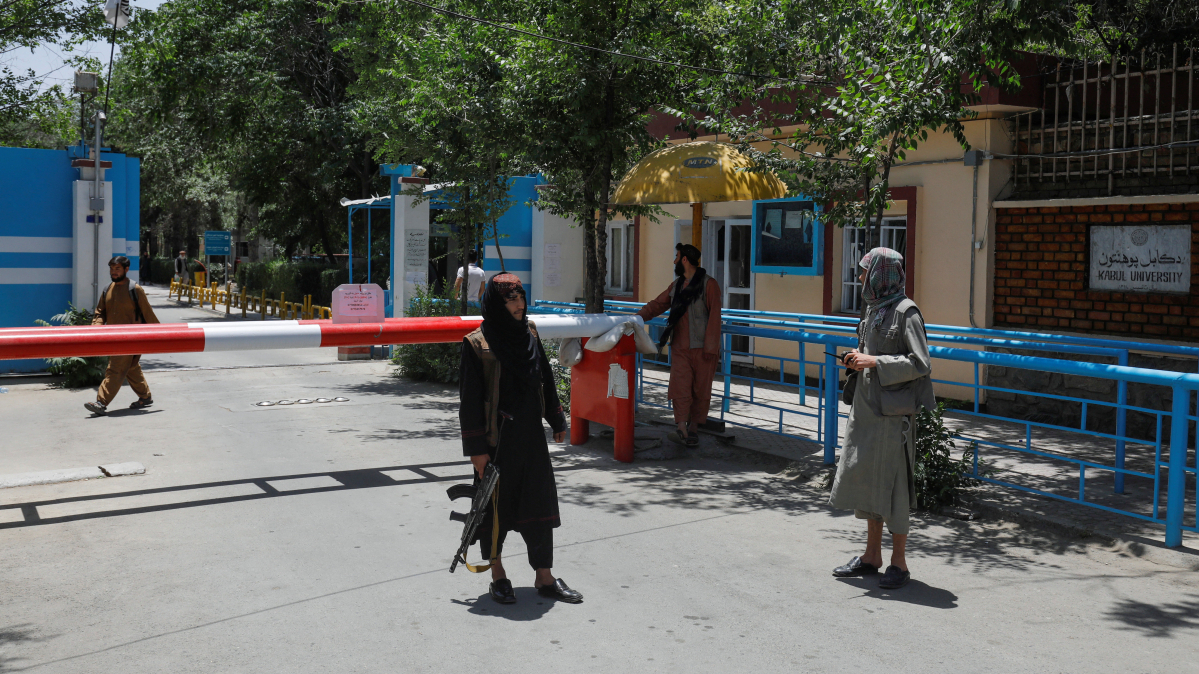
Qatar has pledged to send professors from Qatar and other Islamic countries to Afghanistan and to assist in equipping a cancer treatment center, in a move aimed at fostering closer academic cooperation between the two nations. The commitment shows efforts to bolster Afghanistan's educational and medical infrastructure, as the two countries seek closer academic cooperation. This initiative notes a growing partnership focused on critical sectors within Afghanistan.
Academic Cooperation Details
Mirdif bin Ali Al Qashouti, Qatar’s Ambassador to Afghanistan, also pledged support for Afghanistan in other academic and scientific fields. He did not provide a specific timetable or financial details regarding these additional areas of cooperation, indicating that further discussions on implementation specifics would likely follow. In a related development, Afghanistan's Acting Minister of Higher Education, Neda Mohammad Nadeem, extended an invitation to Ambassador Al Qashouti. Nadeem asked Al Qashouti to visit various higher education institutions across Afghanistan, emphasizing the importance of direct engagement and assessment. The invitation also specifically included a visit to the cancer diagnosis and treatment center located at Kabul University of Medical Sciences, showing the broader scope of potential collaboration beyond just academic exchanges. This visit would allow the Qatari delegation to gain firsthand insight into Afghanistan's educational and medical needs.
Afghanistan's Educational Stance
Afghanistan's Acting Minister of Higher Education, Neda Mohammad Nadeem, affirmed the country's commitment to modern education and scientific advancement. He stated that this commitment would be pursued while also considering Islamic Sharia and Afghanistan's cultural values. Nadeem has consistently emphasized the centrality of higher education to the nation's development, viewing it as a cornerstone for national progress. He has previously described higher education as central to national development, articulating a vision where academic growth fuels societal advancement. However, these commitments come amidst significant concerns regarding access to education for girls. UNESCO has estimated that 2.4 million girls had been excluded from secondary education by 2026, indicating a significant challenge within Afghanistan's educational landscape despite the stated aims for progress and development. This ongoing situation presents a complex backdrop to the discussions on educational cooperation.
Diplomatic Exchange and Context
Afghanistan’s Higher Education Minister Neda Mohammad Nadeem met Qatar’s Ambassador Mirdif bin Ali Al Qashouti on Sunday, the Ministry of Higher Education announced. During the meeting, Ambassador Al Qashouti expressed satisfaction with Afghanistan's developments. "We are pleased to see Afghanistan’s progress and the strengthening of higher education and education in the country," Al Qashouti stated, acknowledging the efforts being made. Minister Nadeem emphasized the importance of education for national advancement. "The full progress and development of every nation depend on the strength of its higher education system," Nadeem said, noting the country's focus on educational improvements and the strategic role of higher education. The discussions centered on academic support and collaboration, aiming to identify concrete areas where Qatar could provide assistance and expertise.
Official Statements
Qatar welcomed developments in Afghanistan’s education sector, according to a statement from the Ministry of Higher Education. However, women have remained barred from university education in Afghanistan since 2022, a policy that has drawn international criticism. The ministry’s statement did not specify whether the proposed cooperation with Qatar would include female students or academics, leaving a key question unanswered regarding the inclusivity of the future programs. This omission notes the ongoing debate and international scrutiny surrounding educational access for women in Afghanistan. The lack of clarity on this specific aspect of cooperation raises questions about the scope and beneficiaries of the pledged support.