From the archive
Qatar Urges Global Action Against Regional Violations, Seeks De-escalation
Qatar urges global action to halt Israeli occupation violations and prevent a new regional reality, while pursuing de-escalation efforts.
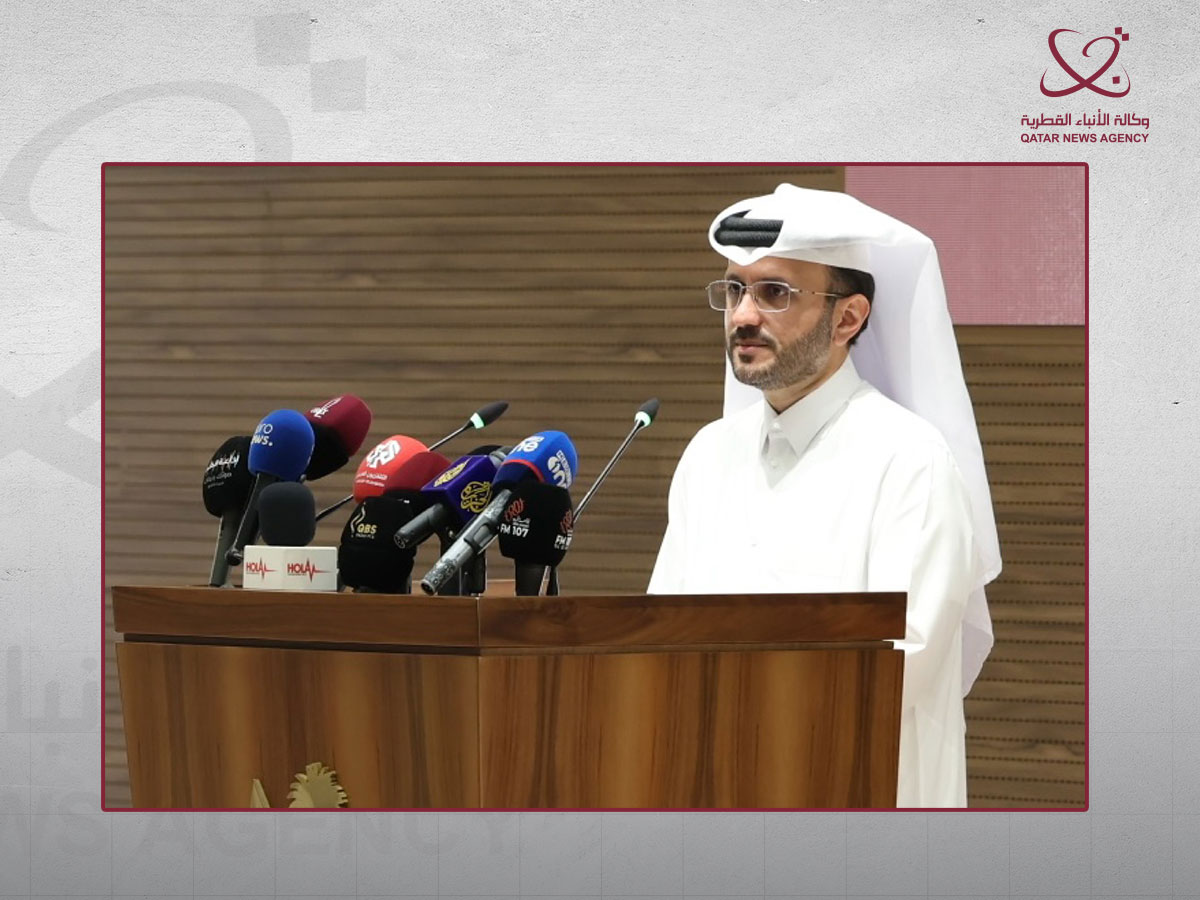
The State of Qatar is maintaining ongoing contacts with its regional and international partners to address Israeli occupation violations and abuses, seeking to de-escalate regional tensions. These diplomatic efforts are specifically aimed at halting Israeli occupation violations and abuses, reflecting a proactive stance against actions perceived as destabilizing. This diplomatic effort aligns with broader regional engagement, as His Excellency Prime Minister and Minister of Foreign Affairs Sheikh Mohammed bin Abdulrahman bin Jassim Al-Thani recently visited Iran. His visit was part of a series of engagements that also included officials from Oman and Pakistan, indicating a concerted regional push for stability and dialogue. The State of Qatar is continuing contacts with its regional and international partners to halt Israeli occupation violations and abuses, showing the urgency of the situation.
Addressing Israeli Actions
Qatar has stated that attempts are being made to impose a new reality in Syria, the West Bank, and Jerusalem. The State of Qatar has also repeatedly warned that Israel is seeking to exploit ongoing regional tensions. According to Qatar, Israel aims to bring about strategic and dangerous changes to the situation in the West Bank, Gaza, Lebanon, and Syria. Qatar has repeatedly warned that Israel is seeking to exploit regional tensions to bring about strategic and dangerous changes to the situation in the West Bank, Gaza, Lebanon, and Syria. This perspective shows Qatar's concern regarding the potential for unilateral actions to alter the regional status quo and exacerbate existing conflicts. The Gulf nation consistently notes the severe implications of such actions for regional peace and security.
Regional Diplomacy and Mediation
Qatar is warning against attempts to impose a new regional reality, asserting that such efforts are driven by a policy of regional hegemony rather than genuine security considerations. These diplomatic engagements, including recent visits to Iran, Oman, and Pakistan by His Excellency Prime Minister and Minister of Foreign Affairs Sheikh Mohammed bin Abdulrahman bin Jassim Al-Thani, were aimed at supporting mediation efforts. These visits were specifically aimed at supporting mediation efforts to return to negotiations and prevent a renewed escalation in the region. The objective of these initiatives is to facilitate a return to negotiations and prevent a renewed escalation across the region. Qatar cautioned about the consequences of leaving the current crisis unresolved. The Gulf nation also warned that treating the closure of the Strait of Hormuz as a fait accompli could lead to further escalation, emphasizing the critical need for a diplomatic resolution to prevent wider instability. Qatar warned about the consequences of leaving the crisis unresolved and cautioned that treating the closure of the Strait of Hormuz as a fait accompli could lead to further escalation, noting the potential for widespread disruption to global trade and energy supplies.
Libya and Broader Impacts
Qatar's diplomatic efforts have extended to Libya, where Minister of State for Foreign Affairs Dr. Mohammed bin Abdulaziz Al Khulaifi recently visited. The visit showed Qatar's position on the Libyan situation. Dr. Majed bin Mohammed Al Ansari, delivering remarks during the Ministry's weekly media briefing on Tuesday, stated that Qatar supports a "Libyan-Libyan" solution. This emphasizes the Gulf nation's belief that internal dialogue and resolution are key for Libya's stability and sovereignty, advocating for a process driven by the Libyan people themselves.
The broader implications of regional tensions were also noted. Dr. Al Ansari noted that the effects of the escalation have extended beyond the immediate region, impacting countries globally. These widespread consequences are evident in key sectors such as pharmaceuticals and energy, demonstrating the interconnectedness of international markets and the broad impact of regional instability. The effects of the escalation have extended beyond the region and affected countries around the world, including key sectors such as pharmaceuticals and energy, showing the global stake in regional de-escalation. This global impact necessitates a coordinated international response to address the root causes of instability and promote peaceful resolutions.