From the archive
Qatar Welcomes Dutch and Belgian Bans on Israeli Settlement Products, Urges Wider Adoption
Qatar welcomes Dutch and Belgian bans on Israeli settlement products, urging more countries to adopt similar measures to uphold international law and…
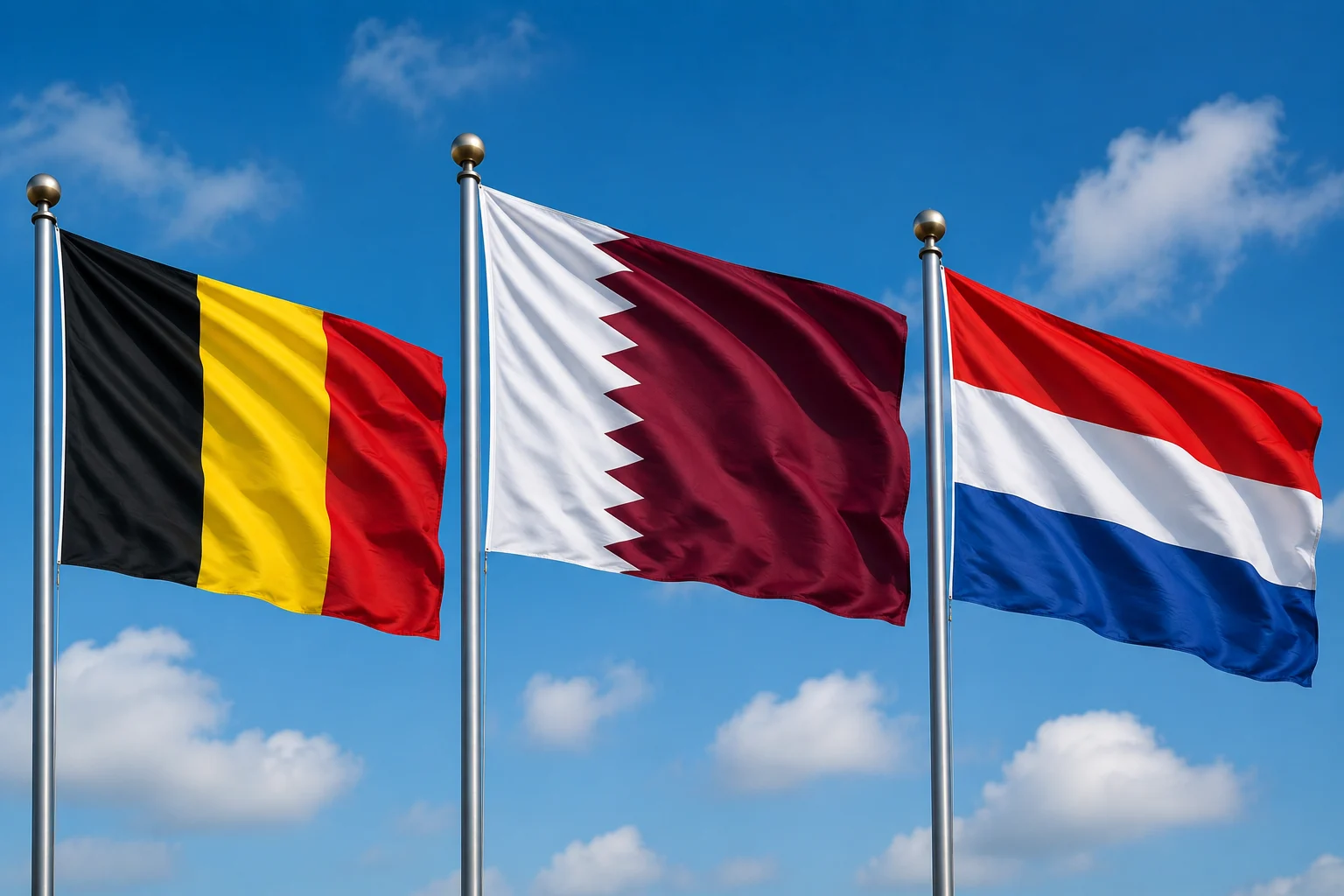
Qatar has welcomed recent decisions by the Netherlands and Belgium to ban Israeli settlement products, according to a statement from its Ministry of Foreign Affairs. The Gulf state reaffirmed its steadfast position supporting a two-state solution, advocating for the establishment of an independent Palestinian state along the 1967 borders, with East Jerusalem as its capital. This stance aligns with broader international efforts to distinguish between Israel and its settlements in occupied territories, which are considered illegal under international law.
The Qatari Ministry of Foreign Affairs specifically stated that the bans by the Kingdom of the Netherlands and the Kingdom of Belgium are "a key step that supports efforts aimed at deterring the occupation’s settlement policies." The ministry further noted that these policies "flagrantly violate the resolutions of international legitimacy, particularly Security Council Resolution 2334." This emphasis shows Qatar's view that such bans are vital for international accountability and adherence to established international legal frameworks.
European Bans Take Effect
The Netherlands confirmed its ban, covering the import, purchase, and sale of Israeli settlement goods, will take effect on September 22. The Dutch measure is full, extending to brokering services and applying to Dutch companies operating abroad, ensuring a wide scope of enforcement. This strong approach reflects the strong parliamentary backing the measure received; a majority in the Tweede Kamer, the lower house of the Dutch parliament, had previously supported the ban last year. This legislative endorsement paved the way for the government’s formal implementation.
Separately, Belgium approved its own ban on July 18, implementing it as part of a wider package of measures against Israel. The Belgian decision, like that of the Netherlands, signifies a growing European commitment to differentiate between goods produced within Israel's internationally recognized borders and those originating from settlements in the Palestinian territories. Both countries' actions are seen as a direct response to the continued expansion of these settlements.
Broader International Context
The Netherlands and Belgium now join Ireland, Spain, and Slovenia among European nations that have implemented restrictions on trade involving Israeli settlement products. These actions contribute to a growing international trend to differentiate between Israel and goods originating from its settlements in occupied territories. The measures adopted by these countries typically prohibit the import, purchase, and sale of such products, often extending to related services to prevent circumvention.
This broader movement reflects increasing international scrutiny over the legality and ethics of economic activities connected to Israeli settlements, which are widely considered to be in violation of international law. The cumulative effect of these national bans is to intensify pressure on Israel regarding its settlement policies and to uphold the principle that territories occupied in 1967 are not part of sovereign Israel. These European nations are asserting their commitment to international law and human rights through their trade policies.
Qatar's Call for Accountability
Qatar’s Ministry of Foreign Affairs welcomed the bans by the Netherlands and Belgium, stating, "The State of Qatar welcomes the bans by the Kingdom of the Netherlands and the Kingdom of Belgium on Israeli settlement products." The ministry further described these measures as "a key step that supports efforts aimed at deterring the occupation’s settlement policies, which flagrantly violate the resolutions of international legitimacy, particularly Security Council Resolution 2334." The Qatari ministry emphasized that "the international community must undertake its legal and moral responsibilities to compel Israel to halt its settlement policies in the occupied Palestinian territories." This stance shows Qatar's view that such bans are vital for international accountability and for advancing the prospects of a just and lasting peace in the region based on the two-state solution.