From the archive
QatarEnergy Prepares LNG Restart Amidst Shifting Geopolitical Tides
QatarEnergy prepares to restart LNG exports from Ras Laffan within a month, following a preliminary U.S.-Iran deal and safe navigation through the Strait…
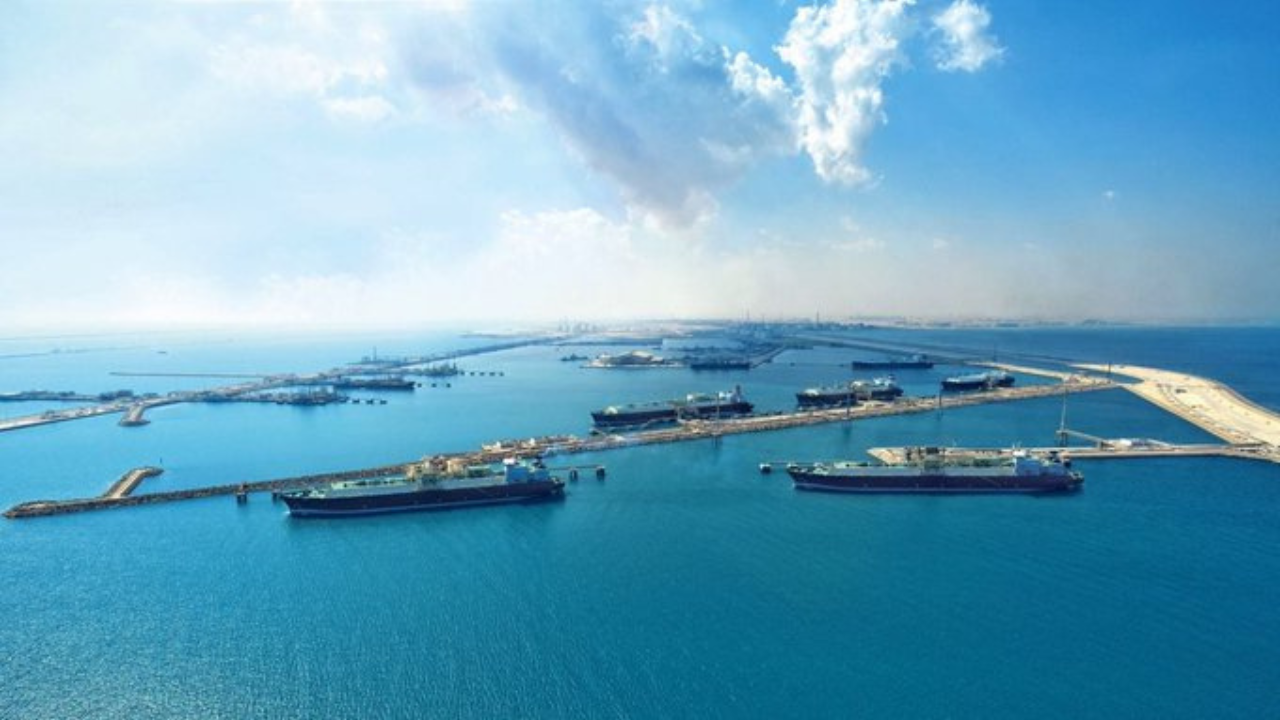
QatarEnergy is preparing to restart liquefied natural gas (LNG) shipments after declaring force majeure amidst the Iran conflict, which began on February 28. The conflict led to the closure of the Strait of Hormuz chokepoint, disrupting global energy flows and significantly impacting maritime traffic. The declaration of force majeure by QatarEnergy showed the severity of the operational challenges faced by the energy giant due to the regional instability. At least four Qatar-owned LNG carriers, alongside a fifth chartered vessel, recently began sailing towards Ras Laffan Industrial City, signaling potential preparations for renewed exports. These movements suggest QatarEnergy is positioning assets for operations following the recent disruptions, closely monitoring the evolving security situation in the critical waterway. The sight of these vessels heading towards the primary export hub offers a glimmer of hope for the resumption of vital energy supplies.
Damage and Production Halt
Qatar, the world’s second-largest liquefied natural gas (LNG) exporter, halted its production and exports in early March 2026, a direct consequence of the escalating conflict. This decision was made to ensure the safety of personnel and infrastructure amidst the volatile environment. Iranian missile strikes subsequently damaged parts of the Ras Laffan LNG facility in mid-March. These targeted attacks caused substantial disruption to Qatar's energy infrastructure. Approximately 20% of Qatar's total capacity was affected by these strikes, a significant blow to global LNG supply. Two of Qatar’s 14 LNG trains, specifically Trains 4/S4 and 6/S6, sustained direct hits. The damage to these trains has sidelined 12.8 million tonnes per annum (mtpa) of production. This figure represents about 17% of Qatar’s total LNG capacity, noting the strategic importance of the damaged units. Before the conflict, Qatar’s total LNG production capacity stood at 77 mtpa, distributed across its 14 trains located at Ras Laffan. The extensive damage necessitates significant repair work before these facilities can return to full operational status. The halt in production and exports from such a major player has had ripple effects across the international energy market, prompting concerns about supply stability.
Path to Partial Recovery
Despite the setbacks, QatarEnergy projects it can restore approximately 50% of its production capacity within one month of safe passage resuming through the Strait of Hormuz. This ambitious timeline reflects the company's commitment to quickly re-establish its position in the global energy market. Additional carriers are currently idling in the Gulf of Oman, poised to transit the Strait of Hormuz once conditions permit, indicating a readiness for immediate deployment. The company further anticipates reaching roughly 80% of its production capacity within two months following the reopening of shipping lanes, demonstrating a phased yet rapid recovery strategy. The operable portion of Qatar’s LNG facilities, which accounts for approximately 64 million tonnes per annum (mtpa), can ramp up production relatively quickly once shipping routes are secure and reopened. This substantial operational capacity, representing the majority of Qatar's pre-conflict output, is key to the projected swift recovery. This phased recovery plan outlines a strategy to gradually bring Qatar's substantial LNG exports back online after the recent disruptions to its facilities and shipping routes, providing a clear roadmap for stakeholders and international buyers. The efficiency of this ramp-up will be key for stabilizing global LNG prices and ensuring energy security for importing nations.
Long-Term Outlook and Conditions
The restart of QatarEnergy's liquefied natural gas operations remains conditional on the U.S.-Iran ceasefire holding, showing the delicate geopolitical balance influencing energy markets. Continued safe navigation through the Strait of Hormuz is also a prerequisite for sustained exports, as this chokepoint is indispensable for Qatar's maritime trade routes. In addition to the damage sustained by LNG trains, one gas-to-liquids (GTL) facility at Ras Laffan was also affected by the recent Iranian missile strikes. This GTL facility is expected to be offline for at least one year as repairs are undertaken, adding another layer of complexity to Qatar's recovery efforts. The long-term impact on specific energy products from this facility is still being assessed, but its extended outage will factor into Qatar's overall energy output and may affect particular market segments. The overarching conditions for a full resumption of Qatar's energy exports are closely tied to the stability of the geopolitical situation in the region, particularly regarding the critical Strait of Hormuz shipping lane. Further developments on the ceasefire agreement and navigational safety will dictate the pace and scale of QatarEnergy’s recovery efforts, with international observers keenly watching for signs of lasting peace and secure transit. The full restoration of Qatar's energy infrastructure and export capabilities hinges on these key political and security factors.