From the archive
Qatari Hajj Mission Hailed for Smooth Metro Transportation Plan
The Qatari Hajj Mission's metro plan for pilgrims using Al Mashaaer Al Mugaddassah Metro was successfully implemented and praised.
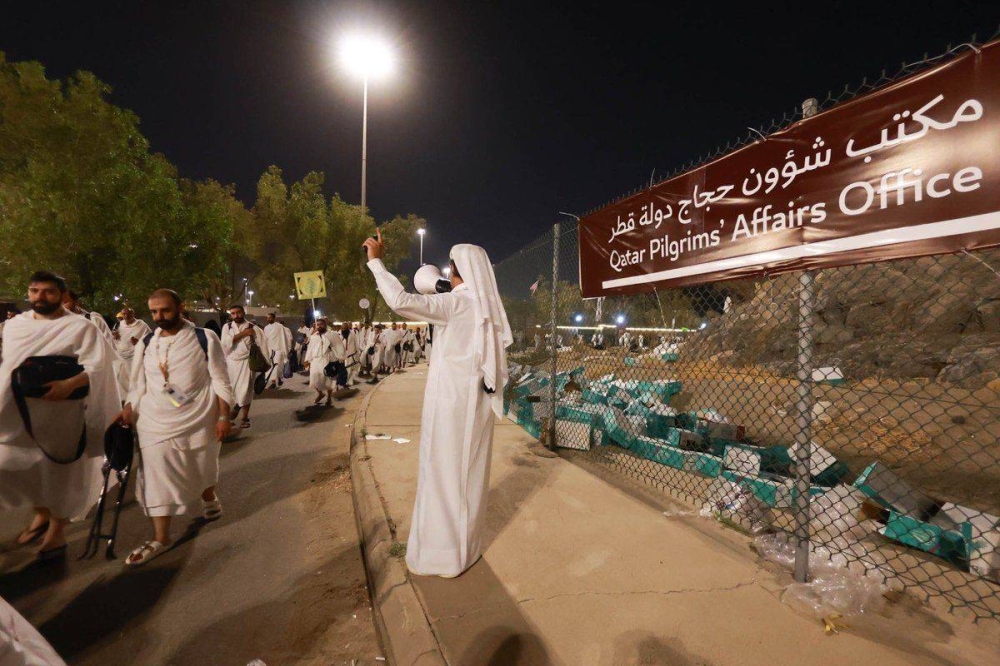
The Communications and Support Unit of the Qatari Hajj Mission successfully implemented a full transportation plan for Qatari pilgrims during the 1447 AH Hajj season. This initiative ensured the organized and efficient movement of pilgrims between the holy sites of Makkah Al-Mukarramah, Mina, Arafat, and Muzdalifah in the Kingdom of Saudi Arabia. The mission's plan focused on facilitating smooth transit for all Qatari pilgrims undertaking the annual pilgrimage, a critical component of ensuring a spiritual and unburdened Hajj experience. The successful execution of this plan shows the careful preparation and strategic coordination involved in managing the complex logistics of the pilgrimage.
Operational Execution Details
The Qatari Hajj Mission implemented its transportation strategy using the Al Mashaaer Al Mugaddassah Metro, a modern and high-capacity rail system specifically designed to serve pilgrims during the Hajj. This plan specifically involved moving pilgrims from Mina to Arafat via the metro system, a key leg of the journey that historically presents significant logistical challenges due to the vast numbers of pilgrims. The metro system provided a swift and comfortable alternative to traditional road transport, significantly reducing travel times and congestion. Following their time in Arafat, pilgrims then departed after sunset, utilizing the same metro service to reach Muzdalifah, completing another vital stage of the Hajj rituals with remarkable efficiency. The smooth transition between these holy sites allowed pilgrims to conserve their energy for the spiritual aspects of their journey.
The Communication and Support Unit maintained continuous operation to oversee and regulate crowd management plans. This round-the-clock vigilance was essential for anticipating and responding to any potential issues that might arise during the mass movement of people. The Qatari Hajj Mission stated, "The Communication and Support Unit worked around the clock to manage and monitor the crowd management plans on the ground, in coordination with the Qatari Hajj campaigns and the mission’s support units, most notably the Holy Sites Services Unit, the Medical Unit, and the Religious Unit. This was coupled with continuous coordination with the relevant authorities in the Kingdom of Saudi Arabia, which contributed to a highly efficient movement of the country’s pilgrims between the holy sites." This integrated approach ensured that all aspects of pilgrim welfare and movement were addressed comprehensively.
Field support teams were strategically stationed to assist Qatari pilgrims throughout their journey. These teams were deployed at Qatari pilgrims’ accommodations, various train stations within the holy sites, and at the holy sites themselves to provide immediate assistance and guidance. Their presence was vital for directing pilgrims, offering medical aid when necessary, and resolving any logistical queries, thereby acting as a key point of contact and reassurance for the pilgrims. These teams played a proactive role in ensuring that pilgrims could navigate the crowded environments safely and efficiently, enhancing the overall experience by minimizing potential stressors.
Collaboration and Integration
The organised movements of pilgrims were part of a full operational plan developed by the Qatari Hajj Mission. This plan was prepared within the framework of the Ministry of Endowments and Islamic Affairs’ strategic plan for Hajj, reflecting a long-term commitment to enhancing the pilgrimage experience. The Qatari Hajj Mission stated, "The organised pilgrims’ movements were part of the full operational plan prepared by the Qatari Hajj Mission within the framework of the Ministry of Endowments and Islamic Affairs’ strategic plan for Hajj. The plan aims to enhance the quality of services provided to Qatari pilgrims and ensure a safe and convenient Hajj experience that adheres to the highest organisational and humanitarian standards." This strategic foresight allowed for the careful planning and execution seen during the 1447 AH season.
The Qatari Hajj Mission continues to implement its full operational plan through its various service, technical, and field units. This ongoing commitment ensures that lessons learned are integrated into future plans, leading to continuous improvement. According to the Qatari Hajj Mission, "The Qatari Hajj Mission continues to implement its full operational plan through its various service, technical and field units, within the framework of the State of Qatar’s keenness, under the directives of the wise leadership, to provide the highest levels of care and services to the country’s pilgrims, ensuring that they perform their rituals with ease and tranquility, and embodying the commitment of the Ministry of Endowments and Islamic Affairs to developing the Hajj system and continuously improving the quality of services provided to the pilgrims from the State of Qatar." This steadfast dedication reflects the nation's priority in supporting its citizens during this sacred journey.
The success of the crowd management plans was attributed to the integration between various entities. This included support units within the mission, Qatari Hajj campaigns, and the organisational and operational capabilities of the Saudi Arabian authorities. This collaborative approach ensured the smooth execution of the transportation and crowd control strategies during the Hajj season, demonstrating the power of inter-agency cooperation in managing large-scale events. The synergy between these groups was a cornerstone of the plan's effectiveness, allowing for a harmonious and well-coordinated response to the dynamic environment of the Hajj.
Campaign Operator Testimonials
The Qatari Hajj Mission drew widespread praise from Hajj campaign operators and pilgrims for its transportation plan. This commendation specifically noted the high level of organization and on-site services provided throughout the pilgrimage. Campaign operators lauded the mission's efforts in facilitating pilgrim movements between the holy sites, noting the tangible improvements in efficiency and comfort. Pilgrims themselves expressed profound gratitude for the thoughtful arrangements, which allowed them to focus on their spiritual duties without the added burden of logistical concerns.
Mohammed Yousef Al Hammadi, owner of Al Hammadi Hajj and Umrah Campaign, noted the effectiveness of the arrangements. He observed how the mission's strategic deployment of resources and personnel contributed significantly to the pilgrims' experience. "The level of organization and coordination was truly exceptional," Al Hammadi stated, emphasizing how the smooth flow of pilgrims between Mina, Arafat, and Muzdalifah via the Al Mashaaer Al Mugaddassah Metro alleviated much of the traditional strain associated with these movements. The logistical support and smooth coordination were key factors in ensuring a smooth and spiritual journey for those under his campaign's care, allowing them to perform their rituals in an atmosphere of peace and order.
Ahmed Yousef Al Mulla, who owns the Taiba Hajj and Umrah campaign, also expressed appreciation for the mission's performance. He showed the importance of the detailed planning and execution, particularly in managing large numbers of pilgrims within the tight schedules of the Hajj rituals. "The Qatari Hajj Mission's commitment to pilgrim welfare was evident in every aspect of the transportation plan," Al Mulla remarked. He noted that the provision of accessible and efficient metro services, combined with on-ground assistance from dedicated field support teams, was instrumental in allowing pilgrims to focus on their religious duties without logistical concerns. The feedback from both operators and pilgrims consistently pointed to a Hajj season marked by unprecedented ease and organization, setting a new benchmark for pilgrim services.