From the archive
Qatar's Economy Faces Collapse Amidst Iranian Blockade and Strikes
Qatar's economy faces collapse with an 8.6% contraction projected due to Iranian strikes and blockade, crippling LNG exports and infrastructure.
Qatar's economy is facing significant contraction this year, with Iran's missile and drone strikes devastating the nation's natural gas industry and causing critical infrastructure to fall idle. The International Monetary Fund (IMF) projects that Qatar's economy will contract by 8.6% this year. This sharp downturn is a direct consequence of the widespread damage inflicted upon the country's vital energy sector. Loading cranes at Hamad Port south of Doha have fallen idle, impacting trade and shipping operations and signaling a broader paralysis in the nation's logistics. The strikes have severely affected the country's primary economic driver, leading to broader economic instability and raising concerns about Qatar's long-term financial health. The devastating impact on the natural gas industry, which forms the backbone of Qatar's prosperity, has ripple effects across all sectors of its economy, from trade to investment.
Foundational Gas Exports Crippled by Strait of Hormuz Closure
The Strait of Hormuz has been closed for more than two months, severely impacting maritime traffic key for Qatar's economic activities. A significant portion of that activity ground to a halt at the end of February due to the closure, creating an immediate and profound challenge for the Gulf state. This geopolitical reality presents a unique challenge for Qatar, which is geographically trapped behind the Strait of Hormuz. The country's unique geographical position makes it particularly vulnerable to disruptions in this critical maritime chokepoint.
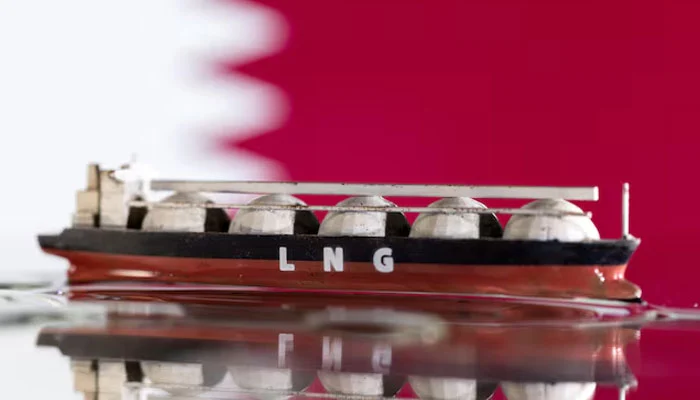
Unlike its regional counterparts, Saudi Arabia and the United Arab Emirates, Qatar's access to international waters for its vital gas exports is almost entirely dependent on passage through this narrow waterway. The prolonged closure has disrupted the primary shipping lanes used by QatarEnergy to transport liquefied natural gas (LNG) from the North Field, its massive offshore natural gas field. This situation directly affects Qatar's foundational gas exports, which are critical to its economy and global energy supply chains. The inability to use the Strait of Hormuz forces rerouting of shipping, if possible, or results in a complete cessation of maritime trade for certain vessels, leading to substantial delays and increased costs. The sustained blockade places considerable strain on Qatar's logistical capabilities and its ability to maintain its commitments to international energy markets, particularly to key importers like Japan. Japan, a long-standing partner and a primary recipient of Qatari LNG, faces potential energy supply shortages if the blockade persists. The dependence on a single maritime chokepoint has amplified the economic repercussions of the ongoing regional tensions, exposing a critical vulnerability in Qatar's economic model. The closure not only impacts LNG exports but also restricts the import of essential goods, further exacerbating the economic strain on the nation.
Economic Transformation and Current Crisis Impact on Production
Within 24 hours of the Iranian blockade, QatarEnergy announced it could not meet its contractual obligations, sending shockwaves through the global energy market. The blockade followed a strike that damaged critical equipment, causing a 17% drop in Qatar's production capacity. This significant reduction in output represents a major setback for an economy that underwent a profound transformation beginning in the 1990s. This period marked a strategic shift away from reliance on oil and towards maximizing its vast natural gas reserves.
Qatar's economic strategy at the time centered on super-cooling gas from the North Field to -162°C (-259.6°F) to produce liquefied natural gas (LNG). This innovative method allowed for efficient transport and export of its vast natural gas reserves to distant markets, fundamentally altering its economic trajectory. The first shipment of this super-cooled gas was delivered to Japan in 1996, marking the initial success of this ambitious economic diversification project. This pioneering move established Qatar as a formidable player in the global LNG market.
Following this strategic pivot, Qatar's production capacity surged significantly, reaching 77 million tons by 2010. This rapid expansion cemented Qatar's position as a major global energy supplier and fueled remarkable economic growth, transforming the desert nation into an economic powerhouse. For most of the decade that followed, Qatar was recognized as the wealthiest country in the world on a per-capita basis, a testament to the success of its long-term investment in LNG infrastructure and exports. This period of unprecedented prosperity was built upon the reliable and efficient export of its natural gas resources. The current crisis, stemming from the Iranian blockade and the resulting damage to production capabilities, directly impacts this foundational economic model. It threatens the very infrastructure that underpinned Qatar's rise to global economic prominence, putting decades of strategic development at risk. The 17% drop in production capacity, specifically, undermines the core of its economic strength.
Outlook and Potential Fallout Amidst Regional Instability
Qatar's industrial hub for gas production, Ras Laffan, has shut down amidst recent events, a critical blow to the nation's energy infrastructure. Two weeks after the initial shutdown, Iranian missiles and drones struck the Ras Laffan facility, causing further extensive damage and deepening the crisis. This attack on a key industrial site has compounded the challenges faced by Qatar's energy sector. Qatar's growth forecasts have been significantly slashed following these developments, reflecting a challenging economic outlook that is now being re-evaluated by international financial institutions. The International Monetary Fund (IMF) projects that any recovery for the Qatari economy will not occur until 2027, indicating a prolonged period of economic stagnation and hardship. This grim forecast shows the severity of the current situation and the long-term implications of the damage sustained.
In an effort to attract foreign investment and stimulate economic activity, Qatar abolished the requirement for foreign companies to maintain local partners in 2019. This progressive move aimed to make the Qatari market more accessible and appealing to international businesses, fostering a more open and competitive economic environment. However, the current crisis threatens to overshadow these reform efforts and deter potential investors. The broader Middle East region is also experiencing significant economic strain, with the World Travel & Tourism Council estimating tourism revenue losses of $600 million a day. This regional economic downturn, exacerbated by ongoing geopolitical tensions, adds another layer of complexity to Qatar's recovery efforts. Despite the current economic pressures and the dire projections, S&P Global Ratings maintained Qatar's sovereign rating, indicating a degree of underlying stability in its financial health and suggesting that the nation still possesses significant reserves and a strong financial framework, albeit one under severe duress. The long-term implications of the current crisis on Qatar's economic standing and its ability to rebound remain a subject of intense scrutiny and concern.