From the archive
Qatar's Folk Arts: The Enduring Heartbeat of Eid Celebrations
Qatar's folk arts are the vibrant heartbeat of Eid celebrations, preserving cultural identity and joy for future generations.
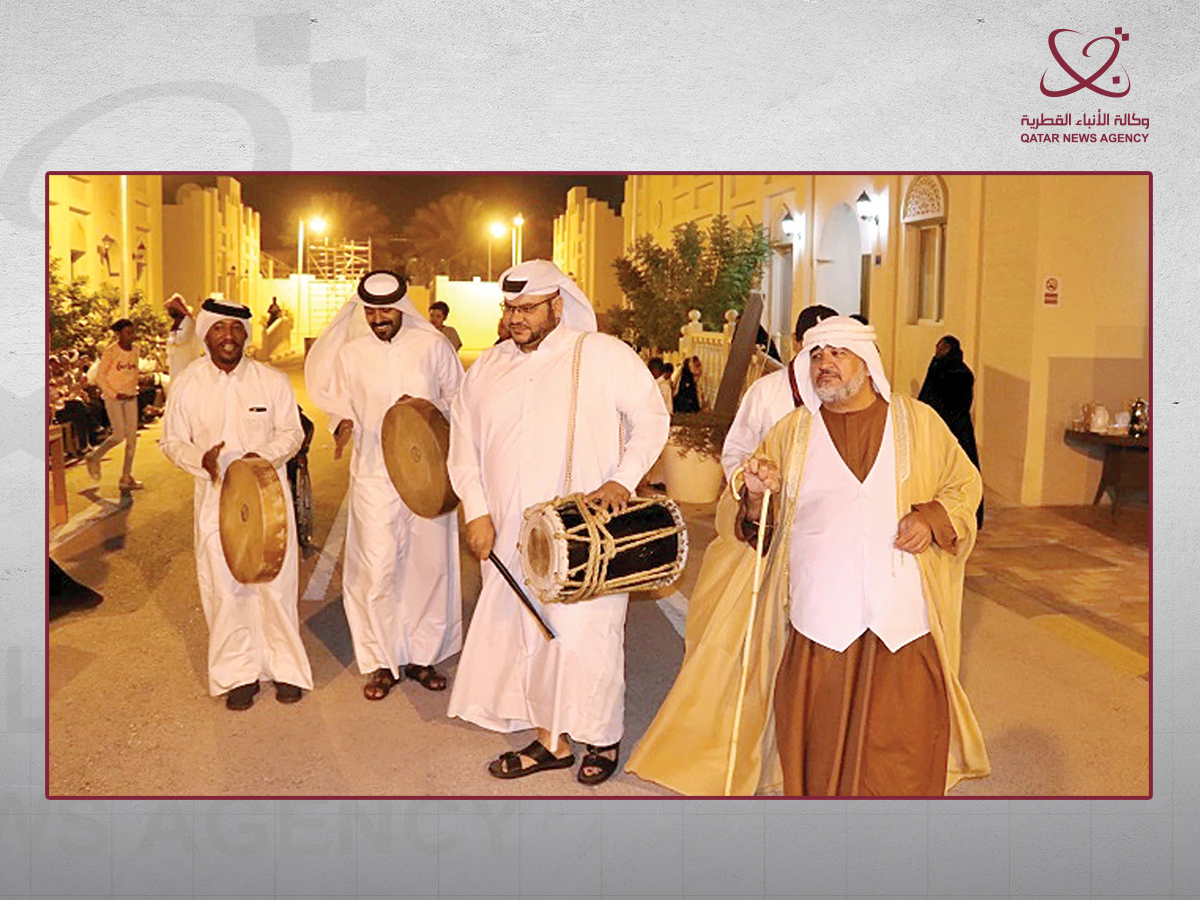
Qatar's folk arts are considered the cultural heartbeat of Eid celebrations, playing a central role in marking the festive period. These traditions are not merely historical relics but vibrant, living expressions that bind the community. The anticipation for these celebrations builds significantly among children across Qatar, with their Eid experience beginning well after Garangao. This period of excitement continues without interruption until Eid morning, noting the deep cultural connection between traditional arts and the festive atmosphere. The engagement of the younger generation ensures the continued relevance and vibrancy of these practices within the community, perpetuating a rich cultural legacy. The festive atmosphere during Eid is profoundly shaped by these traditional performances and musical expressions, creating a unique cultural tapestry that is distinctly Qatari.
Preserving Musical Heritage
The late composer Abdulaziz Nasser played an era-defining role in safeguarding Qatar's musical heritage. His contributions were key in ensuring that traditional melodies and rhythms endured through generations. Among his significant contributions, Nasser worked on "Ya Al-Aido," an enduring traditional song that has become synonymous with Eid celebrations. This particular rendition of "Ya Al-Aido" was officially recorded for Qatar Radio in 1970, a key step that helped to preserve it for future generations. The recording captured the essence of the song, making it accessible and ensuring its place in the national cultural memory. The song incorporates the "Al-Daza" rhythm, a common musical pattern heard during weddings and various holiday celebrations across Qatar. This rhythm is characterized by its distinctive beat and is often accompanied by specific dance movements, embodying the joyous spirit of communal gatherings. Beyond "Ya Al-Aido," other documented folk works associated with Eid festivities include "Bajer Al Eid" and "Al-Aidooh," further illustrating the rich musical traditions that mark the holiday. These additional songs contribute to the diverse soundscape of Eid, each carrying its own historical and cultural significance, and collectively reinforcing the importance of music in Qatari celebrations. The careful efforts to record and document these musical pieces have been instrumental in maintaining their authenticity and ensuring their continued performance.
Generational Performance Traditions
The children's refrain “Eidkum Mubarak ya Ahl al-Bayt” has evolved into a traditional folk chant, becoming a customary expression of Eid greetings throughout Qatar. This simple yet profound phrase is chanted by children as they visit homes, spreading joy and receiving gifts, a cherished custom during the festive period. Both Eid Al-Fitr and Eid Al-Adha are documented through distinctive folk performance traditions, which include the women's "Al-Muradah" chant-dance. The "Al-Muradah" tradition involves women gathering during the Eid period to perform a specific dance. This performance is a cornerstone of women's cultural expression during Eid, offering a communal space for celebration and artistic display. Participants arrange themselves in two opposing lines, engaging in unaccompanied call-and-response chanting as part of the performance. The vocal interplay and synchronized movements create a mesmerizing spectacle, reflecting the collective spirit and artistic prowess of the women. This practice notes the communal and vocal aspects of women's cultural expression during the holiday, fostering a sense of unity and shared heritage.
Men in Qatar mark Eid through the "Al-Ardah" sword dance. This performance typically takes place after afternoon prayers in public gathering spaces, serving as a prominent display of male folk tradition during Eid celebrations. The "Al-Ardah" dance is characterized by its use of swords and choreographed movements, reflecting a historical and martial aspect of Qatari cultural heritage. The dancers, often dressed in traditional attire, move in rhythmic patterns, symbolizing strength, courage, and communal solidarity. The precision and grace of the sword movements, combined with accompanying chants and drumming, create a powerful and visually striking performance. These distinct performance traditions for men and women show the diverse ways in which the community participates in and perpetuates the festive spirit of Eid through folk arts. The continuation of these practices ensures that the cultural heritage is not only remembered but actively lived and celebrated by each generation.
Scholarly and Media Efforts
Folk traditions have been preserved through audio-visual recordings archived by the Qatar Media Corporation and through documentation by Qatari heritage scholars. These efforts ensure the longevity and accessibility of the cultural practices associated with Eid celebrations, making them available for study and appreciation by future generations. The archiving process involves careful collection, categorization, and preservation of various forms of folk art, from musical performances to oral histories. Ibrahim Al Mutawa, a writer, journalist, and music critic, has contributed significantly to this body of work by analyzing and documenting various aspects of Qatari folk arts. His insights help in understanding the historical and contemporary significance of these traditions, providing critical context and interpretation. Al Mutawa's extensive research and critical analysis have shed light on the nuances and evolution of these cultural expressions. Additionally, Faisal Al Tamimi, a heritage researcher and composer, has played a role in both the study and composition of works rooted in Qatari heritage. Al Tamimi’s unique blend of research and artistic creation allows him to both understand and contribute to the living tradition of Qatari folk arts. His compositions often draw inspiration from traditional melodies and rhythms, giving them a contemporary voice while maintaining their authentic essence. The combined efforts of media institutions and individual scholars like Al Mutawa and Al Tamimi are key in maintaining and promoting the rich array of folk arts that define Eid festivities in Qatar. Their work ensures that these invaluable cultural assets are not lost to time but continue to enrich the national identity.
Voices on Cultural Significance
Qatari composer and artist Matar Ali Al Kuwari emphasized that Eid in Qatar is deeply tied to intimacy, simplicity, and shared cultural memory. He noted how these elements intertwine to create a profound and meaningful festive experience for all. Al Kuwari stressed that children's Eid experience is highly anticipatory, beginning after Garangao and continuing with excitement until Eid morning. This period of eager expectation is a fundamental part of the celebration, fostering a sense of wonder and joy among the young. He called for official institutional preservation of Qatari heritage through a dedicated committee to collect and document folk culture. Such a committee, he believes, would provide the structured support necessary to systematically safeguard these invaluable traditions. Al Kuwari noted that transforming heritage into living cultural production through modern Qatari artistic expression, rather than static memory, is what matters more. This approach advocates for dynamic engagement with heritage, ensuring it remains relevant and evolves with contemporary society. Overall, Qatari folk heritage encompasses a wide array of traditions, including emotional songs, maritime music, Ardah performances, Samri traditions, children's songs, social customs, folk games, and traditional crafts. This full range of cultural expressions collectively forms the vibrant and enduring identity of Qatar's festive celebrations, particularly during Eid. The continued dedication to these arts by artists, scholars, and the community alike ensures that the heartbeat of Qatari culture remains strong and resonant.