From the archive
Unsung Heroes: Delivery Drivers Kept Qatar Moving During Iran War Threats
Delivery drivers in Qatar became unsung heroes, ensuring daily life and essential services continued uninterrupted during Iran war threats.

Missiles and drones posed a significant threat to the Gulf region in the early days of the Iran war, leading to widespread uncertainty and disruption to daily life across Qatar. The conflict introduced a new layer of anxiety for residents as the potential for escalation loomed. This escalation created an environment where essential services faced potential interruptions, impacting the routines and well-being of the population. Despite these challenges, individuals providing key services continued their work, demonstrating remarkable resilience. The situation showed the resilience of the local population and the dedication of those maintaining critical infrastructure and supply chains throughout Doha and other parts of Qatar. The ongoing threats from the conflict impacted various sectors, necessitating adaptive measures to ensure continuity and stability within the country. This period noted the unforeseen dependencies and the quiet heroism of those who kept daily life functioning amidst regional instability.
Navigating Crisis Operations
As more people opted to remain indoors due to the prevailing security concerns, demand for delivery services experienced a notable increase across Qatar. This shift in consumer behavior placed additional pressure on logistics and operational capacities, as residents increasingly relied on external services for their daily needs. The heightened demand for deliveries was a direct consequence of the public's cautious approach, with many choosing to avoid non-essential travel and public gatherings. This surge in orders meant that delivery companies had to rapidly scale their operations and adapt to unprecedented circumstances.
Operational teams subsequently worked around the clock to manage the heightened activity. Their responsibilities included coordinating incoming orders, meticulously tracking deliveries to ensure timely arrival, and responding promptly to any security alerts that arose. This continuous effort was essential for maintaining service levels during a period of uncertainty, ensuring that the supply chain remained strong despite external pressures. The coordination involved sophisticated logistical planning, from optimizing delivery routes to managing a larger fleet of drivers under challenging conditions. These teams were critical in ensuring that the increased volume of orders could be processed efficiently and safely, providing a key link between businesses and consumers.
Drivers' Commitment and Community Reliance
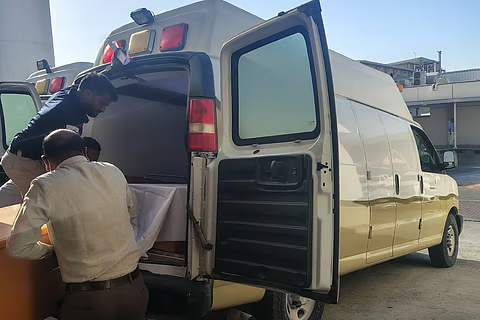
In Qatar, delivery drivers from local companies maintained their work schedules, ensuring food, medications, and supplies reached residents across Doha. This continuity of service was key as the community relied on these deliveries for essential needs, particularly when venturing outside became a concern for many. Drivers were presented with the option to remain at home during the period of heightened geopolitical tensions, acknowledging the inherent risks associated with their work. However, many chose to continue their delivery routes, demonstrating a profound commitment to their roles despite the inherent risks involved. Their sustained efforts supported daily life for many households throughout the capital, providing a sense of normalcy and reliability during an otherwise unpredictable time. Their dedication ensured that vital goods continued to flow, underpinning the stability of daily routines for countless individuals and families.
The decision by these drivers to continue working, despite the personal risks and the option to stay home, showed their vital contribution to the community. They became an indispensable part of the urban fabric, navigating the streets of Doha to connect residents with necessities. This commitment went beyond mere employment; it reflected a deep sense of responsibility to the community they served.
Evolving Perceptions and Recognition
Delivery drivers became integral to maintaining daily life in Qatar, ensuring residents received necessary goods throughout the crisis. Their efforts were key as fewer people ventured out, transforming drivers into a vital link for cafes and businesses that relied on their services to reach customers. This meant that delivery drivers helped keep the country going by ensuring people received necessary goods during the crisis, a role that gained significant public recognition. The role of these delivery professionals consequently changed how they are perceived within Qatar. Many residents, who previously might have taken the service for granted, developed a new appreciation for the dedication and resilience demonstrated by drivers operating under challenging circumstances. Their continued presence on the roads, delivering essentials like food and medication, showed their silent but significant contribution to the stability of the community during a period of heightened regional tensions. This sustained service noted the indispensable nature of their work, elevating their status from service providers to essential community pillars. Their actions fostered a greater understanding and respect for the labor and risks involved in their daily tasks.