From the archive
US-Iran Framework Deal Mediated by Pakistan, Qatar Aims for Ceasefire, Shipping Restoration
Pakistan and Qatar mediate a US-Iran framework deal for a 60-day ceasefire, restored shipping in the Strait of Hormuz, and partial release of frozen funds.
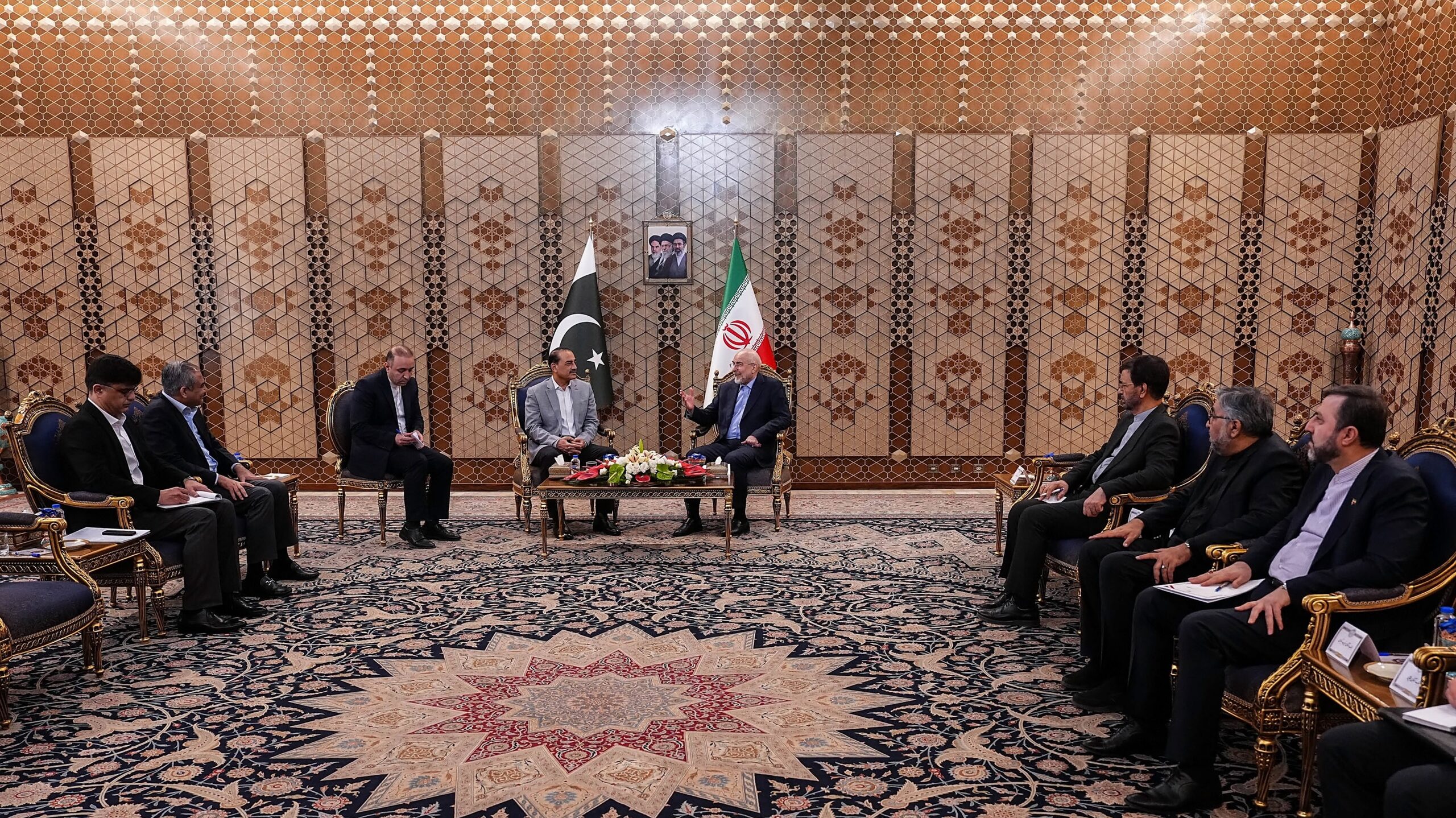
A proposed framework deal between the United States and Iran includes a possible 60-day ceasefire extension, contingent on certain conditions. This extension would facilitate the release of a portion of Iran's frozen funds as part of the broader agreement. The negotiations, mediated by Pakistan and Qatar, aim to restore shipping safety and establish a lasting ceasefire. The potential 60-day ceasefire extension is a central component of the US-Iran framework deal, designed to de-escalate tensions and foster a more stable environment in the region.
Deal Details and Scope
The proposed framework deal includes provisions for the restoration of shipping through the Strait of Hormuz. This critical waterway, essential for global oil supplies, has been a flashpoint for regional tensions. The agreement seeks to lift the US naval blockade of Iranian ports, a move that would significantly impact Iran's economic activity and trade routes. The lifting of the blockade is seen as a key concession to Iran, allowing greater access to international markets. The release of a portion of Iran’s frozen funds is another significant element of the proposed deal, offering economic relief to Tehran. The US-Iran framework deal does not, however, resolve the issue of Tehran’s highly enriched uranium, according to reports. This unresolved aspect remains a point of concern for international observers and future negotiations.
Former President Donald Trump commented on the progress, stating that the agreement was “largely negotiated.” Mr. Trump added that the “final aspects and details of the deal” were actively being discussed, indicating the advanced stage of the diplomatic efforts. His remarks show the significant effort invested in these complex negotiations.
Mediation and Guarantees
Pakistan and Qatar are mediating the US-Iran framework deal, facilitating discussions between the two nations. Their roles as intermediaries are key in bridging the diplomatic gap between Washington and Tehran. The agreement designates Saudi Arabia, Egypt, and Turkey as guarantors for its implementation, providing a layer of regional oversight and commitment to the deal's adherence. These nations' involvement as guarantors notes the regional significance and potential impact of the framework deal. Qatar's involvement in mediating the deal continues despite the country being affected by Iran in March, demonstrating its commitment to regional stability. The United Arab Emirates has not publicly endorsed Pakistan's role in the ongoing mediation efforts, reflecting potential geopolitical nuances within the Gulf region. Sources close to the negotiations indicate Pakistan is utilizing its mediation role to enhance its diplomatic standing with the United States, China, and Saudi Arabia. This diplomatic engagement aims to bolster Pakistan's influence in regional affairs and with key international partners, leveraging its position as a facilitator of critical dialogue.
Strait of Hormuz Tensions
Iran seeks to maintain sovereignty over the Strait of Hormuz, according to reports, asserting its control over the strategically vital maritime passage. Hard-liners within Iran have warned that shipping will not return to normal through the vital waterway, signaling potential resistance to full normalization even with a deal in place. In a related development, Tehran has established a Persian Gulf Strait Authority, which has begun imposing permits and fees on vessels transiting the strait. This move, aimed at solidifying its control, coincides with the placement of mines in the Strait of Hormuz, further escalating concerns about maritime safety. British and French mine-clearance plans for the area are currently pending a peace agreement, showing the serious security challenges that persist in the region despite diplomatic efforts. The presence of mines and the imposition of new fees create a complex operational environment for international shipping.
Upcoming Events and Context
Hajj is scheduled to begin in mid-June, coinciding with the FIFA World Cup opening the same week across the United States, Mexico, and Canada. This convergence of major international events adds another layer of contextual significance to ongoing diplomatic efforts. Iran’s national football team is among the qualifiers for the FIFA World Cup and is scheduled to play Egypt during the group stage, an interesting parallel given Egypt's role as a guarantor in the proposed framework deal. Separately, Saudi Arabia is coordinating Hajj logistics with Iran, indicating a level of practical cooperation between these regional rivals despite broader political tensions. The United Arab Emirates blames Iranian-backed militias for a drone attack on its Barakah nuclear plant, noting the persistent security concerns and proxy conflicts that continue to destabilize the region even as diplomatic channels are pursued. These events collectively paint a picture of a complex and interconnected regional landscape where diplomacy, security, and major international gatherings intersect.