From the archive
Asian LNG Buyers Anticipate End to QatarEnergy Force Majeure
Asian LNG buyers anticipate QatarEnergy's force majeure declaration will expire in July, as regional tensions ease and exports increase.
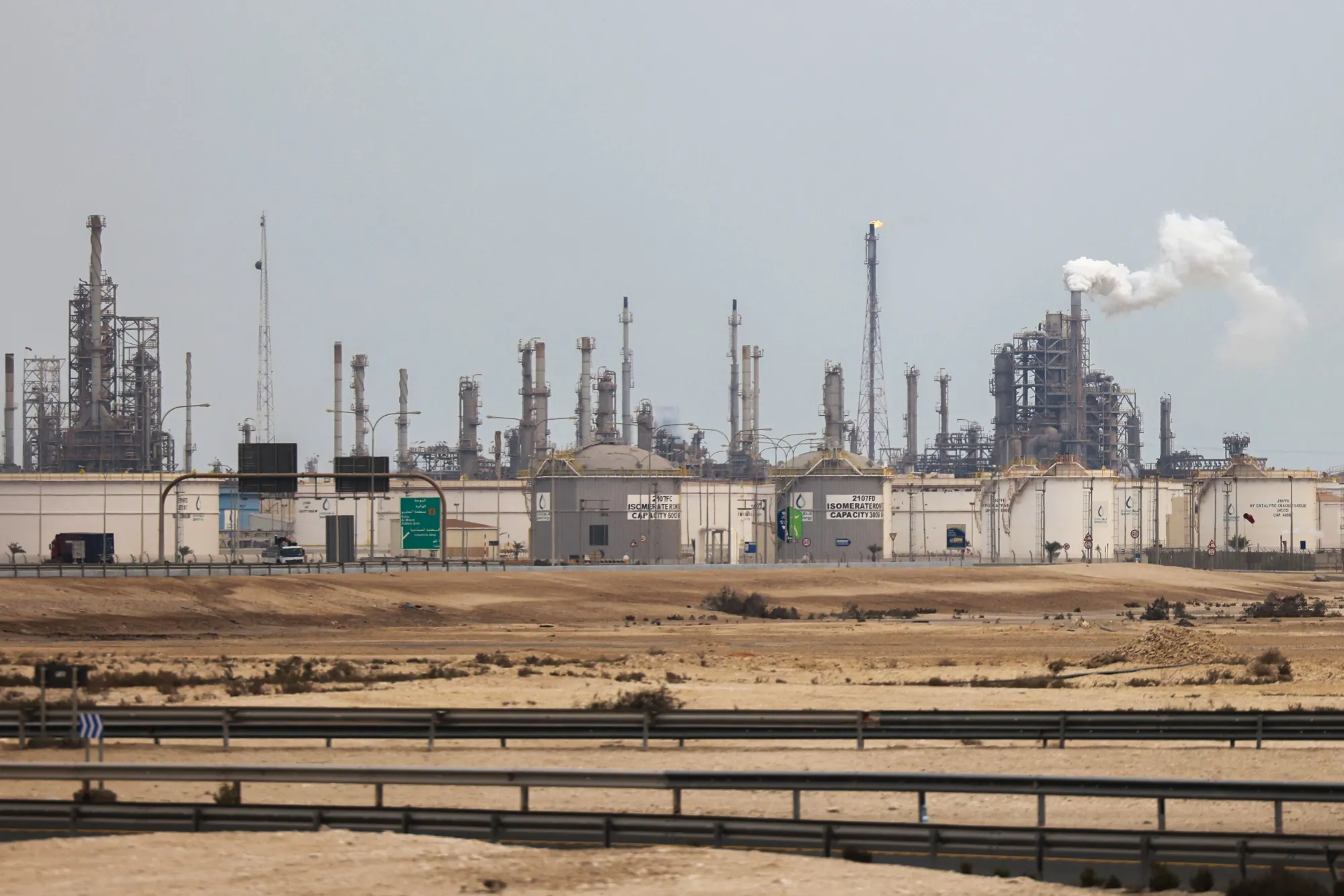
Asian liquefied natural gas (LNG) customers of Qatar anticipate that the supplier, QatarEnergy, will allow its force majeure to expire in the middle of next month. This expectation comes as regional tensions ease and the Persian Gulf producer increases its exports. The force majeure is projected to conclude on June 26, 2026, at 9:16 AM UTC, marking a significant moment for global energy markets and supply chain stability. For Asian buyers, this anticipated expiration signals a return to more predictable supply schedules and contractual certainty after a period of heightened regional instability.
Signs of Expiration
QatarEnergy has not indicated it will renew the force majeure clause for its customers in Asia, according to people with knowledge of the matter. This lack of communication regarding an extension is a key indicator for market participants. These individuals, who requested anonymity because they are not authorized to speak to the media, noted that the company typically notifies customers about one month before extending such a declaration. Their statement suggests QatarEnergy intends to let the force majeure lapse without renewal, a move that would be widely welcomed by its international clientele. This pattern aligns with expectations among Asian buyers that the declaration will expire as scheduled, reinforcing confidence in the supplier's commitment to its long-term contracts. The absence of any official notice for renewal is being interpreted as a clear signal of the impending conclusion of the force majeure period.
Easing Regional Tensions
The easing of regional tensions is seen as a key factor contributing to the anticipated expiration of QatarEnergy's force majeure. The Persian Gulf region has experienced a period of de-escalation, which has positively impacted shipping and energy supply routes. This development allows for greater stability in operations for producers like QatarEnergy, headquartered in Doha, and facilitates more predictable deliveries to its customers in Asia. The improved security outlook around vital energy infrastructure, including facilities in Mesaieed Industrial City, supports the decision to potentially allow the force majeure to lapse. This environment reduces immediate risks that might otherwise necessitate such protective clauses in supply contracts, offering a more secure operational landscape for the world's leading LNG exporter. The reduction in geopolitical friction directly translates to fewer disruptions in the critical maritime passages used for LNG shipments.
Increased Export Capacity
Qatar, a major global liquefied natural gas (LNG) exporter, has been actively expanding its production capabilities. This expansion is expected to bolster its ability to meet international demand, particularly from Asian markets. The increased capacity is part of QatarEnergy's long-term strategy to reinforce its position as a reliable energy supplier, ensuring it can fulfill its obligations even amidst fluctuating global demand. This strategic move includes significant investments in its North Field expansion projects, which aim to substantially raise the country's LNG output. Such developments contribute to the overall stability of global energy markets by providing a more strong supply base. The additional export capacity from facilities located in Mesaieed Industrial City will allow QatarEnergy to enhance its delivery commitments to customers, mitigating concerns about supply shortages. These projects are key for Qatar to maintain its competitive edge and ensure a consistent supply of LNG to its partners worldwide. The ramp-up in export capabilities further strengthens the rationale for letting the force majeure expire, as the producer is better equipped to handle potential disruptions.
Market Expectations
Asian buyers of liquefied natural gas from QatarEnergy are largely anticipating the expiration of the force majeure, viewing it as a return to more predictable supply schedules. This outlook aligns with recent signals from the Qatari state energy company, which has been steadily increasing its export volumes. The move is expected to stabilize contract arrangements for Asian customers, providing them with greater certainty in their energy procurement planning. The conclusion of the force majeure period is anticipated to foster renewed confidence in the long-term reliability of Qatar as a key energy provider. This development is particularly important for nations heavily reliant on LNG imports to meet their energy needs.