From the archive
Ceasefire Monitoring Mission Deploys in Eastern Congo
A ceasefire monitoring mission has deployed in eastern Congo to observe a peace deal between Congolese forces and Rwandan-backed rebels, marking a first…
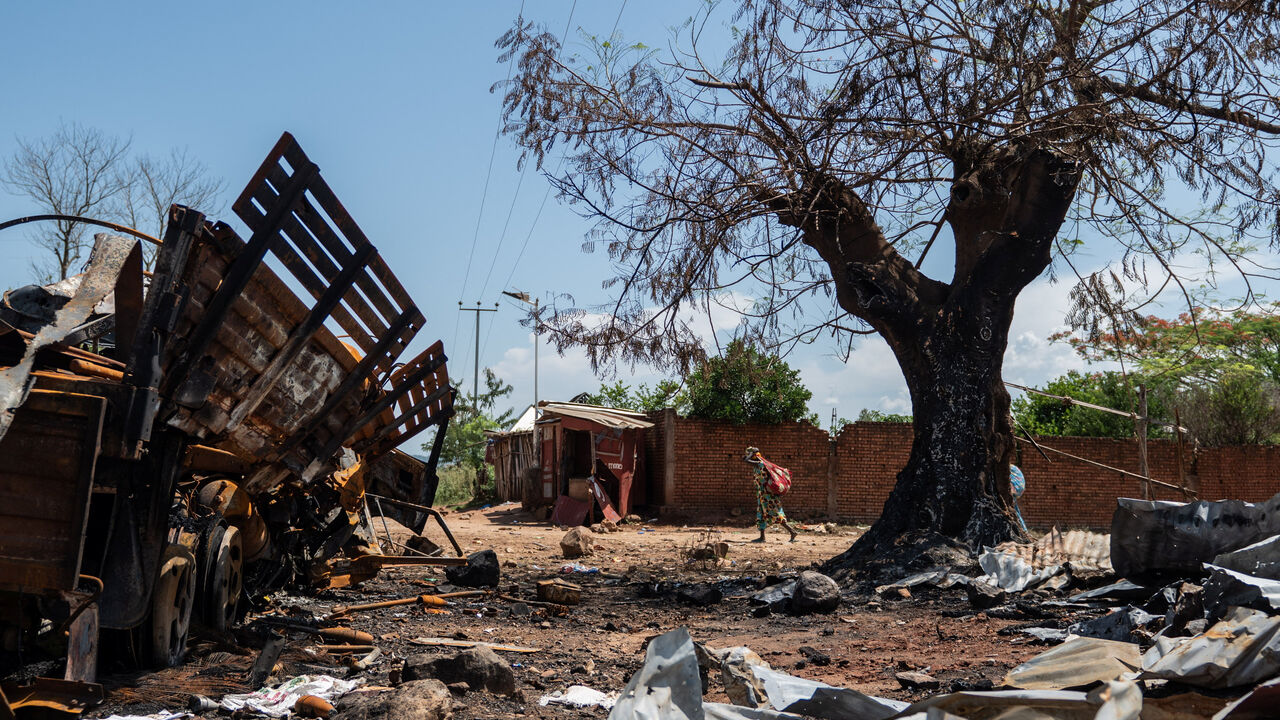
A mission to observe the implementation of a ceasefire between Congolese forces and Rwandan-backed rebels commenced on Monday in eastern Congo. This deployment marks the first field operation under a monitoring mechanism established by a Qatari-mediated peace deal signed last year. The agreement, signed in November 2025, aims to bring stability to the volatile region, which has been plagued by conflict involving numerous armed groups. The initiation of this monitoring mission represents a tangible step forward in the peace process, following extensive diplomatic efforts. Its primary goal is to ensure adherence to the ceasefire terms and to build confidence between the warring factions.
Mission Location and Recent Clashes
The mission is taking place in the town of Minembwe, located in the South Kivu province, a region long affected by insecurity. This specific area has recently experienced a significant surge in fighting between AFC/M23 rebels and government forces, showing the urgency and necessity of the monitoring mission. The ongoing hostilities highlight the challenges inherent in implementing a lasting peace. On Monday, the AFC/M23 accused government forces of shelling a village near Minembwe. The rebels stated that the shelling resulted in civilian casualties and the displacement of residents from the area, further complicating the already fragile situation on the ground. These accusations are particularly concerning as the monitoring mission begins its work.
Qatari-Mediated Peace Process
The Qatar-mediated talks began last year following a lightning offensive by the AFC/M23 in eastern Congo, which saw the group seize the region's two largest cities. This offensive dramatically escalated tensions and prompted international calls for a peaceful resolution. Both sides subsequently signed a peace deal in November 2025 in Doha. The agreement established a full framework for a broader peace accord and specifically for the implementation of ceasefire monitoring arrangements. This framework is designed to provide a structured approach to de-escalation and conflict resolution. After staging their offensive last year, the rebels continue to control large swathes of eastern Congo, according to reports. The ongoing presence of the rebel group and the recent ceasefire mission highlight the significant challenges of stabilizing the region and ensuring the full withdrawal of armed elements. The peace deal in Doha also laid the groundwork for further negotiations on political and security matters.
Parallel Diplomatic Efforts
Congolese government and AFC/M23 representatives met in Switzerland last week, where they agreed on a new roadmap for negotiations. This meeting signifies ongoing efforts to find a diplomatic resolution to the conflict through multiple channels. The roadmap is expected to guide future discussions and build on the progress made in previous talks. The Doha process, which established the current ceasefire monitoring mission, is running parallel to separate U.S.-mediated talks between Congo and Rwanda. These concurrent diplomatic initiatives aim to address the multifaceted challenges contributing to instability in the region, including cross-border tensions and regional security concerns. The involvement of various international mediators shows the complexity of the conflict and the global interest in its resolution.
Confidence-Building Measures
Earlier this month, Congolese authorities released 15 prisoners as a confidence-building measure. The prisoners were subsequently handed over to the AFC/M23 rebels. This action came as part of ongoing efforts to de-escalate tensions and facilitate dialogue between the parties in eastern Congo. The exchange aimed to foster trust ahead of the deployment of the ceasefire monitoring mission and parallel diplomatic initiatives, demonstrating goodwill from the Congolese government. Such measures are considered key steps in creating an environment conducive to sustained peace negotiations and can help to bridge the deep-seated mistrust between the factions. The release marked a tangible step towards implementing agreements reached in various peace processes, including the Qatari-mediated talks and discussions held in Switzerland, signaling a commitment to the peace process from both sides.