From the archive
CRPD Implementation: NHRIs Championing Rights-Based Approach
NHRIs, led by Maryam bint Abdullah Al Attiyah, champion the CRPD's rights-based approach, ensuring persons with disabilities are recognized as…
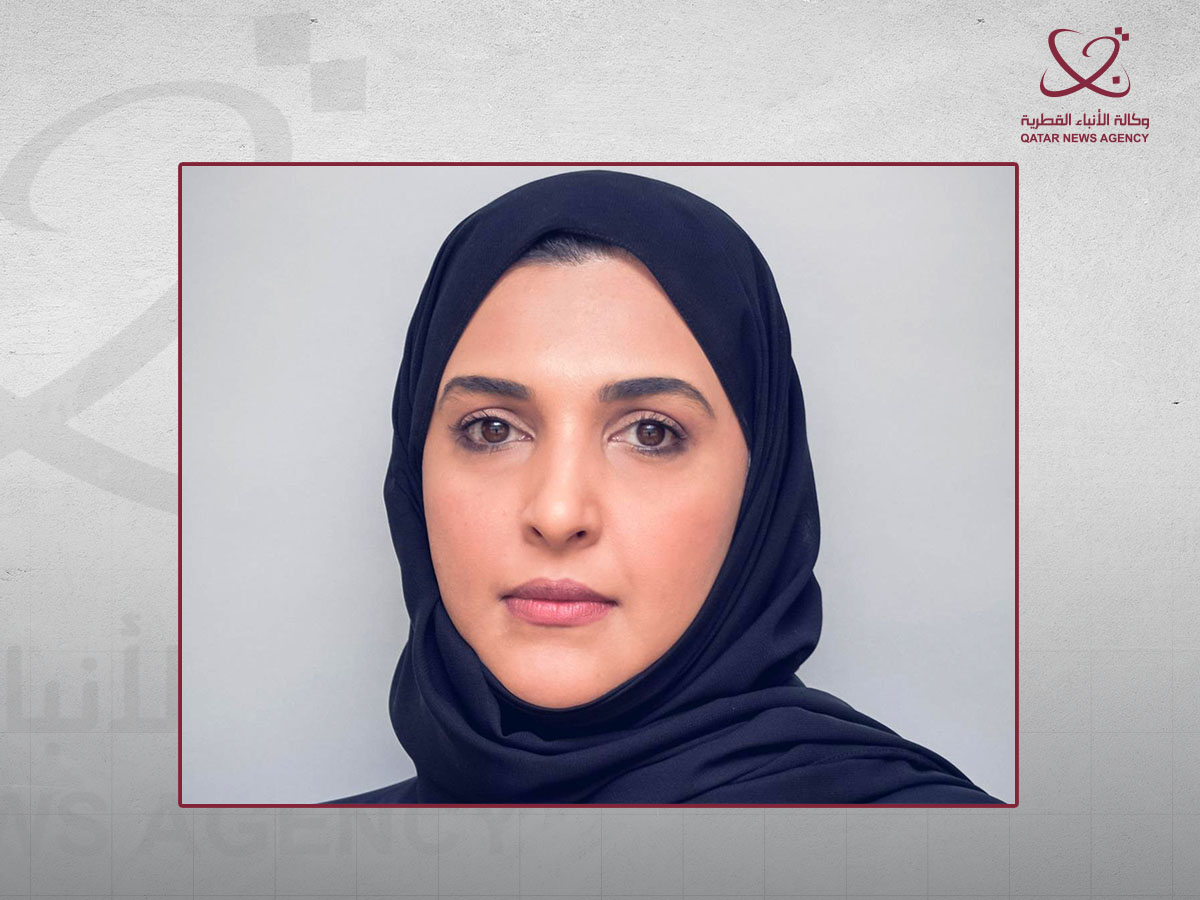
HE Chairperson of the National Human Rights Committee (NHRC), Maryam bint Abdullah Al Attiyah, delivered a speech at the 19th Session of the Conference of States Parties to the CRPD (COSP19) at the United Nations headquarters in New York City, addressing the critical role of National Human Rights Institutions in implementing the Convention. Her address showed the ongoing commitment required from international bodies and national institutions to uphold the rights of persons with disabilities globally. Al Attiyah stated that "the Convention on the Rights of Persons with Disabilities (CRPD) marked a global turning point, shifting from a welfare-based approach to a rights-based approach." This paradigm shift recognized persons with disabilities as rights-holders, entitled to full and equal participation in society. Her Excellency further emphasized that "National Human Rights Institutions (NHRIs) play a key role in promoting the CRPD's effective implementation and ensuring that persons with disabilities enjoy their rights on an equal basis with others." This includes advocating for legislative changes, monitoring compliance, and raising public awareness.
NHRIs' Key Implementation Role
The National Human Rights Committee (NHRC) has established a specialized unit dedicated to the rights of persons with disabilities and launched a Protection and Empowerment Program. This program aims to strengthen the effective protection of rights and address associated challenges through partnerships with relevant stakeholders. The establishment of this specialized unit reflects the NHRC's proactive approach to safeguarding these fundamental rights. Through the Protection and Empowerment Program, the NHRC seeks to foster collaborative efforts with civil society organizations, government agencies, and communities to create a more inclusive environment. National Human Rights Institutions (NHRIs) play a multifaceted role in this context, according to HE Maryam bint Abdullah Al Attiyah. "NHRIs contribute to aligning national legislation with the Convention's provisions, participating in the development of national policies and plans, monitoring implementation and identifying challenges, and promoting a culture of rights and empowerment," Al Attiyah stated. This full involvement ensures that the spirit and letter of the CRPD are integrated into national frameworks and daily practices.
The Chairperson also noted the ongoing challenges in ensuring these rights are realized. "The current primary challenge is not merely recognizing rights, but ensuring that persons with disabilities actually get to enjoy them in their daily lives equally," she said, adding that "Legislation is only the beginning of the journey." This statement shows the need to move beyond legal recognition to practical, tangible improvements in the lives of persons with disabilities. Al Attiyah emphasized the necessity of inclusive participation, noting that "the CRPD's effective implementation cannot be achieved without the active participation of persons with disabilities and the organizations that represent them in setting policies, legislation, and programs that affect their lives, embodying the principle of representation." Such participation is vital for ensuring that policies are relevant, effective, and truly reflective of the needs and aspirations of the community.
Qatar's Legislative Progress
The National Human Rights Committee (NHRC) has actively contributed to Qatar's legislative advancements regarding the rights of persons with disabilities. The NHRC encouraged the creation of a dedicated law on these rights in Qatar and engaged in extensive discussions on its draft. This initiative demonstrates a strong national commitment to aligning local laws with international human rights standards. The Committee further submitted observations and recommendations to ensure the proposed legislation's full compliance with the Convention on the Rights of Persons with Disabilities (CRPD) before its enactment in 2025. These recommendations were key for strengthening the legal protections and ensuring that the new law would effectively address the diverse needs of persons with disabilities.
Her Excellency Maryam bint Abdullah Al Attiyah, Chairperson of the NHRC, affirmed the Committee's involvement, stating, "NHRC encouraged the issuance of a law on the rights of persons with disabilities in Qatar, participated in discussions on the draft law, and submitted observations and recommendations to ensure its full compliance with CRPD before it was enacted in 2025." This proactive engagement shows the NHRC's commitment to embedding international human rights standards into national legal frameworks, aiming to safeguard and promote the rights of persons with disabilities within Qatar. The legislative process involved thorough reviews and stakeholder consultations, aligning the national law with the principles and provisions of the CRPD. This collaborative approach ensures a strong and inclusive legal framework.
Current Challenges and Future Outlook
Twenty years after the Convention on the Rights of Persons with Disabilities (CRPD), ensuring the enjoyment of rights in daily life remains the primary challenge. Her Excellency Maryam bint Abdullah Al Attiyah, Chairperson of the National Human Rights Committee (NHRC), emphasized that "the current primary challenge is not merely recognizing rights, but ensuring that persons with disabilities actually get to enjoy them in their daily lives equally." This statement notes a persistent gap between legislative recognition and practical implementation. This challenge is further compounded by various global issues.
Persons with disabilities face additional suffering in territories and areas affected by conflicts and humanitarian crises. Accessing essential services, care, and protection becomes significantly more severe in these environments, compounding existing vulnerabilities. The disruption of infrastructure, displacement, and breakdown of social support systems disproportionately affect persons with disabilities, often leaving them without key aid and support. The Convention's 20th anniversary provides a key opportunity for a candid assessment of the progress made since its adoption. This milestone should encourage a renewal of political will to address existing gaps and accelerate the pace of CRPD implementation globally, aiming to translate rights into lived realities for all persons with disabilities. This honest assessment and renewed commitment are essential to advance the agenda of disability rights and achieve true inclusion for all.