From the archive
Doha Design District Explores 'Space and Place' in Urban Development
The Doha Design District hosted a dialogue on 'Space and Place,' exploring urban development and architectural identity in Qatar.
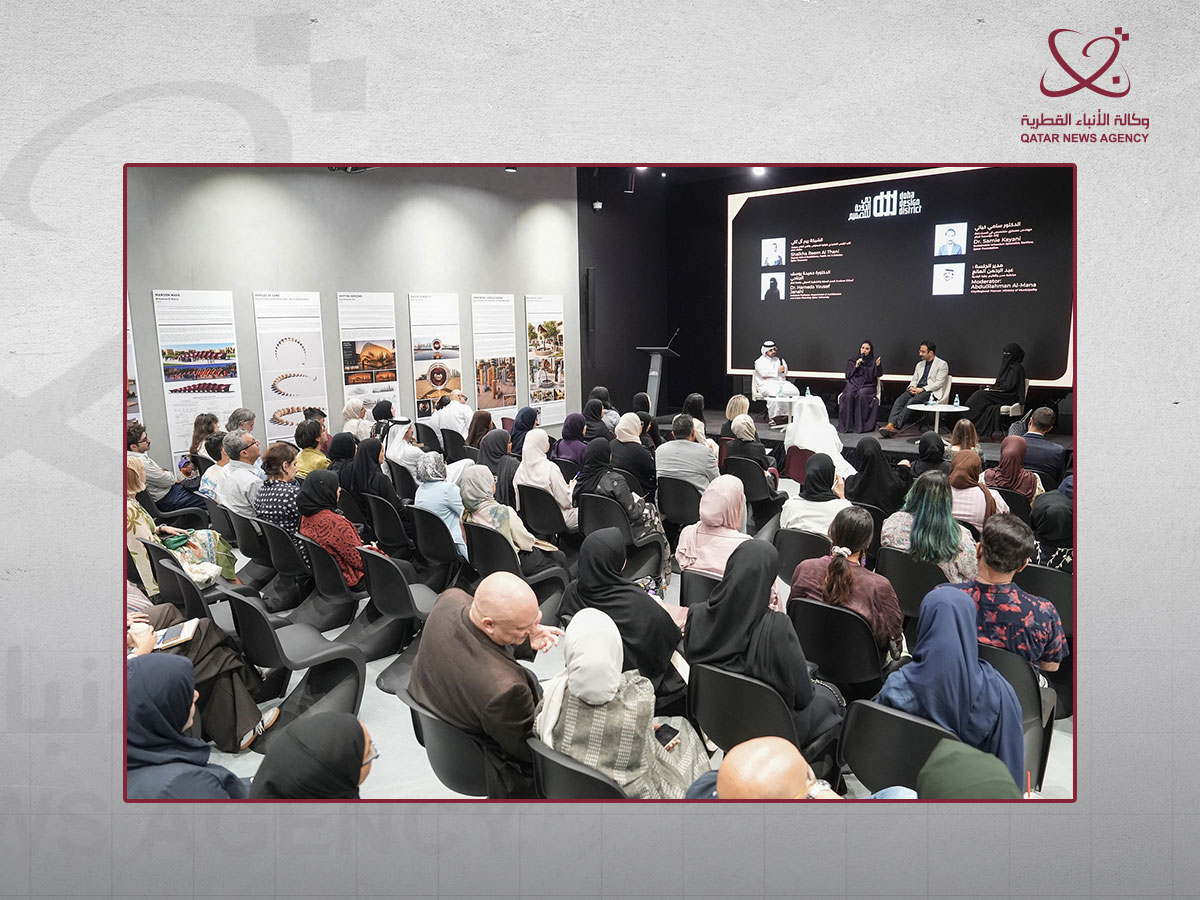
The Doha Design District, an initiative of Msheireb Properties, recently hosted a dialogue session titled "Between Space and Place." This insightful event convened to discuss the conceptual differences between space and place, specifically examining their development and evolution within Qatar over time. This event aimed to foster a deeper understanding of urban dynamics and architectural identity within the nation's rapidly changing landscape, exploring how these concepts are integral to shaping sustainable and meaningful urban environments. The discussion offered valuable perspectives on how design and planning can contribute to the creation of vibrant communities.
Defining Space and Place
The discussion within the Doha Design District session centered on the intricate relationship between humans, the built environment, and the specific places they inhabit. Participants explored how these elements interact to create meaning and functionality in urban settings, moving beyond mere physical structures to consider the human experience. This full approach noted that while space can be a neutral, objective area, a place is imbued with meaning, memories, and social interactions, making it unique and significant to its users.
The session further emphasized the significant role of cultural, social, and environmental factors in shaping the distinct identity of a place. Experts analyzed how these influences contribute to the unique character and evolution of Qatar's urban developments, ensuring that new constructions resonate with the local heritage and community values. Understanding these factors is key for crafting environments that are not only functional but also deeply connected to the people who inhabit them. The dialogue showed that successful urban planning must integrate these diverse elements to create truly authentic and enduring places.
The Evolution of Successful Places
Successful places are capable of evolving over time, reflecting the dynamic interaction between urban planning, community needs, and the ways people choose to inhabit and utilize their surroundings. This evolutionary process allows environments to adapt and remain relevant to their inhabitants, ensuring their longevity and continued success. The capacity for a place to transform and grow is a hallmark of effective urban design, demonstrating responsiveness to changing demographics and societal requirements.
Neighborhoods often develop organically around existing communities, with initial growth focusing on housing. Over time, these areas can integrate additional elements such as green spaces or new markets, responding to the evolving requirements of residents. This incremental development contributes to the distinct character of an area, allowing it to mature gracefully and sustainably. The organic growth patterns observed in many successful neighborhoods illustrate how community-driven needs can shape urban form and function over generations.
Place-making is not a fixed formula but rather a continuous evolution of ideas. It is shaped by the changing ways people understand and interact with their environments, requiring ongoing adaptation and responsiveness to new perspectives and community dynamics. This iterative process acknowledges that urban environments are living entities, constantly being redefined by their users. The dialogue noted that a place can gradually become vibrant even if it wasn't originally designed as a specific destination. This transformation occurs precisely because people settle in it, interact with it, and through their engagement, a real need for its existence arises, fostering a sense of ownership and belonging.
Insights from Traditional Urbanism
Traditional Fereej (neighborhoods) in Doha, alongside the broader principles of Arab-Islamic urbanism, demonstrate the multi-layered character of historical urban environments. These traditional structures offer rich and diverse experiences that foster interaction among various segments of society. Such environments are designed to respond effectively to specific cultural, social, and environmental needs, reflecting a deep understanding of community dynamics. The intricate layouts and communal spaces found in these traditional settings serve as valuable case studies for contemporary urban planners seeking to create cohesive and culturally resonant places. They exemplify how thoughtful design can integrate social functions with environmental considerations, promoting a sense of shared identity and collective well-being.
Expert Panel and Future Outlook
The session formed part of the "Design Talk" series, which aims to foster discussions on design and urban development, shedding light on critical aspects of urban growth. Participants explored how a place can achieve vibrancy even if it was not initially conceived as a specific destination. This transformation occurs as individuals settle within the area, engage in interactions, and generate a genuine need for its existence, ultimately giving it a unique identity and purpose. The dialogue brought together specialists from various institutions, including the Ministry of Municipality, Qatar Museums, Qatar University, and M7, which is part of Qatar Foundation. These experts contributed diverse perspectives on the evolution of urban spaces and their role in community building, enriching the discussion with their varied fields of expertise and practical insights. Their collective input showed the interdisciplinary nature of successful place-making and the importance of collaboration across different sectors to achieve sustainable urban development.