From the archive
Fitch Upgrades Qatar's Rating Outlook, Cites Reduced LNG Risks
Fitch Ratings upgrades Qatar's outlook to AA, citing reduced risks to its vital LNG facilities. Geopolitical concerns remain.
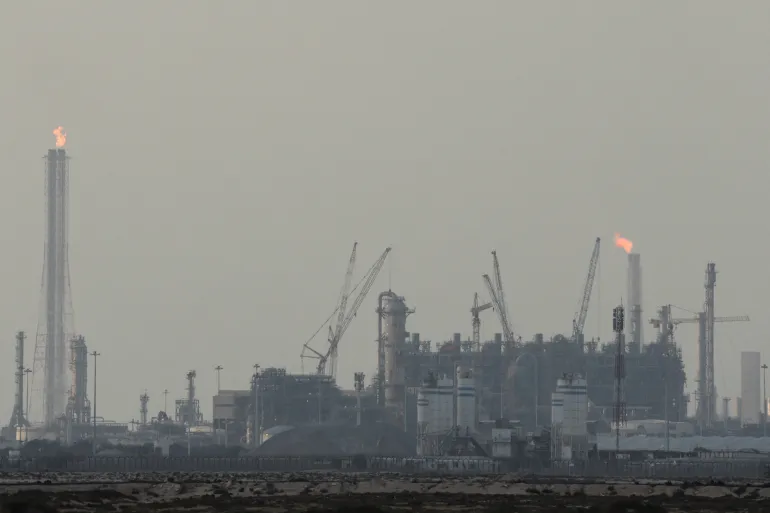
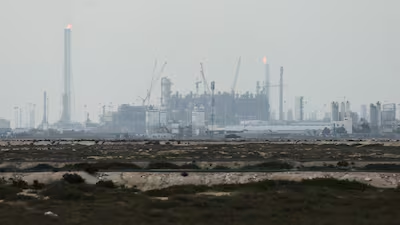
Fitch Ratings announced on Friday that it removed Qatar from "Rating Watch Negative" while maintaining its sovereign rating at AA. The agency cited a reduction in risks to Qatar's liquefied natural gas (LNG) facilities since March. This decision reflects a reassessment of immediate threats to the key energy infrastructure of the Gulf nation. Qatar is one of the world’s largest gas exporters, with significant facilities located in Ras Laffan Industrial City, making the security of these operations critical for global energy markets. Despite the positive adjustment, Fitch Ratings stated, "The impact of the war on the credit profile will take longer to discern," indicating a cautious long-term outlook.
Lingering Geopolitical Concerns
Despite the improved outlook on immediate LNG facility risks, ongoing challenges persist. Ongoing risks continue to surround the movement of gas exports through the blockaded Strait of Hormuz, a critical chokepoint for global energy trade. Qatar also faces export disruptions and shortages, which are attributed to damaged energy facilities during the war on Iran. The conflict in Iran began six months ago, contributing to the persistent regional instability that affects shipping lanes and energy production. Despite the recent positive adjustment to Qatar's rating outlook, Fitch kept a negative outlook on the sovereign rating. This negative outlook reflects the agency's assessment of ongoing geopolitical challenges and their potential impact on Qatar's economic stability and its critical energy export infrastructure. The situation shows the continued vulnerability of energy supply chains in the region, noting the complex interplay between regional security and economic performance.
Broader Economic Resilience
S&P and Moody's, other major credit rating agencies, affirmed Qatar's ratings earlier this year. These agencies noted that Qatar possesses a sizeable financial cushion, which helps to protect the nation from the economic impact of the ongoing conflict. This financial resilience is seen as a key factor in mitigating potential risks associated with regional instability and potential disruptions to its primary export revenue streams. The affirmations by S&P and Moody's align with Fitch Ratings' recent assessment of Qatar's economic stability, despite the lingering geopolitical concerns in the region. The country's substantial reserves and strategic investments are understood to provide a significant buffer against external shocks, enhancing its capacity to absorb economic pressures arising from regional tensions. This strong financial position is a cornerstone of its sovereign creditworthiness.
Analyst Commentary
Credit rating agencies continue to closely monitor the geopolitical landscape affecting key energy exporters like Qatar. Fitch Ratings' decision to revise its outlook reflects a specific assessment of reduced immediate risks to vital infrastructure, particularly Qatar's liquefied natural gas (LNG) facilities. This targeted improvement in risk perception for its energy assets is a notable development. The broader credit ratings from S&P and Moody's also show Qatar's financial resilience, citing a substantial financial cushion that helps absorb potential economic shocks from regional instability. This consensus among agencies notes the dual consideration of evolving geopolitical risks and inherent economic strengths when evaluating sovereign creditworthiness in the Gulf region. Analysts remain focused on the long-term implications of regional conflicts on energy supply chains and the broader economic stability of the region.
Rating Agency Rationale
Fitch Ratings' decision to remove Qatar from "Rating Watch Negative" and affirm its AA sovereign rating stems from a reassessment of immediate risks. The agency specifically cited a reduction in direct threats to Qatar's liquefied natural gas (LNG) facilities, particularly those located in Ras Laffan Industrial City, since March. This adjustment reflects a more stable outlook regarding the physical security of these critical energy assets, which are vital for Qatar's economy and global energy supply. While Fitch maintained a negative outlook on the sovereign rating overall due to broader geopolitical instability, the immediate concerns over LNG infrastructure were mitigated. This differentiation indicates Fitch's granular approach to evaluating various risk factors affecting Qatar's credit profile, distinguishing between direct infrastructure threats and wider regional instability.