From the archive
Iran Central Bank Chief Visits Qatar Amid Frozen Assets Talks
Iran's central bank chief visits Qatar for talks on releasing frozen international reserves, a key element in ongoing negotiations with the United States.
The head of Iran's central banking system undertook a diplomatic visit to Qatar on Monday, engaging in what officials described as shuttle diplomacy. This high-level engagement marks a significant step in ongoing efforts to resolve an intricate and protracted standoff between Tehran and Washington. The primary objective of this initiative, deeply rooted in diplomatic maneuvering, is to address critical financial issues. The frozen funds held abroad constitute a central element of these Pakistan-facilitated talks between the Iranian and American administrations, according to official reports and diplomatic sources. This diplomatic engagement notes the persistent efforts by both sides, with the aid of intermediaries, to find common ground on contentious financial matters. The visit itself serves as a tangible manifestation of the commitment to dialogue, even amidst significant geopolitical tensions.
Diplomatic Push for Funds
Central Bank Governor Abdolnaser Hemmati's visit to Qatar shows Iran's ongoing efforts to unblock and gain access to capital reserves held in various foreign jurisdictions. These substantial reserves include significant sums currently frozen within Qatar, which Tehran is actively seeking to repatriate. The importance of these financial holdings to Iran's economy and its international standing cannot be overstated. Prior to this visit, Qatari representatives previously traveled to Iran's capital, Tehran, for consultations specifically concerning these substantial financial holdings that remain inaccessible abroad. These earlier consultations laid important groundwork for the current discussions, demonstrating a sustained commitment from both sides to address the issue. The recovery of these assets is now emerging as a key negotiating objective for Iran within broader diplomatic dialogues, signifying its strategic importance in the overall framework of negotiations. This persistent diplomatic push seeks to resolve the protracted issue of Iran's frozen funds, which have been a consistent point of contention in its international financial relations for an extended period. The successful resolution of this financial impasse is seen as key for broader de-escalation and improved relations.
Background to Negotiations
The current diplomatic efforts unfold against a backdrop of recent military confrontations that significantly intensified following coordinated American and Israeli air operations launched against Iranian targets in February. These military actions marked a severe escalation in regional tensions. In response to these operations, Tehran executed retaliatory strikes directed at Israeli installations and American-aligned nations operating in the strategically vital Persian Gulf region. The heightened hostilities and the immediate aftermath of these exchanges led directly to restrictions being implemented on maritime commerce through the vital Strait of Hormuz, a critical choke point for global oil supplies. The imposition of these restrictions showed the severe economic and logistical consequences of the military escalation. A truce arrangement subsequently entered into force on April 8, which was effectively brokered through Pakistani intermediation. This ceasefire marked a key de-escalation after a period of heightened tensions, setting a new stage for diplomatic efforts to address underlying issues that had fueled the conflict. The truce established a necessary framework for further discussions, contributing directly to the context in which the current financial negotiations are taking place and offering a window for sustained dialogue.
US President's Stance
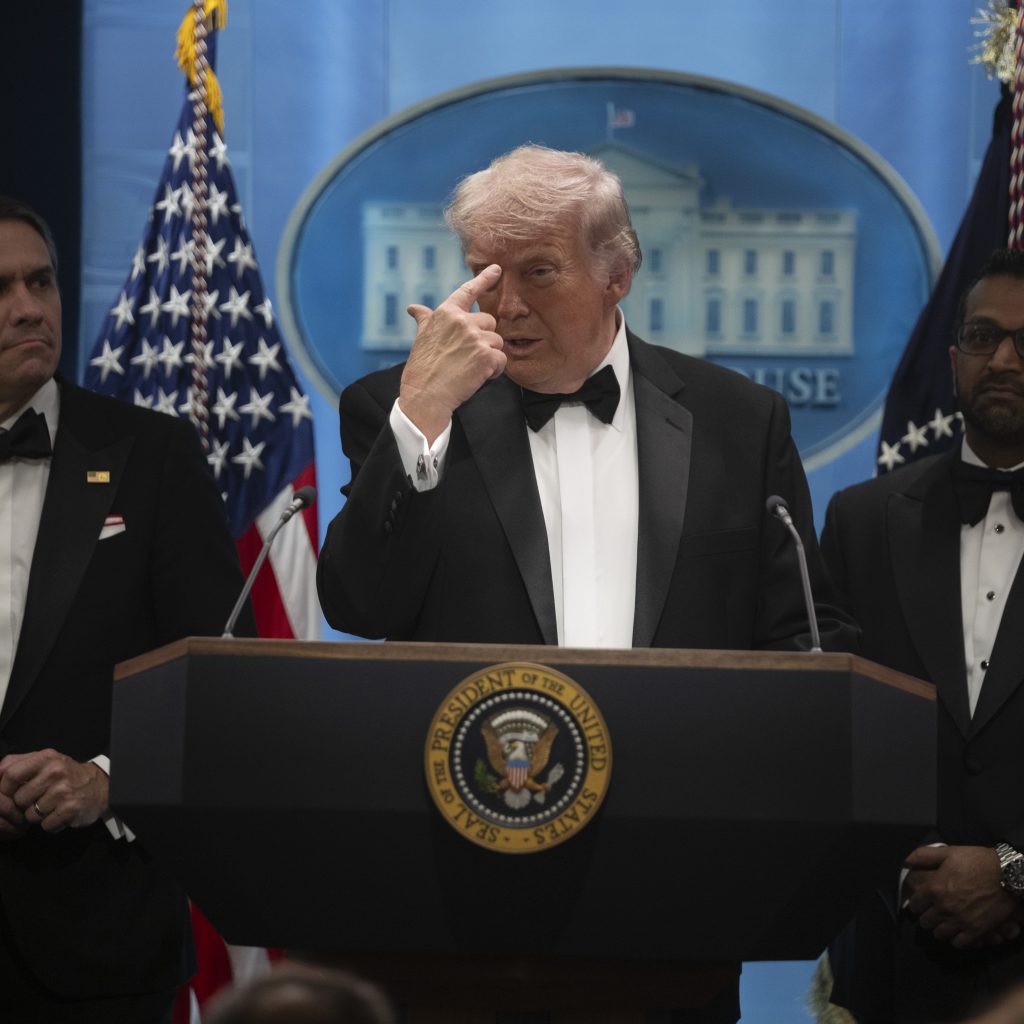
American President Donald Trump extended the ceasefire without temporal limitation, according to official statements issued by his administration. This indefinite extension provided a key period of stability, allowing diplomatic channels to operate more effectively. The president also described diplomatic efforts to resolve the broader conflict, emphasizing the full nature of the ongoing discussions. During remarks made Saturday, President Trump characterized negotiations aimed at achieving full conflict resolution as "substantially complete, awaiting only concluding formalities before implementation." This assessment by President Trump suggests a strong belief that the core issues under discussion have largely been addressed and that the entire process is nearing its final stages. His remarks indicate a belief that the groundwork for a lasting resolution has been meticulously laid, with only procedural steps remaining before agreements can be fully finalized and formally implemented. The indefinite extension of the ceasefire provides a stable and conducive environment for these concluding formalities to proceed without the immediate pressure of renewed hostilities, fostering an atmosphere more amenable to the successful culmination of diplomatic endeavors.