From the archive
Iran Strikes US Bases, Conducts Naval Operations Amid Regional Tensions
Iran missile strikes severely damaged the US Combined Air Operations Center at Al Udeid Air Base in Qatar and conducted naval operations in the Oman Sea…
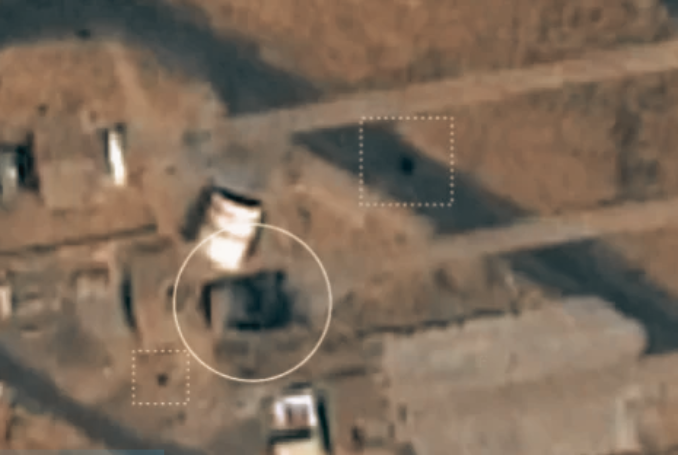
Iranian missile strikes inflicted severe damage on the Combined Air Operations Center (CAOC) at Al Udeid Air Base in Qatar. The facility, located in the Gulf nation, has functioned as the central command for American air operations across the Middle East for over two decades, serving as the nerve center for American air operations throughout the region. The damage to the CAOC represents a significant disruption to US regional military infrastructure, noting the escalating tensions and the direct impact of Iranian actions on American strategic assets.
Widespread Damage Reported Across US Military Sites
At least 217 structures and 11 pieces of equipment at US military sites across the Middle East have been damaged or destroyed since the war began on February 28, according to reports. This extensive damage shows the widespread nature of the attacks. Damage was identified at 15 US military sites across Kuwait, Bahrain, Qatar, Jordan, Saudi Arabia, and the United Arab Emirates. The geographical spread of these incidents indicates a broad targeting strategy by Iranian forces or their proxies. Some of the most significant damage was concentrated at Naval Support Activity Bahrain, which hosts the US Navy’s 5th Fleet headquarters, and at three facilities in Kuwait: Ali al-Salem Air Base, Camp Arifjan, and Camp Buehring. These locations are critical to US military presence and operations in the Gulf.
Iranian strikes hit Patriot missile defense equipment in Bahrain and Kuwait, satellite communications sites at al-Udeid Air Base in Qatar, radomes at multiple facilities, and THAAD-related radar and equipment in Jordan and the UAE, reports indicated. The targeting of such advanced defense systems and communication infrastructure suggests an attempt to degrade US operational capabilities. Satellite imagery published by Iran’s ISNA news agency appeared to show the destruction of a hangar used for drones or aircraft at Ali Al Salem Air Base in Kuwait, providing visual evidence of the damage. Earlier this week, the UAE activated its air defenses against Iranian missiles and drones, demonstrating the immediate threat posed to regional allies and the necessity for strong defensive measures.
Iranian officials denied reports of enriched uranium transfers, stating that negotiations with Washington remain suspended. A source familiar with negotiations told the Iranian Fars News Agency that claims of Tehran agreeing to transfer part of its enriched uranium stockpile to a third country were entirely false. The source further noted that discussions were suspended following US attacks on commercial vessels south of Iran and continuing Israeli military operations in southern Lebanon, indicating a complex web of interconnected regional conflicts influencing diplomatic efforts. Beijing dismissed claims related to an alleged satellite transfer as untrue, adding another layer of international diplomatic maneuvering to the ongoing situation.
Naval Encounters and Maritime Control Zones
Iran's military announced naval operations in the Oman Sea, stating that Iranian forces compelled US vessels to alter course. The operation involved two US destroyers, DDG-103 and DDG-87, and the amphibious assault ship USS Tripoli, which subsequently departed the Oman Sea and headed toward the Indian Ocean. This interaction notes the direct and often confrontational nature of naval engagements in strategically vital waterways. Tehran formally announced the creation of a "maritime control zone" in the Strait of Hormuz on May 21. This zone delineates a controlled maritime area stretching between designated points connecting Iranian territory with the coast of the United Arab Emirates on both sides of the Strait of Hormuz, a critical chokepoint for global oil shipments. The declaration of such a zone has significant implications for international shipping and regional stability, asserting Iran's perceived control over a major international maritime passage.
Tehran denied targeting the UAE, claiming it was conducting "defense measures" aimed at US assets in the region. This statement positions Iran's actions as defensive responses to US military presence rather than unprovoked aggression against neighboring states. According to reports, Planet Labs stated it would indefinitely withhold imagery of Iran and the conflict region. This decision came in response to a US government request to satellite imagery providers, showing concerns about the dissemination of sensitive information during the conflict and the potential for such imagery to be used for targeting or propaganda. The move by Planet Labs reflects the broader challenges of information control and transparency in modern warfare.
Human and Operational Impact on US Forces
Seven U.S. Service members have been killed in strikes on U.S. Facilities in the region since the conflict began, according to reports, with six fatalities occurring in Kuwait and one in Saudi Arabia. These casualties represent a somber toll on American forces stationed abroad. More than 400 troops were injured by late April, reports indicated, though most returned to duty within days. However, at least 12 of those injured sustained serious injuries, requiring more extensive medical attention and recovery. The persistent threat of Iranian missile and drone attacks has also compelled commanders to reduce staffing levels at some regional bases, officials said, a measure taken to mitigate risks and protect personnel from potential strikes. This reduction in staffing can impact operational readiness and the overall execution of missions in the region.
Separately, reports indicated that the Islamic Revolutionary Guard Corps’ Aerospace Force secretly acquired a Chinese-built spy satellite in late 2024. This acquisition provides Tehran with a new capability to monitor U.S. Military bases across the Middle East during the ongoing conflict, enhancing Iran's intelligence-gathering capacities and potentially influencing its targeting decisions. The satellite's ability to provide surveillance over US installations represents a significant technological advancement for Iran. However, the IDF reportedly countered this development by destroying Iranian satellite-targeting capabilities in a rare strike, demonstrating a proactive measure to neutralize a perceived threat and limit Iran's strategic advantages. This counter-strike notes the continuous technological and tactical cat-and-mouse game being played out in the region.