From the archive
Iranian Delegation Arrives in Doha for Key US Talks
An Iranian delegation, including top officials, arrived in Doha for crucial talks with the US on peace efforts, the Strait of Hormuz, uranium, and frozen…
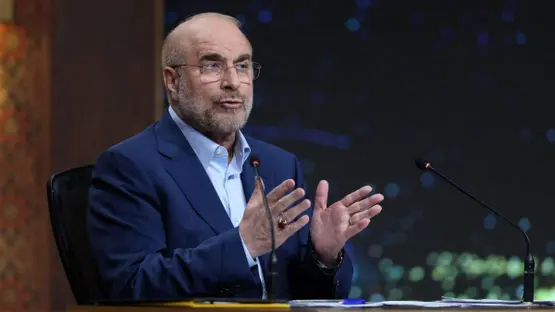
A high-level Iranian delegation, including the country’s top negotiator and central bank chief, arrived in Doha on Monday for discussions with the United States regarding a potential agreement and the release of frozen funds. Iran’s Parliament Speaker Mohammad Bagher Ghalibaf and Foreign Minister Abbas Araghchi were among those in Doha, a source briefed on the matter told AFP, for talks on ongoing diplomatic efforts to end the conflict. Iran’s official news agency IRNA confirmed the visit, stating, "This trip comes as part of the diplomatic process." The presence of such senior officials shows the significance Tehran places on these negotiations, aimed at addressing a range of pressing issues between the two nations. The arrival of the delegation in the Qatari capital signals a renewed push for de-escalation and potential resolution of long-standing disputes.
Key Issues on Agenda
The delegation’s agenda in Doha will focus on issues relating to the Strait of Hormuz and highly enriched uranium. These two critical areas represent significant points of contention between Iran and Western powers. The discussions are expected to delve into the specifics of maritime security in the vital Strait of Hormuz, a key global chokepoint for oil shipments, and the future of Iran's nuclear program, particularly its accumulation of highly enriched uranium. The presence of Iran's Central Bank governor within the delegation further shows the importance of discussions regarding frozen funds. This matter is specifically addressed in the Memorandum of Understanding (MoU) as a component of an eventual final deal, suggesting that financial aspects are central to any potential full agreement. The inclusion of economic specialists indicates that practical mechanisms for fund transfers and sanctions relief are high on the agenda.
According to reports from Fars news agency, Washington has agreed to release a portion of Tehran’s funds frozen abroad due to international sanctions. This reported agreement suggests a potential pathway for economic relief for Iran. In exchange, the United States would also end its naval blockade of ships traveling to and from Iranian ports. This reciprocal arrangement, as reported by Fars, is tied to Iran ending its own blockade of the Strait of Hormuz. Iran's actions in the Strait of Hormuz have previously halted key maritime exports, including Qatar’s liquefied natural gas (LNG) exports, impacting regional shipping. The potential lifting of these blockades by both sides would significantly de-escalate tensions and restore stability to one of the world's most important shipping lanes. The economic implications of such an agreement would be broad, potentially easing global energy markets and facilitating trade.
Mediators and Frozen Funds
Six billion dollars of frozen Iranian funds from South Korean banks were parked in Qatar in 2023. These funds were awaiting the release of five American citizens held by Iran, based on an earlier arrangement. This significant sum notes the financial stakes involved in these diplomatic maneuvers. However, the $6 billion in funds were never released, as ties between Washington and Tehran soured following Hamas’ October 7, 2023, attack on Israel. This event dramatically shifted the geopolitical landscape, complicating existing diplomatic efforts and leading to a freeze in the planned fund transfer. The failure to release these funds shows the fragility of agreements in the volatile Middle East.
Pakistan has served as a main mediator in the peace talks between the United States and Iran, playing a key role in facilitating dialogue between the two long-estranged nations over an extended period. More recently, Qatar has played a growing role in pushing for discussions between Iran and the United States. This engagement intensified in recent weeks, with Qatari Prime Prime Minister Sheikh Mohammed bin Abdulrahman Al Thani holding meetings earlier this month with US diplomat Marco Rubio and Vice President JD Vance in the United States. Qatar's increasing involvement reflects its strategic position and its consistent efforts to promote regional stability through diplomatic channels. The Qatari leadership has actively sought to bridge divides and foster communication, leveraging its relationships with both Washington and Tehran. These high-level meetings in the United States indicate a concerted effort by Qatar to lay the groundwork for productive negotiations and to maintain lines of communication open between the parties.
Broader Diplomatic Context
Iranian media outlets, including Tasnim and Fars news agencies, reported that the delegation to Doha included Iranian Foreign Minister Abbas Araghchi and Central Bank Governor Abdolnaser Hemmati. Their presence shows the multifaceted nature of the discussions, which encompass both political-security issues and critical economic considerations. The involvement of both diplomatic and financial leaders signals a full approach to resolving the complex array of challenges.
The current talks aim to achieve a full end to the war and ensure the full reopening of the Strait of Hormuz. These discussions have been ongoing since a ceasefire came into force on April 8, indicating a sustained diplomatic effort to stabilize the region. The ceasefire provided a key window of opportunity for these negotiations to take place, offering a respite from active hostilities. The goal of a "full end to the war" suggests that the discussions are not limited to immediate de-escalation but seek a more enduring peace settlement. The full reopening of the Strait of Hormuz is a key objective, vital for international trade and regional economic stability.
The diplomatic push follows a period of heightened tensions. Tehran launched missile and drone attacks against several Gulf states, including Qatar, in response to US and Israeli strikes on Iran. These strikes against Iran had commenced on February 28, marking a significant escalation that further complicated regional security dynamics. The retaliatory attacks by Iran showed the perilous cycle of escalation in the region, making the current diplomatic efforts all the more critical. The involvement of Qatar in the current mediation efforts is particularly notable given that it was among the countries targeted in Iran's response. This history notes the urgent need for a diplomatic solution to prevent further military confrontation and to establish a framework for lasting peace and security in the Gulf.