From the archive
Iranian Delegation in Doha for Asset Talks, Strait of Hormuz Discussions
Iranian delegation in Doha for talks on frozen assets and Strait of Hormuz security. Washington may agree to release funds.
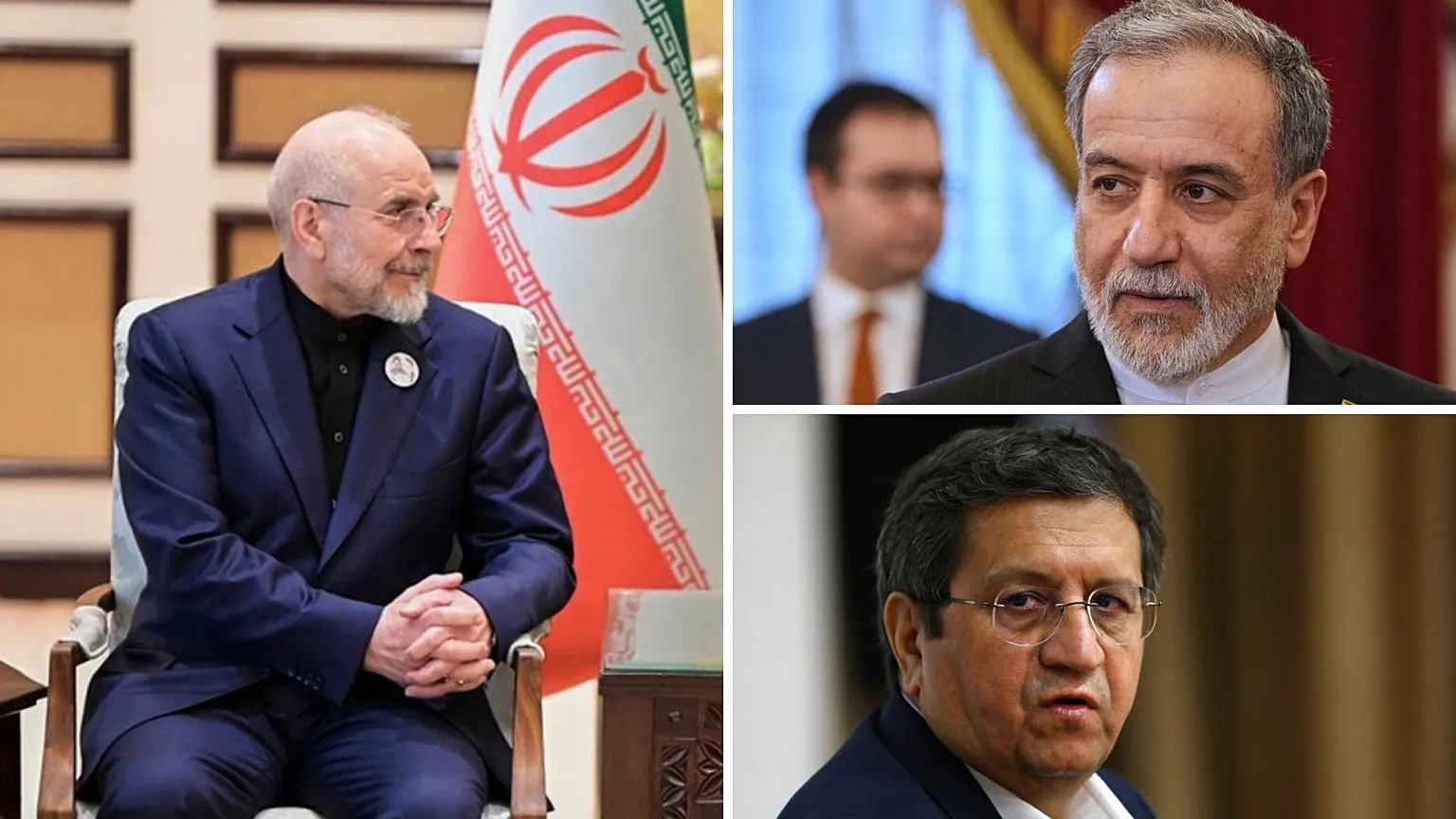
A high-level Iranian delegation arrived in Doha on Monday for full discussions with Qatari officials and other parties. The visit by the delegation to Qatar is specifically set to address the release of frozen Iranian assets and engage in critical talks concerning the security of the Strait of Hormuz. These discussions are considered vital for both Iran's economic stability and regional maritime safety. Foreign Minister Abbas Araghchi is part of the delegation, indicating the diplomatic significance of the meetings.
Frozen Assets and Potential Deal
The Iranian delegation in Doha is actively engaged in discussions regarding the nation's frozen assets, a key priority for Tehran. These assets, held overseas, represent a significant financial resource for Iran. According to Iran's state-run Fars news agency, Washington has agreed in principle to release part of Tehran’s frozen overseas assets, signaling a potential breakthrough in long-standing financial disputes. The exact amount of Iran’s assets that remain frozen in Qatar has not been clarified publicly, adding a layer of ambiguity to the ongoing negotiations. The talks are part of broader negotiations aimed at resolving financial disputes that have impacted Iran's economy for an extended period. The release of these funds could provide a substantial boost to the Iranian economy, which has been under considerable international pressure. Discussions are reportedly detailed, focusing on the mechanisms and timelines for the asset release.
Strait of Hormuz and Blockade
Discussions during the Iranian delegation's visit to Doha also involve sensitive issues related to the Strait of Hormuz, a critical global shipping lane. Anonymous sources familiar with the meeting stated that the talks covered "issues related to the Strait of Hormuz and highly enriched uranium," noting the multifaceted nature of the negotiations. These discussions are reportedly linked to the potential release of frozen Iranian assets, forming a reciprocal arrangement. In return for the release of these assets, restrictions in the Strait of Hormuz would be lifted, according to reports, potentially easing maritime tensions in the region. Additionally, the naval blockade on ships traveling to and from Iranian ports is expected to be lifted as part of the agreement for asset release. This would facilitate greater freedom of navigation and trade for Iran, impacting its ability to export goods and receive imports. The implications of such an agreement extend to global energy markets, given the Strait's importance for oil transit.
Context and Delegation Composition
The Iranian delegation in Doha is led by Parliament Speaker Mohammad Bagher Ghalibaf, showing the high-level nature and strategic importance Tehran places on these talks. Ghalibaf’s presence indicates that the discussions encompass significant financial and security matters, requiring leadership at the highest echelons of government. Accompanying Ghalibaf is Abdolnaser Hemmati, the central bank chief, whose involvement further emphasizes the critical focus on the release of frozen Iranian assets. Hemmati's expertise is key for navigating the complex financial aspects of the negotiations, which represent a primary objective of the discussions in Qatar. The inclusion of these key figures notes the full approach Tehran is taking to address both its economic concerns and regional security issues during the current visit. The composition of the delegation suggests that Iran is seeking a holistic resolution that addresses both its financial grievances and its role in regional maritime security. The engagement in Doha is seen as a significant diplomatic effort to advance Iran's interests on multiple fronts.