From the archive
Iran's Attacks on Qatar Could Spark Regional Realignment, Experts Warn
Experts warn Iran's attacks on Qatar could trigger a major regional realignment, as US policy shifts may leave Doha feeling isolated.
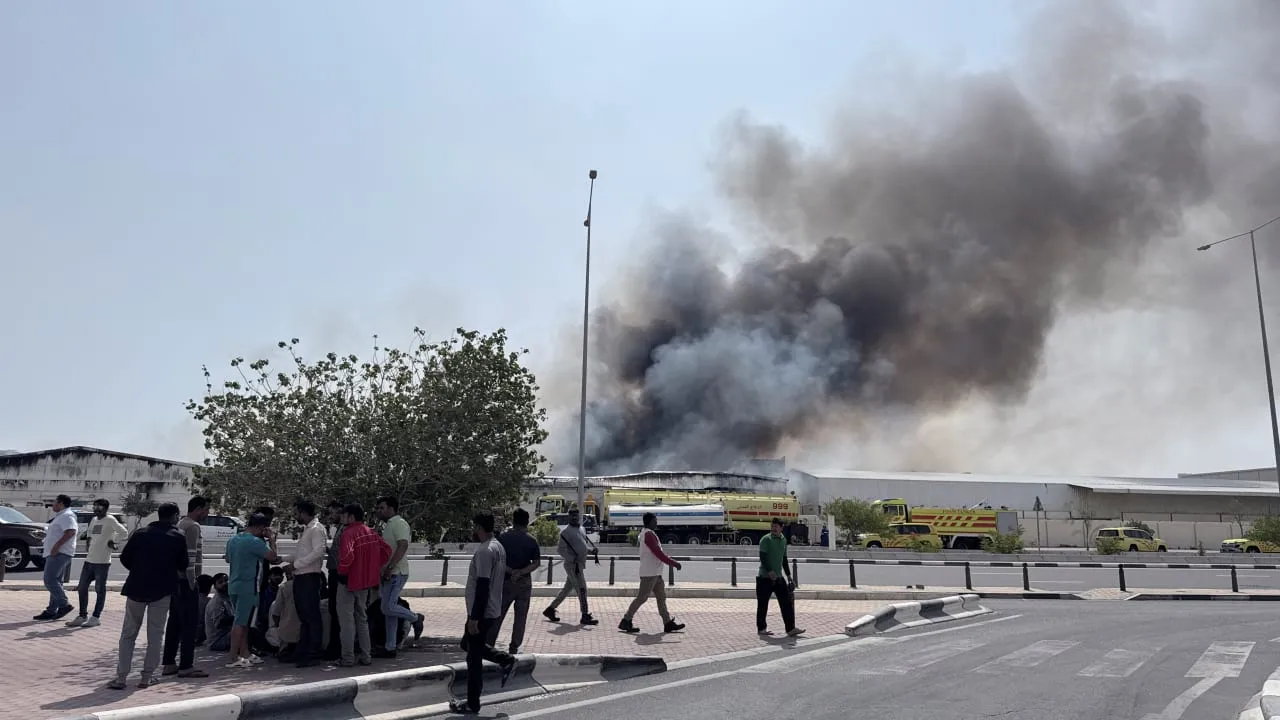
Experts suggest that Iran's recent actions against Qatar could trigger a significant realignment of alliances and strategies across the Middle East. This potential shift follows assessments by observers that current U.S. Foreign policy priorities place greater weight on Israel's influence compared to that of Gulf leaders, a dynamic that could leave Qatar feeling increasingly isolated. The ongoing tensions and the nature of the attacks have led many to believe that a fundamental shift in regional power dynamics and diplomatic alignments is now underway.
Devastating Impact on Qatar
No civilian casualties were reported in Qatar following the attacks, providing a small measure of relief amidst the devastation, but the economic repercussions were immediate and severe. The local tourism industry experienced a complete collapse, leading to widespread disruption across the hospitality sector and related services. Qatar Airways planes were subsequently grounded, severely affecting international travel and trade routes that rely on the vital air carrier. This grounding not only impacted passenger movement but also disrupted cargo operations, adding another layer of economic strain.
The economic instability prompted many foreign residents to flee Qatar, seeking safety and stability elsewhere as the situation deteriorated. The exodus of expatriate workers and residents further exacerbated the economic downturn, impacting various sectors dependent on their labor and consumption. The state-owned energy company was compelled to shut down its liquefied natural gas production at its main site in Ras Laffan, a critical blow to the nation's primary revenue stream. This shutdown had immediate and broad consequences for Qatar's financial stability and its ability to fund essential services and infrastructure projects. The combined impact on tourism, aviation, and energy production marked a significant downturn for the Gulf state's economy, demonstrating the extensive reach of the attacks.
Global Energy and Political Fallout
During the conflict, Qatar endured approximately 700 Iranian missile and drone attacks aimed at U.S. Bases located within its territory. These sustained assaults noted the vulnerability of military installations and the broader region to aerial threats. A direct strike on the critical Ras Laffan site in mid-March reportedly inflicted extensive damage, crippling essential infrastructure. The incident at Ras Laffan, a key industrial city vital for energy production and export, showed the vulnerability of Qatar's energy infrastructure to direct military action. The scale and precision of these attacks sent a clear message about Iran's capabilities and its willingness to target strategic assets.
Qatar is a significant global supplier, producing more than a third of the world's supply of helium, a key element for various high-tech industries, medical applications, and scientific research. The disruptions and damage to vital facilities like Ras Laffan could therefore have implications beyond natural gas markets, potentially impacting industries reliant on helium worldwide. A prolonged interruption in Qatar's helium supply could lead to price spikes and shortages, affecting sectors from aerospace to medicine globally. The attacks thus not only posed a threat to regional stability but also carried the potential for wider economic ramifications on a global scale.
Expert Analysis and Regional Shifts
Qatar has reportedly struggled to gain sufficient influence with U.S. President Donald Trump, according to analysis from Reuters. This perceived lack of leverage with the American administration could impact Doha's ability to navigate the current regional instability and potential realignments. The analysis suggests that Israel has a much greater influence on President Trump's decisions than Gulf leaders, potentially marginalizing Qatar's concerns in Washington. This disparity in influence could complicate Qatar's efforts to secure strong U.S. Support or mediate regional conflicts effectively.
The dynamic between Qatar and the U.S. Leadership remains a critical factor as events unfold in the Middle East, with observers closely watching for any shifts in diplomatic engagement or strategic priorities. This situation shows broader challenges facing Gulf nations in securing their interests amidst evolving geopolitical landscapes, especially when their concerns may be overshadowed by other regional actors. The expert consensus is that these developments could indeed prompt a significant realignment of alliances and strategies across the Middle East, with long-term consequences for all involved parties.