From the archive
QICCA Concludes Arbitrator Training Program for 2026 Cohort
The Qatar International Centre for Conciliation and Arbitration concluded its second arbitrator training program for the 2026 cohort, aiming to qualify…
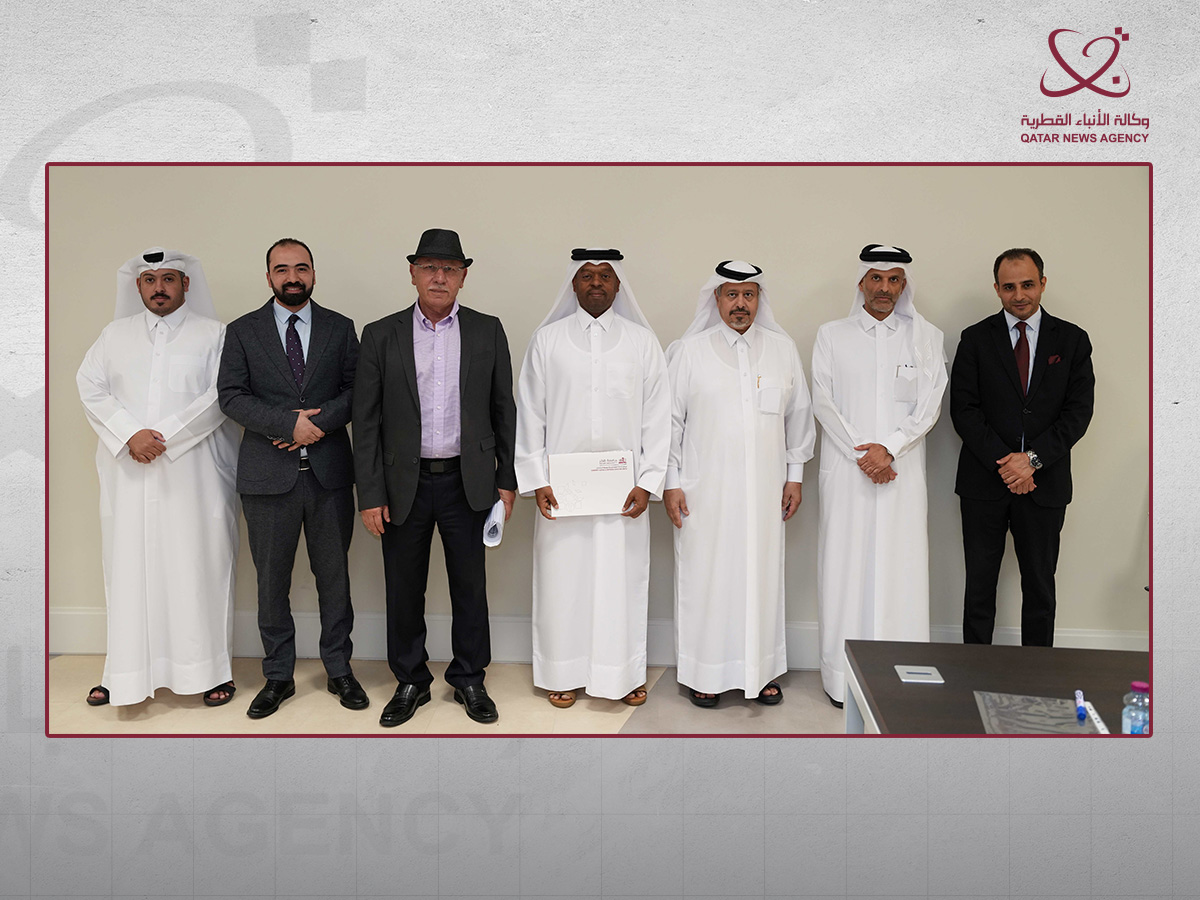
The Qatar International Centre for Conciliation and Arbitration (QICCA), affiliated with Qatar Chamber, concluded the second edition of its "Training and Qualification of Arbitrators" program for the 2026 cohort. The program was held in cooperation with the Community Service and Continuous Education Center at Qatar University, marking a significant collaboration between the two institutions. This initiative aims to prepare and qualify Qatari cadres and residents working in the country through a specialized scientific and training program focused on commercial arbitration. By developing local expertise in this key field, QICCA is contributing to the strengthening of Qatar's legal and business infrastructure. The program is specifically designed to prepare and qualify Qatari cadres and residents in the country, ensuring a strong pool of skilled professionals in commercial arbitration.
Program Details and Curriculum
The QICCA program provides participants with sufficient knowledge of arbitration and the foundations of international arbitration, equipping them with a full understanding of the field. It incorporates extensive practical training on the procedural, practical, and legal aspects required for arbitration work. This hands-on approach ensures that trainees are not only theoretically sound but also practically adept. The curriculum follows an integrated scientific and practical approach that keeps pace with international best practices, ensuring that the training provided is current and globally relevant.
The program is structured into five distinct stages, each building upon the previous one to offer a holistic learning experience. These stages cover commercial arbitration basics, providing foundational knowledge for all participants. Subsequent stages delve into practical applications of arbitration principles, allowing trainees to apply their learning in realistic scenarios. The curriculum also thoroughly addresses the arbitration agreement, including its organization, drafting, and interpretation, which are critical skills for any arbitrator. Further stages address arbitration case management procedures, teaching participants how to efficiently oversee and progress arbitration proceedings. The final stages focus on the process of drafting arbitration awards, a complex skill requiring precision and legal acumen.
The training specifically focuses on providing participants with the legal knowledge and practical skills necessary for understanding arbitration procedures, managing arbitration cases effectively, and drafting accurate arbitration awards. To reinforce these skills, the program includes extensive practical training sessions and realistic simulations of arbitration sessions, allowing participants to experience real-world scenarios in a controlled environment. These simulations are a cornerstone of the program's pedagogical approach, ensuring that graduates are well-prepared for the complexities of arbitration practice.
Demand and Reach
The "Training and Qualification of Arbitrators" program has experienced significant demand, attracting trainees from a wide array of governmental and semi-governmental entities. This includes a notable number of lawyers and engineers who have shown keen interest in arbitration, recognizing its importance in their respective fields. QICCA initially launched the program in 2007 with the express aim of developing expertise in the field of arbitration within Qatar. Since its inception, the program has been a collaborative effort, having been launched in cooperation with various international and national bodies, enhancing its credibility and reach. Most recently, it has operated in cooperation with Qatar University, aligning its curriculum and delivery with rigorous academic standards.
The initiative has consistently aimed to build a strong pool of qualified arbitrators within Qatar, contributing significantly to the national human capital development. To date, the number of program graduates exceeds 1000 participants. This substantial number reflects the sustained interest and the continuous need for specialized professionals in commercial arbitration across different sectors of the Qatari economy. The program's success in attracting and graduating such a large number of participants shows its vital role in fostering arbitration expertise in the country.
Ongoing Support and Future
This program is an integral part of the Qatar International Centre for Conciliation and Arbitration's (QICCA) broader efforts, undertaken in cooperation with academic institutions, to enhance the culture of arbitration and spread awareness of its role in supporting the business environment in the country. QICCA maintains ongoing support for program graduates by organizing workshops and seminars designed to connect them with practical realities in the field, ensuring their continuous professional development.
The recently concluded training featured a final phase titled "Practical Mock Trial," which involved all trainees. This culminating activity allowed participants to apply all the knowledge and skills acquired throughout the program in a simulated arbitration setting. The program specifically included practical training with a mock trial involving all trainees, providing participants with invaluable hands-on experience in arbitration proceedings. This full approach aims to equip graduates with the skills necessary for real-world application of arbitration principles, preparing them to contribute effectively to the resolution of commercial disputes.