From the archive
Iran's IRGC Claims Attack on US Base in Qatar, Escalating Regional Tensions
Iran's IRGC claims it attacked US Al Udeid Air Base in Qatar, destroying a long-range radar and refueling aircraft as part of regional retaliatory strikes.
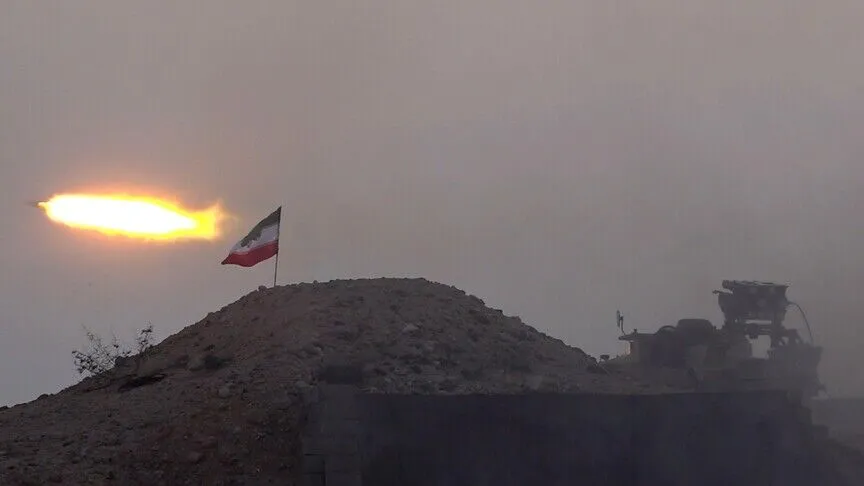
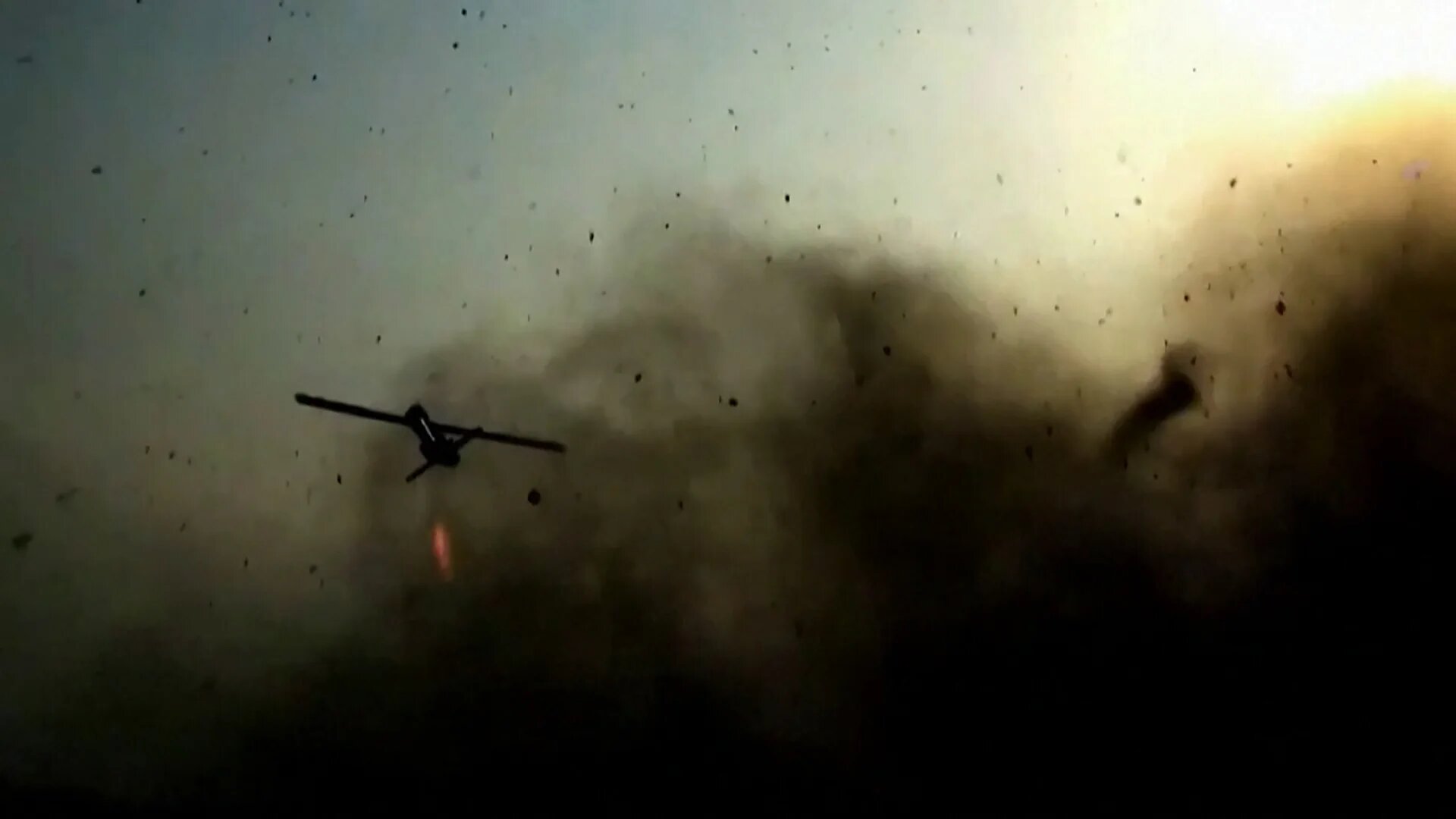
Iran's Islamic Revolutionary Guard Corps (IRGC) announced on Friday it carried out an attack on the US Al Udeid Air Base in Qatar, claiming it was part of retaliatory operations launched overnight against US military assets in the region. The IRGC stated its Aerospace Force conducted a "surprise and powerful" attack on the Al Udeid Air Base, asserting it completely destroyed a long-range radar system and several US strategic aerial refueling aircraft, while inflicting heavy damage on others. The IRGC claimed the attack destroyed a long-range radar system and several US aerial refueling aircraft, warning that the United States and nations hosting American military bases in the region would "pay a heavy price" for what it called its "crushing responses." This warning showed the IRGC's stance that any further targeting of civilians and civilian infrastructure, or crossing of "red lines," would be met with severe retaliation.
Broader Retaliatory Strikes
Earlier on Friday, Iran said it targeted US military assets across multiple Middle Eastern nations, including Kuwait, Oman, Syria, Jordan, and Bahrain, as part of a wave of retaliatory strikes. The Islamic Revolutionary Guard Corps (IRGC) claimed significant damage to air bases, radar systems, weapons depots, and military aircraft in these countries. These alleged strikes were presented by Iran as a full response to ongoing tensions in the region. The IRGC specified that the damage inflicted included critical infrastructure supporting US military operations.
Following the Iranian claims, Kuwait, Jordan, and Bahrain reported intercepting incoming Iranian missiles and drones. These interceptions highlight the active defense measures taken by these nations in response to the reported Iranian actions. The specific types of missiles and drones intercepted were not detailed by the reporting nations, but their successful neutralization prevented further damage.
Escalating Regional Tensions
Regional tensions have significantly escalated since February, when the United States and Israel initiated a joint offensive against Iran. Tehran responded to this offensive with missile and drone strikes targeting Gulf nations that host US assets. This cycle of aggression and retaliation has characterized the security landscape in the Middle East for several months. Last month, Iran and the United States signed a Pakistan-mediated memorandum of understanding, which aimed to conclude their conflict and establish a lasting peace agreement. This agreement was seen as a potential de-escalation pathway, offering hope for a more stable regional environment. Despite this diplomatic effort, tensions have again intensified in recent days, particularly over the Strait of Hormuz, a critical maritime chokepoint, where both sides have engaged in exchanges of attacks. These recent incidents in the Strait of Hormuz further show the fragility of the peace agreement and the persistent volatility in the region.
IRGC Warnings and Unconfirmed Claims
The Islamic Revolutionary Guard Corps (IRGC) issued a warning that the United States and nations hosting American military bases in the region would "pay a heavy price" for crossing "red lines" and targeting civilians and civilian infrastructure. The IRGC further stated that additional "crushing responses" would follow if the US persisted with its military attacks against Iran. This stern warning indicates the IRGC's resolve to continue its retaliatory actions if it perceives ongoing aggression. Separately, Qatari authorities have not issued any comments regarding the Iranian claims of an attack on the US Al Udeid Air Base, maintaining official silence on the specifics of the alleged incident. The lack of confirmation from Qatar leaves the full extent of the IRGC's claims unverified by an independent source.
Qatar's Response
Qatar stated its armed forces thwarted several aerial attacks, confirming that one child suffered injuries from falling shrapnel during the interception operations. The Qatari government did not specify the origin of these aerial attacks, nor did it directly address the claims made by Iran's Islamic Revolutionary Guard Corps regarding the Al Udeid Air Base. The report of injuries, even if minor, notes the real-world impact of these escalating aerial confrontations on civilian populations in the region. Qatar's cautious statement reflects the delicate diplomatic position of a nation hosting a major US military installation while being geographically close to Iran.