From the archive
Child Injured by Debris During Iranian Attack Interception in Qatar
A child in Qatar was injured by falling debris during interception operations targeting Iranian attacks, according to the Ministry of Interior.

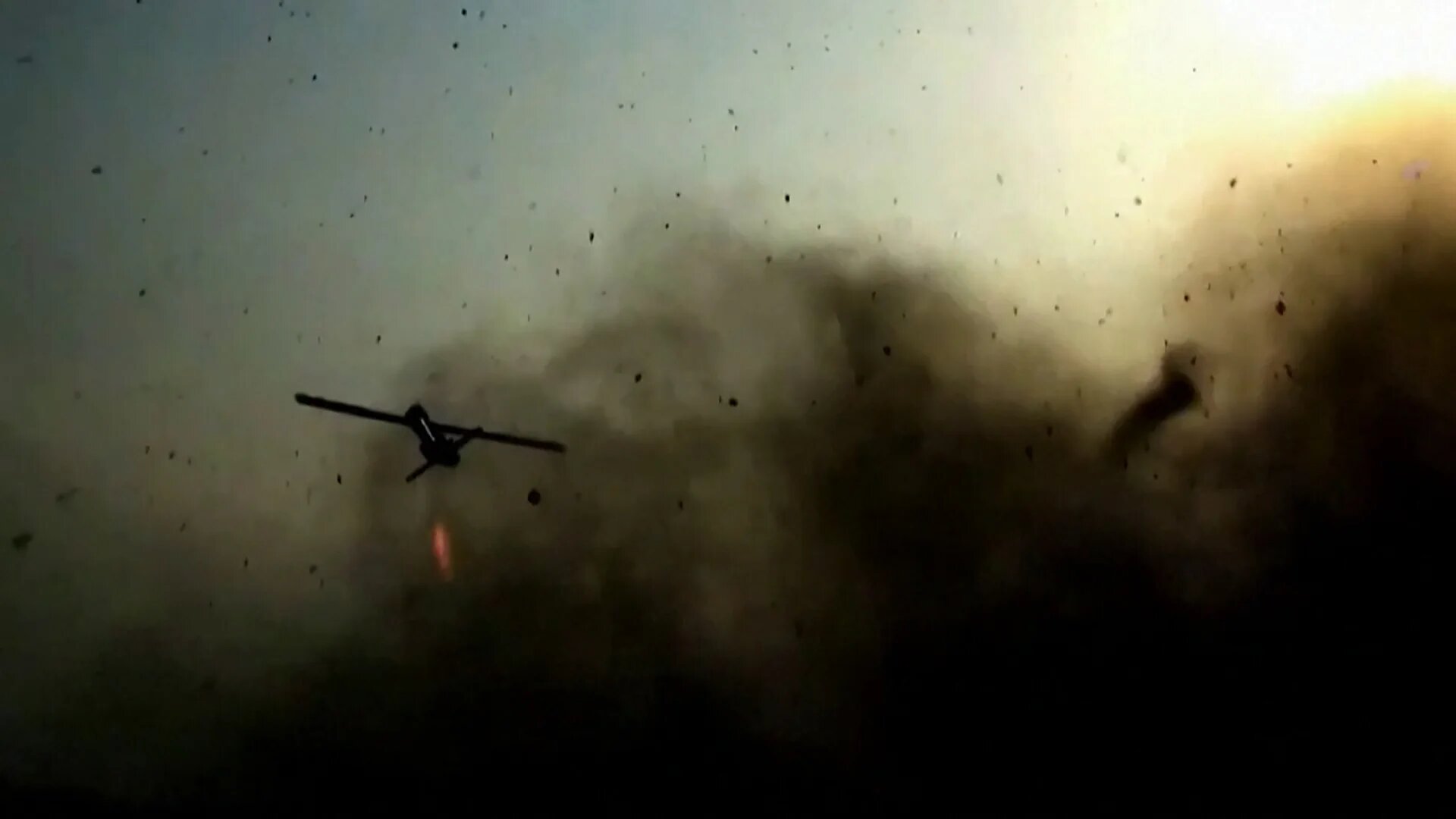
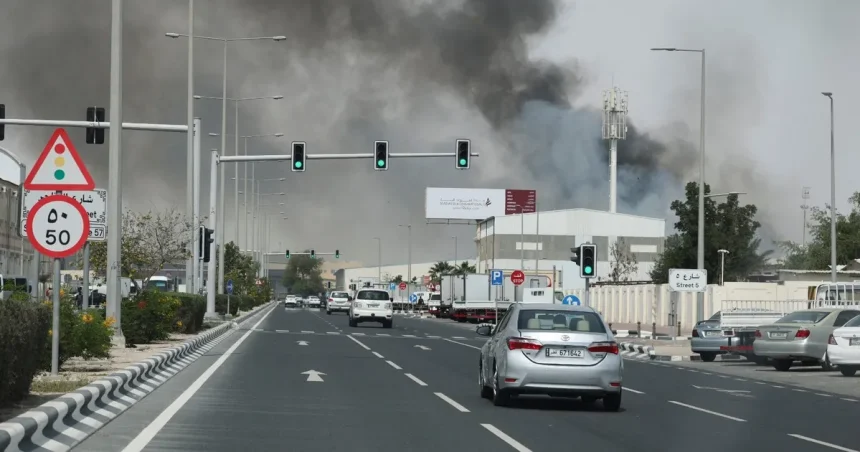
A child in Qatar sustained an injury early on Friday from falling debris during interception operations targeting Iranian attacks, according to an announcement by Qatar's Ministry of Interior. The incident occurred as defensive measures were deployed to counter incoming projectiles, which were identified as originating from Iranian forces. The Ministry confirmed the child's injury was a direct result of these interception efforts, which took place over Qatari airspace. While the defensive actions successfully neutralized the threat, the unfortunate consequence was the injury to a civilian on the ground. The specific nature of the Iranian attacks and the precise interception methods utilized were not detailed in the brief statement provided by the Qatari authorities.
Official Statement on Incident
The injured child is currently receiving the necessary medical care, Qatar's Ministry of Interior confirmed in its official communication regarding the incident. This immediate medical attention is a priority for the Qatari government following the unexpected event. The Ministry did not provide further details regarding the child's current condition or the specific nature of the injuries sustained, maintaining a level of discretion common in such sensitive situations. Officials emphasized the critical importance that the public should seek information exclusively from official sources, such as the Ministry of Interior itself, to ensure accuracy and prevent misunderstanding. The Ministry of Interior explicitly urged citizens and residents alike to refrain from circulating rumors or unverified information related to the incident, noting the potential for misinformation to cause undue alarm or confusion. This directive aims to prevent the spread of inaccurate narratives and maintain public order following the interception operations over sovereign Qatari airspace.
Response Procedures Detailed
Qatar's forces implemented full response procedures following the Iranian attacks, operating diligently in accordance with approved emergency plans. These established protocols are designed to address aerial threats and ensure the safety of the nation's population and infrastructure. The Ministry of Interior confirmed these actions were taken swiftly and decisively to manage the situation and protect national airspace from any incursions or falling debris. These established protocols dictate precisely how Qatari authorities respond to aerial threats, outlining a clear chain of command and predetermined actions to ensure public safety during such incidents. The activation of these plans indicates a high level of preparedness within the Qatari defense apparatus for potential escalations or security challenges affecting the region. Further details regarding the specific nature of these response procedures or the assets deployed, such as missile defense systems or fighter jets, were not immediately made public by Qatari officials. The focus remains on the adherence to pre-existing security frameworks to address external threats effectively and minimize collateral damage.
Broader Context and Information
The incident in Qatar occurred amid broader regional tensions involving Iran, a dynamic that frequently impacts the stability of the Arabian Gulf. Qatar, a prominent Gulf nation, maintains diplomatic relations with Iran, engaging in dialogue while also hosting significant American military assets, including the strategically vital Al Udeid Air Base. The base serves as a key operational hub for U.S. Central Command in the Middle East, showing Qatar's key role in regional security architecture. Qatar's Ministry of Interior did not specify the exact origin point of the Iranian attacks or the intended targets, but the defensive measures were activated within Qatari airspace, directly impacting its territory. Regional security has been a consistent concern for all nations in the Gulf, with various actors navigating complex alliances, rivalries, and geopolitical pressures. The Qatari government has often positioned itself as a mediator in regional disputes, striving for diplomatic solutions and promoting stability. The interception of projectiles over its territory represents a direct involvement in the security implications of these wider developments, noting the potential for regional conflicts to spill over and affect neutral parties. The incident serves as a stark reminder of the volatile security landscape in the Middle East.