From the archive
Israeli Minister Warns of 'Worrying' Türkiye-Qatar-Pakistan Axis in US-Iran Deal
Israeli minister Amichai Chikli calls the Türkiye-Qatar-Pakistan axis worrying for Tel Aviv, citing their role in shaping the US-Iran deal.
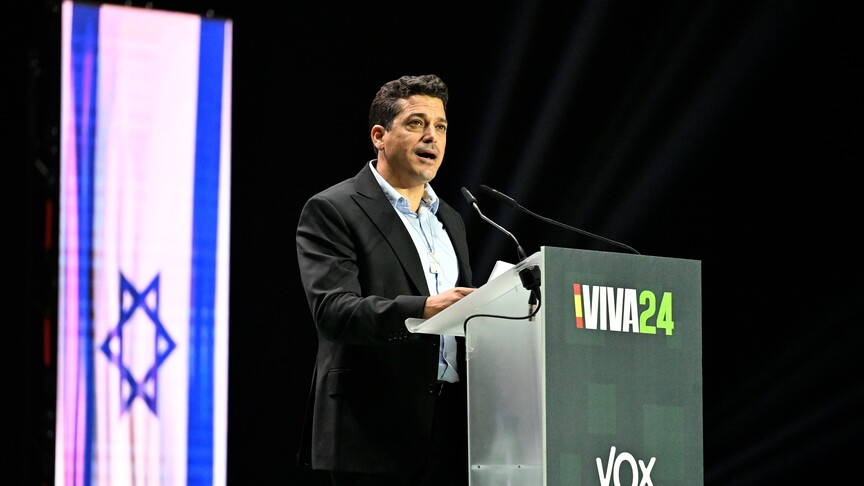
An Israeli Cabinet minister expressed significant concern on Wednesday regarding the emergence of a "Türkiye-Qatar-Pakistan axis" in the Middle East. Diaspora Affairs Minister Amichai Chikli stated unequivocally that this alliance was "worrying" for Tel Aviv, signaling potential shifts in regional power dynamics. Chikli further asserted that Türkiye, Qatar, and Pakistan played a key role in shaping the recently announced deal between the United States and Iran, contributing to the framework that has drawn criticism from Israeli officials.
US-Iran Deal Framework
The diplomatic efforts culminating in the recent agreement began earlier this month. Washington and Tehran reached a temporary truce on April 8, a key step that was notably mediated by Pakistan. Following this initial breakthrough, the United States and Iran officially announced a framework agreement on Monday, designed to bring an end to their long-standing conflict. This significant accord is now expected to be formally signed in Switzerland on Friday, marking a new chapter in the complex relationship between the two nations. Throughout the negotiation process, Türkiye, Qatar, and Pakistan have consistently supported diplomatic solutions to settle the US-Iran conflict. These nations have also actively backed various efforts to promote regional stability through such agreements, positioning themselves as key facilitators in the broader Middle Eastern political landscape.
Israeli Government Opposition and Domestic Criticism
The announcement of the US-Iran framework agreement has not been met with universal approval, particularly within the Israeli government. Israeli government ministers have publicly expressed their opposition to the agreement, noting deep-seated concerns about its implications for regional security. Amichai Chikli's remarks came amid sharp criticism in Israel directed at Prime Minister Benjamin Netanyahu. Opposition figures have accused Mr. Netanyahu of a significant failure in foreign policy, specifically claiming that US President Donald Trump excluded him from negotiations with Iran concerning the resolution of the war. This domestic pressure shows the sensitivity and high stakes surrounding the deal within Israeli political discourse.
Minister's Concerns Detailed
Diaspora Affairs Minister Amichai Chikli articulated his apprehension regarding the regional geopolitical shifts with considerable gravity. Chikli stated, "What we are witnessing is the rise of a new axis," emphasizing the profound nature of the changes he perceives. His remarks pointed to the formation of a new power dynamic involving Türkiye, Qatar, and Pakistan, which he previously identified as concerning for Tel Aviv. The minister's comments showed a broader unease within the Israeli government regarding the recently announced framework agreement between the United States and Iran, suggesting that the deal's architects and mediators are as much a source of concern as its terms.
Chikli further elaborated on his concerns regarding the deal, which followed a temporary truce mediated by Pakistan and is expected to be formally signed in Switzerland. He added, "The emerging agreement is concerning, and the least of my concerns is the rehabilitation of the Iranian economy." This statement suggests that his primary worries extend far beyond the economic implications for Iran, indicating deeper strategic anxieties about the agreement's broader regional impact and the roles of the aforementioned nations in shaping the future of the Middle East. The minister's focus on the "Türkiye-Qatar-Pakistan axis" notes a perception in Tel Aviv of a concerted effort by these nations to influence regional outcomes, which Israel views with apprehension.