From the archive
LNG Carrier Signals Qatar Destination Amid Strait of Hormuz Transit
LNG carrier Maran Gas Asclepius signals Qatar's Ras Laffan terminal as its destination while approaching the Strait of Hormuz.
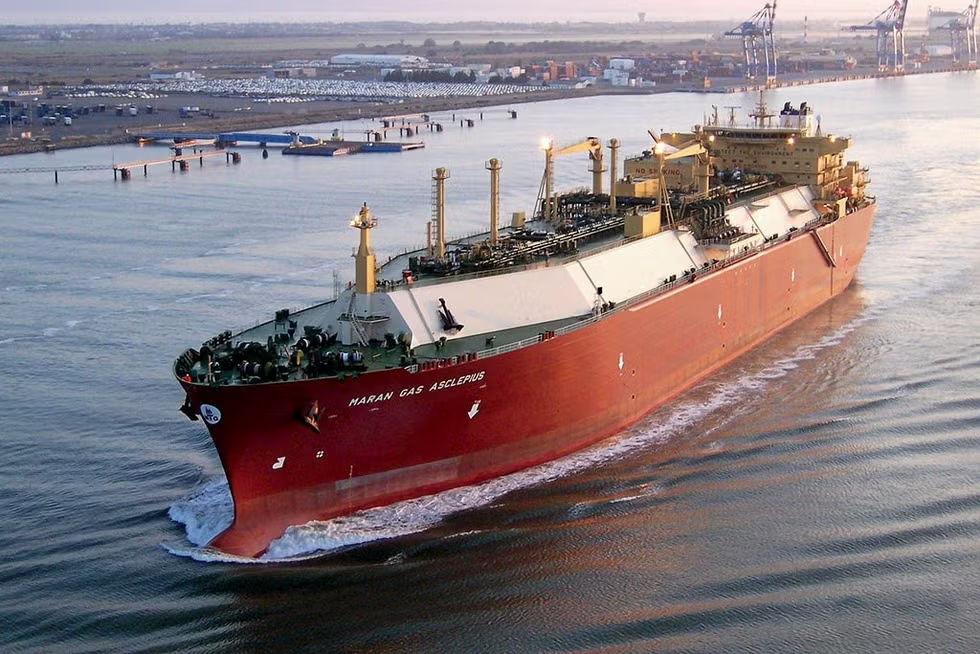
An LNG carrier, jointly owned by Greece's Maran Gas Maritime and Qatari shipowner Nakilat, is broadcasting its destination as Qatar’s Ras Laffan terminal as it approaches the Strait of Hormuz. The vessel's declared trajectory suggests it is heading for the significant energy hub in Qatar. This development was reported on June 1, 2026, at 07:53, noting a routine yet strategically important movement in global energy logistics. The signalling by the LNG carrier as it moves towards the Strait of Hormuz provides real-time insight into shipping patterns in a critical maritime region.
Vessel Details and Route
Kpler data indicated that the 145,822-cbm Maran Gas Asclepius, built in 2005 and currently in ballast, is scheduled to arrive at the Qatari LNG export facility on June 4. The vessel is the oldest LNG ship in the fleet of its Greek owner, Maran Gas Maritime, at 21 years old. This age profile is notable in an industry constantly updating its fleet with newer, more efficient vessels. The carrier is jointly owned by Maran Gas Maritime and Qatari shipowner Nakilat, a partnership that shows international collaboration in the energy transportation sector. Its declared destination of Qatar's Ras Laffan terminal was broadcast as it approached the Strait of Hormuz, suggesting a trajectory towards the significant energy hub. The fact that the vessel is in ballast indicates it is traveling empty to pick up a new cargo, a common practice in the global shipping industry. Its expected arrival on June 4 provides a clear timeline for its next operational phase, which will involve loading liquefied natural gas for export to international markets.
Qatar's Resumed LNG Capacity
QatarEnergy’s restarted liquefied natural gas (LNG) capacity is estimated at 25 million tonnes per annum. This figure indicates a substantial operational capability for the Qatari state-owned energy company, reinforcing its position as a global energy powerhouse. The resumption of this capacity is significant for global energy markets, particularly given Qatar's prominent role as a major LNG exporter. The additional capacity enables QatarEnergy to increase its supply contributions, potentially influencing pricing and availability for international customers. This substantial output capacity is key for meeting growing global demand for natural gas, especially as countries seek cleaner energy alternatives. The strategic importance of Qatar's energy infrastructure is showed by its ability to bring such considerable production online, reinforcing its position in the energy sector. This restored capacity represents a key development for the company's overall output and its engagement with global energy demands, ensuring a reliable flow of LNG to its partners worldwide.
Geopolitical Significance
The vessel's declared destination of Qatar's Ras Laffan terminal and its transit through the Strait of Hormuz show the strategic importance of this maritime chokepoint for global energy supplies. The Strait of Hormuz is a critical waterway for a significant portion of the world's liquefied natural gas (LNG) and oil shipments, linking major producers in the Middle East with international markets. Its narrow passage, connecting the Persian Gulf to the open ocean, makes it an indispensable conduit for global energy trade. Any activity within this strait, particularly involving energy carriers, attracts close international attention due to its implications for global energy security and trade stability. The consistent movement of LNG carriers through this strait notes the ongoing reliance of the global economy on this pathway.
Qatar, a major global LNG exporter, relies heavily on this passage to deliver its energy resources to customers across Asia and Europe. The movement of the Maran Gas Asclepius, jointly owned by Greece's Maran Gas Maritime and Qatari shipowner Nakilat, notes the ongoing flow of energy through this sensitive area. This specific transit serves as a tangible example of the uninterrupted supply chain critical to global energy markets. The vessel's trajectory towards Qatar's Ras Laffan facility further emphasizes the sustained operational capacity of QatarEnergy and its role in the global energy landscape, ensuring that vital energy resources continue to reach their destinations.