From the archive
Netanyahu Labels Qatar 'Hostile State,' Dismisses Israel Ties Accusations
Israeli Prime Minister Benjamin Netanyahu calls Qatar a "hostile state" and dismisses accusations of government ties as "one big bluff".
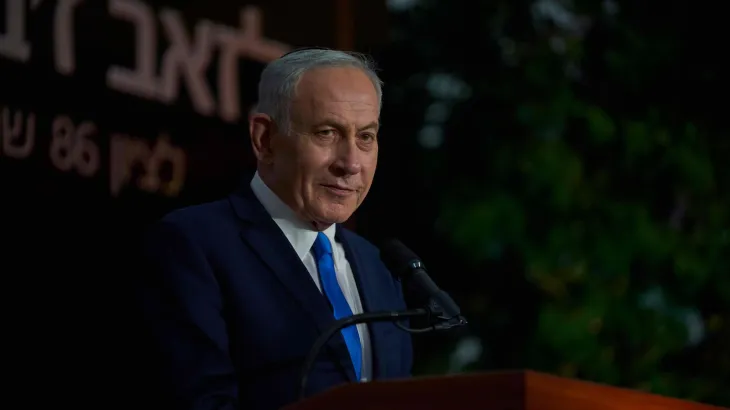
Israeli Prime Minister Benjamin Netanyahu has described Qatar as a "hostile state," dismissing accusations regarding Israel's ties to the Gulf nation. Mr. Netanyahu characterized previous claims about relations with Qatar as "one big bluff," according to statements published on September 6, 2026. His comments addressed the nature of the relationship between Israel and Qatar, which has played a significant role in mediating regional issues. The Prime Minister's declaration marks a notable hardening of Israel's public stance towards the Gulf state, potentially reshaping diplomatic engagements in the volatile Middle East.
Netanyahu's Sharp Remarks
Israeli Prime Minister Benjamin Netanyahu dismissed accusations regarding his government’s alleged ties to Qatar, characterizing them as "one big bluff." Mr. Netanyahu's remarks directly addressed claims circulating about the nature of the relationship between Israel and the Gulf state. He firmly rejected the notion that his administration maintained undisclosed connections with Qatar, which has often played a mediating role in regional conflicts, particularly concerning Palestinian factions. The Prime Minister's strong language showed his stance on the matter, aiming to clarify Israel's position amidst ongoing scrutiny and speculation about its diplomatic activities. His statement on the alleged ties noted a clear denial of any substantial or secretive links, reinforcing his public dismissal of such claims. Mr. Netanyahu's assertion that the accusations amounted to "one big bluff" conveyed a definitive rejection of the narrative suggesting covert engagements between his government and Qatar, emphasizing a desire to project a clear and unambiguous foreign policy stance. This direct refutation comes as regional dynamics remain highly sensitive, making such pronouncements carry considerable weight in diplomatic circles.
Context of Tensions
Mr. Netanyahu's recent comments regarding Qatar's status as a "hostile state" arrive nearly a year after an Israeli attack on Qatar occurred. The incident took place during a period when Qatar was involved in ceasefire negotiations with Hamas. This specific historical event provides critical context for understanding the current heightened rhetoric. The timing of the Prime Minister's remarks places them within a broader context of strained relations, particularly given the direct military action taken by Israel against Qatar during sensitive diplomatic efforts aimed at de-escalation. This past event shows the complex and often adversarial nature of interactions between the two nations, despite Qatar's consistent role in facilitating dialogue in the region. The Israeli attack on Qatar during ceasefire talks represents a significant point of tension preceding the Prime Minister's current characterization of the Gulf state, noting a deep-seated mistrust that appears to have escalated rather than diminished over time. Such an incident during delicate negotiations would naturally contribute to a challenging diplomatic environment between the two nations.
Broader Implications
Mr. Netanyahu's characterization of Qatar as a "hostile state" carries significant implications for regional diplomacy, particularly concerning the ongoing situation in Gaza. Qatar has historically played a key role as a mediator between Israel and various Palestinian factions, including Hamas, often serving as a key channel for communication and negotiation. The Israeli Prime Minister's firm dismissal of any alleged ties to the Gulf nation, coupled with his strong language, could severely complicate future mediation efforts. Such statements may further strain the already tense relationship between Israel and Qatar, potentially impacting channels for de-escalation and the delivery of humanitarian aid in the region. The declaration notes a deepening diplomatic rift that could reshape engagement strategies for both nations, potentially forcing other regional and international actors to reassess their own diplomatic approaches. This public stance by Israel's leader could make Qatar's role as a neutral facilitator much more difficult to maintain, with potential ripple effects across ongoing regional crises.