From the archive
Pakistan and Qatar Leaders Discuss Regional Tensions, Emphasize Dialogue
Pakistan and Qatar leaders discussed regional tensions and emphasized dialogue, highlighting the need for peaceful resolutions amid growing concerns…
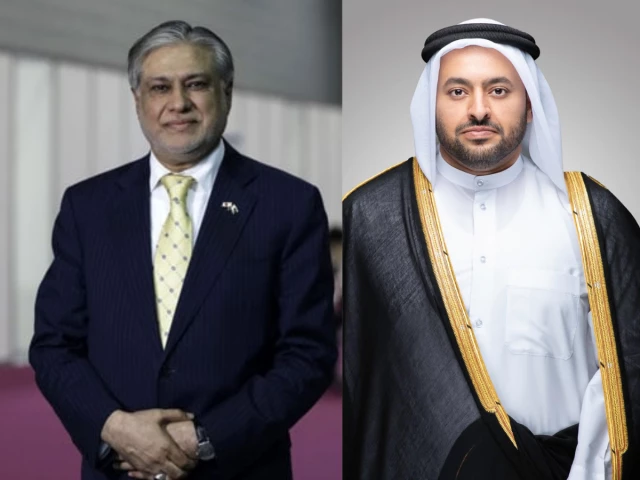
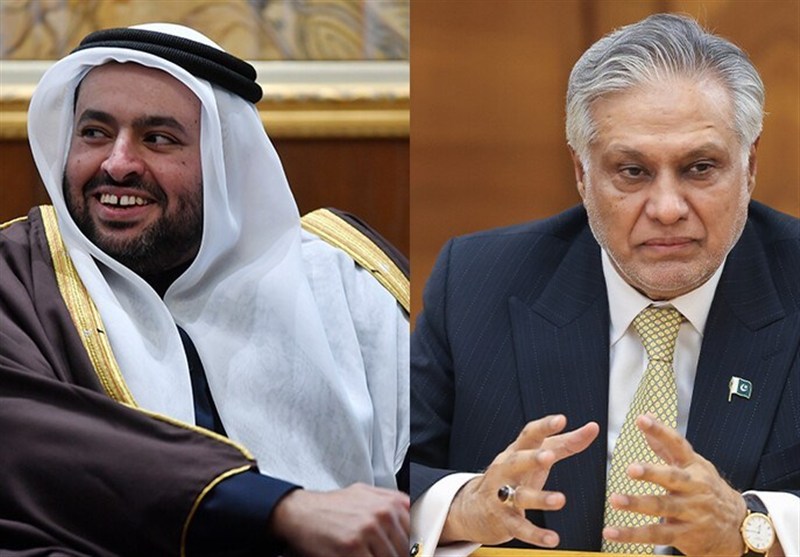
Pakistan and Qatar engaged in high-level diplomatic contacts on Monday, with Deputy Prime Minister and Foreign Minister Ishaq Dar speaking by phone with Qatar’s Minister of State for Foreign Affairs Mohammed bin Abdulaziz Al-Khulaifi. This significant interaction showed the deepening diplomatic ties between Islamabad and Doha, occurring at a critical juncture for regional stability. The officials discussed the rapidly changing regional landscape and growing tensions involving the United States and Iran, a matter of increasing concern for countries across the Middle East and South Asia. Both sides exchanged views on the latest regional developments and other issues of shared concern during their conversation, noting a mutual commitment to addressing complex geopolitical challenges. The leaders, recognizing the inherent risks of escalation, emphasized that dialogue and diplomatic engagement remain essential for addressing challenges facing the region, advocating for peaceful resolutions to ongoing conflicts.
The high-level diplomatic contacts between Pakistan and Qatar on Monday were part of a broader, concerted effort by Islamabad to engage with key regional partners. The telephone call between Deputy Prime Minister and Foreign Minister Ishaq Dar and Qatar’s Minister of State for Foreign Affairs Mohammed bin Abdulaziz Al-Khulaifi provided a key platform for both nations to coordinate their approaches to pressing international issues. The discussion specifically focused on the rapidly changing regional landscape, acknowledging the dynamic and often unpredictable nature of current geopolitical events. Growing tensions involving the United States and Iran were a central theme, reflecting the widespread apprehension about potential wider conflicts. Both Pakistani and Qatari officials meticulously exchanged views on the latest regional developments, ensuring a full understanding of each other's perspectives. Beyond the immediate crisis, they also addressed other issues of shared concern, which typically include economic cooperation, security matters, and humanitarian aid. The unequivocal emphasis from both leaders was that dialogue and diplomatic engagement are not merely options but remain absolutely essential for effectively addressing the multifaceted challenges confronting the region. This stance reinforces the belief that sustained communication and negotiation are the most viable pathways to de-escalation and long-term stability.
Broader Regional Context
The discussion between Pakistani and Qatari officials unfolded amid Pakistan's broader diplomatic engagement with Gulf states and the ongoing conflict between the United States and Iran. This particular exchange was one of several high-level interactions Pakistan has initiated in recent times to foster stability and promote de-escalation in a volatile region. This conflict erupted after the United States and Israel launched coordinated strikes against Iran on February 28, a significant escalation that immediately drew international attention and concern. Tehran subsequently responded with its own attacks, targeting both Israel and various Gulf states that host American military assets, further compounding the complexity and danger of the situation. The retaliatory actions from both sides have created a precarious balance, prompting urgent calls for restraint and diplomacy from the international community.
Earlier conversations between Islamabad and regional partners have frequently focused on the evolving situation in the Middle East, a region whose stability is intrinsically linked to Pakistan's own security and economic interests. These prior discussions also showed the critical need to support peace initiatives aimed at de-escalating tensions between Washington and Tehran, recognizing the potentially catastrophic consequences of a full-blown confrontation. The current diplomatic exchanges are part of a continuous effort to foster stability in a region grappling with heightened geopolitical pressures, demonstrating Pakistan's proactive role in international diplomacy. Pakistan's outreach to Gulf nations notes its role in promoting dialogue during a period of significant regional volatility, positioning itself as a responsible stakeholder committed to peace. The engagement with Qatar reflects a shared concern about the potential for wider escalation and the importance of diplomatic channels to manage crises effectively, preventing them from spiraling out of control. The intricate diplomatic dance involves not only direct communication but also a nuanced understanding of the various actors and their motivations, which both Pakistan and Qatar bring to the table.
Pakistan's Mediation Efforts
Pakistan has sought to position itself as an intermediary in the ongoing tensions between the United States and Iran, leveraging its unique diplomatic ties with both nations. Islamabad played a key role in facilitating a temporary ceasefire between Washington and Tehran, an initial step that provided much-needed breathing room amidst escalating hostilities. Following this success, Pakistan subsequently hosted senior-level talks involving officials from both nations, providing a neutral and secure venue for sensitive discussions. The initial ceasefire successfully held and was later extended, indicating a measure of progress in the de-escalation efforts and demonstrating the effectiveness of Pakistan's mediation. This diplomatic achievement showed Pakistan's commitment to fostering peace and its capacity to act as a credible facilitator in complex international disputes. Reports circulating suggest that Islamabad might host an additional round of talks; however, no official announcement regarding such a meeting has been made public, maintaining a degree of strategic ambiguity. Despite the absence of a confirmed future meeting, Pakistani officials continue to express optimism that diplomatic initiatives could foster a more full understanding between the United States and Iran, ultimately paving the way for a more enduring peace. This ongoing commitment to dialogue reflects Pakistan's strategic imperative to prevent regional conflicts from destabilizing its immediate neighborhood and wider geopolitical landscape.
High-Level Engagements
A day prior to their foreign ministers' discussion, Prime Minister Shehbaz Sharif engaged in a telephone conversation with Qatar’s Prime Minister and Foreign Minister Sheikh Mohammed bin Abdulrahman bin Jassim Al Thani. This prior contact between the heads of government showed the full nature of the diplomatic outreach between the two countries. During this call, Prime Minister Sharif conveyed his gratitude to Qatar for its consistent support of Pakistan’s mediation and de-escalation initiatives in regional affairs, acknowledging Doha's valuable partnership in these critical endeavors. The high-level dialogue between the two nations shows the ongoing diplomatic efforts to address stability concerns, reflecting a shared vision for a peaceful and prosperous region. The Prime Minister's direct engagement with his Qatari counterpart signals the strategic importance Pakistan places on its relationship with Qatar, particularly in the context of regional security.
Separately, Pakistan's Deputy Prime Minister and Foreign Minister Ishaq Dar met with Saudi Arabia’s Ambassador to Pakistan, Nawaf bin Saeed Ahmad Al-Malkiy, in Islamabad on Monday. This meeting was another key component of Pakistan's multi-faceted diplomatic strategy, broadening the scope of its regional consultations. The discussions focused on reviewing recent regional developments, including the ongoing tensions and their potential implications for the wider Middle East. Additionally, the status of bilateral relations between Pakistan and Saudi Arabia was thoroughly assessed, covering areas of mutual interest such as economic cooperation, defense ties, and cultural exchanges. The discussions reflect Pakistan's continued engagement with key regional partners to foster dialogue and stability amid evolving geopolitical dynamics, demonstrating a holistic approach to foreign policy. These concurrent engagements with Qatar and Saudi Arabia highlight Pakistan's proactive role in navigating the complex currents of Middle Eastern politics and its determination to contribute constructively to regional peace and security.