From the archive
Qatar Airways Grounds A380s on Key Routes Amid Fleet Return Delays
Qatar Airways grounds A380s on Perth, Guangzhou, Melbourne, Frankfurt, and Atlanta routes due to fleet return delays. Full return pushed to mid-2026.
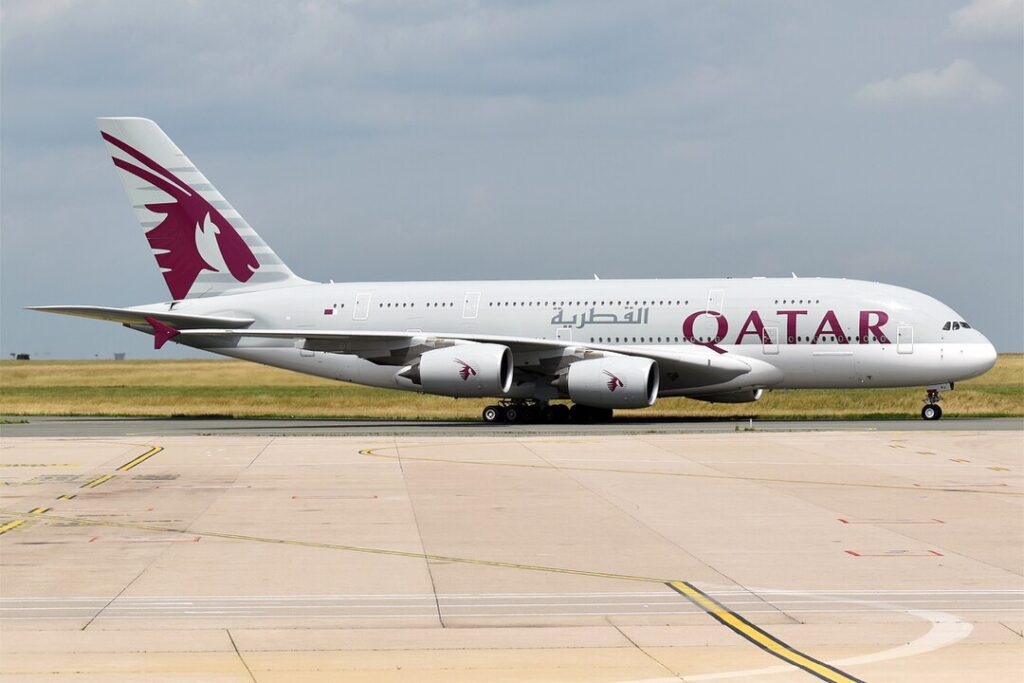
Qatar Airways has removed its Airbus A380 aircraft from service on key routes, including Perth, Guangzhou, Melbourne, Frankfurt, and Atlanta. This strategic decision by the airline impacts several long-haul destinations where the superjumbo aircraft previously played a significant role in capacity. The airline has also extended the timeline for restarting its A380 operations, now pushing the full return of the superjumbo fleet further into mid-June 2026. This adjustment reflects ongoing challenges and revised operational planning within the carrier's fleet management strategy.
A380 Fleet Status
Qatar Airways presently operates a fleet of eight active Airbus A380 aircraft. This active fleet is carefully managed to optimize route coverage and passenger capacity across its global network. The airline has also permanently withdrawn two additional Airbus A380 superjumbos from service, indicating a more permanent reduction in its overall A380 capacity. This adjustment to its operational fleet comes as the carrier continues to manage its aircraft availability on key international routes, adapting to market demands and operational constraints. The decision to permanently retire two of these aircraft notes a shift in the airline's long-term fleet strategy, moving towards a more streamlined and potentially more fuel-efficient wide-body composition.
Route Changes Detailed
Qatar Airways operated over 1,500 A380 departures between Doha and Perth from 2018 to 2025, establishing a strong presence on this important Australian route. The A380's high capacity was key for meeting demand during this period. However, the airline has since shifted its Perth route primarily to the Boeing 777-300ER, with occasional Airbus A350-900 operations, demonstrating flexibility in aircraft deployment. This change allows the airline to maintain service frequency while adjusting capacity to current operational requirements. Virgin Australia also initiated flights between Perth and Doha using Boeing 777-300ER aircraft leased from Qatar Airways, indicating a collaborative approach to maintaining connectivity on this route.
To Guangzhou, Qatar Airways operated more than 1,100 A380 departures before ending superjumbo service on the route. The airline had deployed the A380 daily to Guangzhou between 2016 and early 2020, showcasing the importance of this Chinese destination in its network prior to the pandemic-induced operational shifts. Similarly, Melbourne previously supported a daily Airbus A380 service before the pandemic, with Qatar Airways logging over 1,000 A380 departures to Melbourne before ending superjumbo operations there. The cessation of A380 service on these routes marks a significant change in the passenger experience and capacity offered by the airline to these key Asian and Oceanic markets.
Qatar Airways briefly operated daily A380 service to Frankfurt between 2019 and 2020, providing a high-capacity option for travelers between Doha and this major European hub. This period saw the A380 deployed to meet peak demand and enhance the passenger experience on a competitive route. Hartsfield-Jackson Atlanta International Airport (ATL) saw a single, notable Qatar Airways Airbus A380 flight on June 1, 2016, marking a unique event in the airline's history with the airport. Since that date, the airline has consistently used smaller long-haul aircraft on the Doha-Atlanta service, indicating a long-term strategic decision regarding aircraft deployment for this specific route. The removal of the A380 from these routes shows a broader recalibration of Qatar Airways' network strategy and fleet utilization.
Fleet Return Timeline
Qatar Airways had previously anticipated that its Airbus A380 fleet would resume scheduled flights by June 2026. This timeline represented the airline's initial projection for the full reintroduction of the superjumbo aircraft into its operational network, following a period of reduced activity. However, the restart of A380 operations has been pushed further into mid-June 2026. The carrier has since extended this timeframe, indicating a further delay in the return of its A380s. The revised schedule pushes the full resumption of A380 operations beyond the previously stated mid-June 2026 target, reflecting a more cautious and extended approach to their re-integration. This adjustment affects the airline's long-term fleet planning and its capacity offerings on various international routes, necessitating alternative arrangements for passenger transport. The ongoing delays reflect broader challenges in aircraft availability and operational adjustments faced by Qatar Airways, potentially including maintenance schedules, crew availability, and market demand fluctuations. The airline continues to manage its fleet composition by utilizing other aircraft types, such as the Boeing 777-300ER and Airbus A350-900, on routes where the A380 was previously deployed or anticipated to return. These aircraft provide versatile alternatives for maintaining connectivity and service levels. The extended timeline for the A380's return suggests a strategic shift in the airline's operational planning for its wide-body fleet, possibly indicating a longer-term reassessment of the superjumbo's role. While an initial target for A380 flight resumptions had been set, the airline's current operational strategy incorporates a longer grounding period for the superjumbo, noting the dynamic nature of airline fleet management in the current global aviation environment.