From the archive
Qatar Elevates Mediation to Central Pillar of Global Diplomacy
Qatar is making mediation a central pillar of its global diplomacy, emphasizing dialogue and pragmatic conflict resolution over temporary ceasefires.
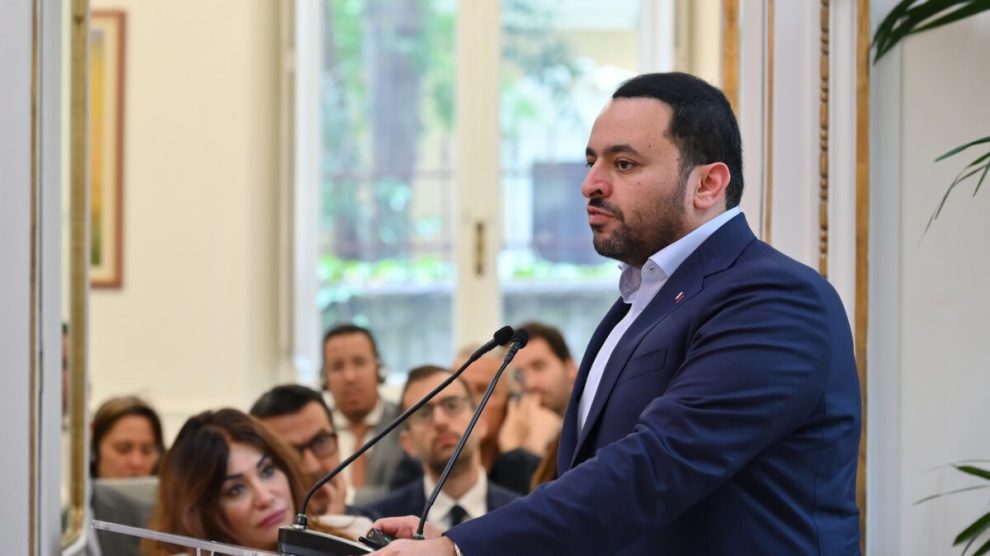
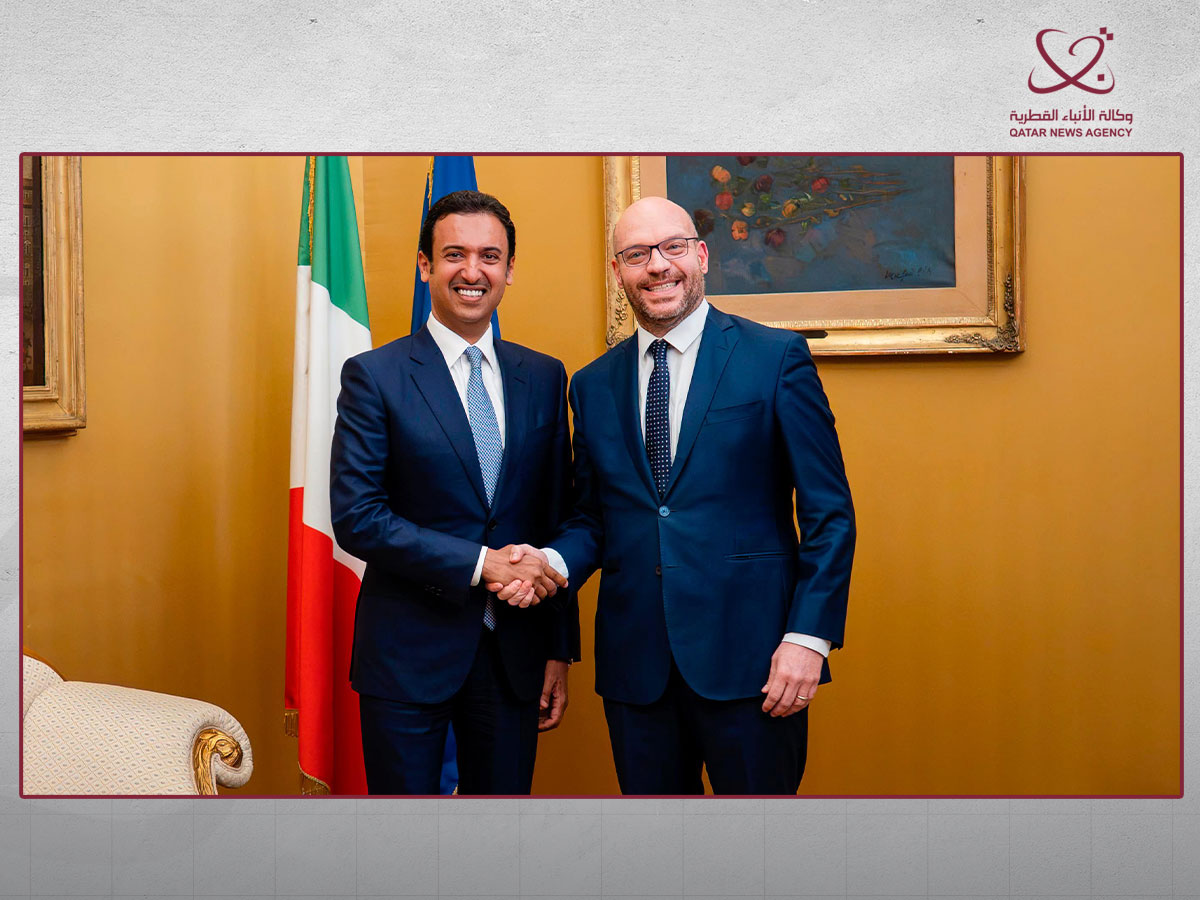
Qatar presented its diplomatic approach as a means to maintain open dialogue channels during an event titled “The Value of Mediation,” organized by the Med-Or Foundation in Rome. This significant event brought together international figures to discuss the evolving role of diplomacy in an increasingly complex global landscape. Mohammed bin Abdulaziz Al-Khulaifi, Qatar's Minister of State at the Ministry of Foreign Affairs, articulated Doha's model, describing mediation as "a cornerstone" of the state's foreign policy. This description shows the fundamental importance Qatar places on diplomatic engagement as a core element of its international relations. Al-Khulaifi stated, "The role of the mediator is not to reach the agreement – that is the responsibility of the conflicting parties. The mediator’s role is to build bridges." He emphasized that Qatar does not aim for temporary solutions, adding, "We do not surrender to a ceasefire, because it is not a durable solution." The event took place as reported on May 21, 2026, noting the timely nature of these discussions on global mediation strategies.
Doha's Diplomatic Philosophy
Mohammed bin Abdulaziz Al-Khulaifi reiterated Doha’s rejection of purely military solutions, emphasizing that sustainable outcomes emerge through dialogue, trust-building, and long-term political engagement. He also stated that effective mediation requires understanding conflict roots, building confidence, shaping negotiations, and mobilizing multidisciplinary expertise. This full approach ensures that mediations are not merely transactional but address the underlying causes of conflict. Understanding the historical and social context of disputes is key for identifying viable pathways to peace, and building confidence among warring factions is critical to fostering an environment conducive to negotiation. The process of shaping negotiations involves careful strategic planning and the ability to adapt to evolving circumstances, while mobilizing multidisciplinary expertise ensures all facets of a complex conflict are considered.
Doha views mediation not simply as conflict management, but as a necessary foundation for rebuilding an increasingly fragile international order based on dialogue, inclusion, and sustained diplomatic engagement. This perspective positions Qatar as a proponent of a multilateral world order where communication and mutual understanding are prioritized. The Qatari diplomatic model, as presented by Al-Khulaifi, is therefore not just about resolving immediate crises but about contributing to a more stable and interconnected global system.
Med-Or president Marco Minniti noted that mediation is regaining strategic relevance as unilateral approaches and power politics dominate the global arena. Minniti’s observations resonate with Qatar’s commitment to multilateralism and its belief in the power of dialogue. Qatar's diplomatic philosophy centers on facilitating communication and fostering conditions for lasting peace rather than imposing temporary fixes. This approach positions Doha as a key player in international efforts to address complex crises, relying on its ability to engage diverse parties and maintain impartiality. The emphasis is on deep-seated resolution over short-term ceasefires, which fits within the broader goal of strengthening the international order and promoting long-term stability.
Proven Track Record
Over the last two decades, Qatar has consolidated its reputation as a facilitator capable of engaging simultaneously with actors often unwilling to communicate directly. This unique ability stems from its consistent policy of maintaining open channels with a wide array of states and non-state actors, even those with divergent political ideologies. Qatar's mediation efforts have spanned multiple theaters, including Afghanistan, Gaza, Lebanon, Libya, Ukraine, Venezuela, and several African conflicts. These diverse engagements showcase the breadth of Qatar’s diplomatic reach and its commitment to addressing global flashpoints. The country's involvement in these various regions shows its versatile approach to conflict resolution, adapting its strategies to the specific complexities of each situation.
The Israeli-Palestinian dossier remains central to Doha’s diplomatic agenda, reflecting the enduring importance of regional stability for Qatar. Qatar continues to coordinate with Egypt, Türkiye, and the United States to pursue a more stable framework for Gaza. These diplomatic efforts include Qatar's role in facilitating humanitarian pauses and hostage exchanges in the post-October 7 diplomatic initiatives. This critical involvement demonstrated Qatar's practical contribution to de-escalation and humanitarian relief during a period of intense conflict. The successful facilitation of these pauses and exchanges required extensive negotiations and trust-building with multiple parties, further solidifying Qatar’s reputation as an effective mediator. This sustained engagement reflects Doha's commitment to addressing complex regional and international crises through negotiation and dialogue. The country's diplomatic strategy emphasizes building trust and creating channels for communication where direct interactions are often challenging, proving instrumental in bridging divides where others might fail.
Global Interconnectedness
Qatar’s Minister of State for Foreign Affairs Mohammed bin Abdulaziz Al-Khulaifi delivered a keynote intervention at the event, outlining Doha's approach to international mediation. Al-Khulaifi argued that the implementation phase and durability of agreements are more significant than the symbolic achievement of signing them. This perspective notes a pragmatic understanding that a signed agreement is only the first step; its true value lies in its effective and sustained application. He stated, "The role of the mediator is not to reach the agreement – that is the responsibility of the conflicting parties. The mediator’s role is to build bridges," showing Qatar’s focus on sustainable solutions. This approach emphasizes creating a framework for ongoing dialogue and cooperation, rather than merely brokering a temporary cessation of hostilities.
Al-Khulaifi also emphasized the growing interconnectedness of regional dynamics, noting that instability in Europe can affect the Gulf, and crises in the Middle East generate repercussions beyond the region. This recognition of global interdependence informs Qatar's full diplomatic strategy, acknowledging that peace and security are indivisible. The idea that a conflict in one part of the world can have ripple effects across continents shows the necessity of a proactive and engaged foreign policy. He reiterated that Qatar does not aim for temporary solutions, stating, "We do not surrender to a ceasefire, because it is not a durable solution." This perspective notes Doha's view that short-term measures are insufficient for addressing complex global challenges, advocating instead for strong, long-term diplomatic solutions that tackle the root causes of conflict and pave the way for lasting peace.