From the archive
Qatar Airways Reports 10% Net Profit Decline Amid Geopolitical Challenges
Qatar Airways Group reports a 10% net profit decline to QR7.08 billion ($1.94 billion) for the year ending March 31, citing geopolitical challenges.
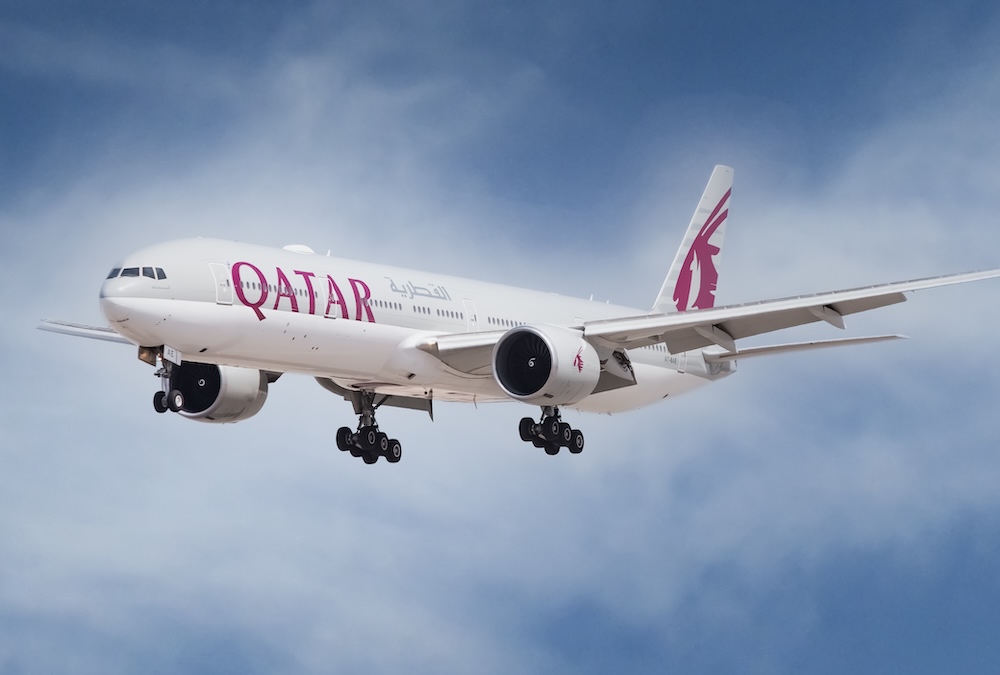
Qatar Airways Group reported a 10% decline in net profit for the year ending March 31, reaching QR7.08 billion ($1.94 billion). The airline's financial results reflect ongoing geopolitical challenges impacting its operations. This decrease in net profit shows the complex environment in which the airline industry currently operates, particularly in the Middle East. Regarding these challenges, Qatar Airways Group stated, "Management continues to monitor the evolving situation and assess its potential impact on the group’s operations, financial position, and performance." The company further noted that "The full extent of any future operational or financial effects cannot yet be reasonably estimated." This cautious outlook notes the uncertainty inherent in the current global landscape.
Financial Performance Details
Revenues for Qatar Airways Group decreased by 2.6% to QR83.4 billion for the year ending March 31. This slight dip in top-line revenue occurred amidst a period of significant regional instability. Despite this decline in revenue, the airline group recorded a 3.9% reduction in overall expenditure during the same period. The decrease in expenses, a testament to effective cost management strategies, contributed to a stronger operational outcome for the company. As a result of these financial shifts, Qatar Airways Group reported a higher operating profit of QR15.2 billion for the fiscal year. The figures indicate that while top-line revenue saw a slight dip, cost management measures played a significant role in improving the airline's operating profitability, allowing the group to maintain a strong operational margin despite external pressures.
Fleet Expansion and Network Growth
Qatar Airways Group expanded its fleet and network during the reporting period, demonstrating a commitment to long-term growth. The company took delivery of 18 aircraft over the course of 2025-26, supplemented by additional leased airframes to support its operational growth. This strategic acquisition of new aircraft ensures the airline can meet increasing demand and modernize its fleet. By the end of the year, the airline's fleet comprised 249 passenger jets and 30 freighters, showcasing a substantial operational capacity. This expansion enables Qatar Airways to enhance its service offerings and reach new markets effectively. Looking ahead, the airline anticipates serving a total of 160 destinations by the summer of this year, indicating a continued focus on network growth despite the broader financial and geopolitical challenges. This aggressive expansion plan signals confidence in future market recovery and increased travel demand.
Navigating Complex Geopolitics
The final month of Qatar Airways Group's financial year was significantly affected by the Iranian conflict. This geopolitical event contributed to the complex operational environment faced by the airline, leading to disruptions and necessitating adaptive measures. The situation in the Middle East has introduced uncertainties, influencing flight paths, air space restrictions, and operational planning for carriers in the region. Qatar Airways Group, like other airlines, monitors these developments closely to assess their ongoing and potential impact on its operations and financial performance. The broader regional context continues to be a significant factor in the airline industry's strategic considerations, requiring constant vigilance and flexibility in route planning and resource allocation. The airline's ability to navigate these challenges will be key for its sustained success.
Outlook and Management Commentary
Qatar Airways Group indicated that the geopolitical environment remains complex and dynamic. The carrier reiterated, "Management continues to monitor the evolving situation and assess its potential impact on the group’s operations, financial position, and performance." This statement shows the ongoing need for adaptability in a volatile global landscape. The airline also stated, "The full extent of any future operational or financial effects cannot yet be reasonably estimated," reflecting the inherent unpredictability of international events. Despite these uncertainties, the group significantly expanded its fleet plans, ordering up to 210 aircraft from Boeing during the year. This included a firm agreement for 130 787s and 30 777-9s. This substantial order notes the airline's long-term strategic vision and its commitment to modernizing and expanding its fleet for future growth, regardless of short-term geopolitical fluctuations.