From the archive
Qatar University Forum Explores AI's Impact on Work Environment
Qatar University hosted a forum exploring artificial intelligence's impact on the work environment, discussing how AI enhances productivity and redefines…
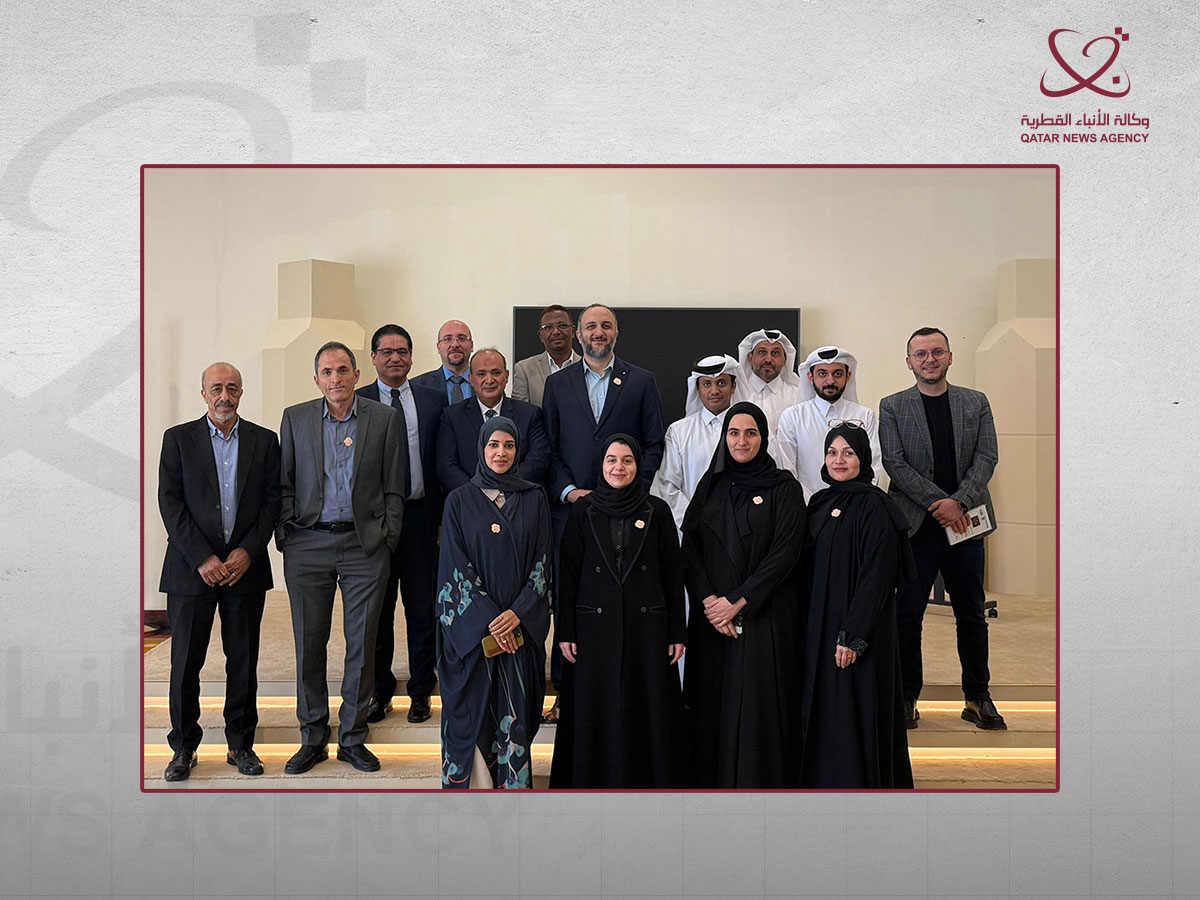
Qatar University recently hosted a significant forum dedicated to exploring the profound impact of artificial intelligence (AI) on the contemporary work environment. The event, meticulously organized by Qatar University, specifically focused on AI's key role in developing the work environment, facilitating daily tasks, and improving overall performance efficiency across various professional sectors. This full gathering addressed how these rapidly advancing technological innovations are actively shaping and redefining modern workplaces, offering both opportunities and challenges.
AI's Role in Enhancing Productivity
During the forum, Dr. Sarah Al-Dahram, Assistant Professor of Media at Qatar University, presented insightful methods for effectively leveraging AI tools to significantly improve work quality and streamline the preparation of complex projects and detailed presentations. Dr. Al-Dahram articulated her view that artificial intelligence serves as an invaluable supportive tool for work, making a substantial contribution to enhancing productivity. She emphasized this point, stating, "Artificial intelligence represents a supportive tool for work that contributes to enhancing productivity, without replacing the role of the human and their professional expertise." Her remarks showed the belief that AI should augment, rather than supersede, human capabilities. Attendees at the forum actively engaged in practical sessions, acquiring valuable skills in content and presentation preparation, directly benefiting from the expert guidance provided. Dr. Mona Al-Marzouqi, Vice President for Strategy and Institutional Effectiveness at Qatar University, further showed the critical necessity of continuous skill development in this evolving landscape. Dr. Al-Marzouqi particularly emphasized "the importance of developing skills in light of a changing work environment that is witnessing rapid developments in artificial intelligence technologies," noting the dynamic nature of today's professional world.
Strategic Vision and Ethical Considerations
The forum's objectives are closely aligned with Qatar University's broader strategic goals, which aim to develop competencies among its community and foster a strong culture of continuous learning. This strategic alignment ensures that the university remains at the forefront of educational and technological advancements. Dr. Mona Al-Marzouqi, in her capacity as Vice President for Strategy and Institutional Effectiveness at Qatar University, reiterated the critical importance of the ethical and responsible use of AI technologies. She stressed that this approach adheres strictly to Qatar University's approved policies and controls, ensuring that all technological advancements are integrated into the university's operations and the wider professional sphere in a responsible and principled manner. The forum also explicitly aims to foster an innovative work environment that actively supports continuous professional development. This ambition reflects a forward-thinking strategy designed to adapt effectively to AI's continuously evolving role in society and the workforce, preparing individuals for future challenges and opportunities.
Attendee Experiences and Future Outlook
A significant component of the forum involved attendees sharing their diverse experiences and opinions regarding the tangible impact of artificial intelligence on their professional lives. Participants expressed considerable satisfaction, reporting that they benefited immensely from learning about new tools and technologies that assist them directly in completing daily tasks more quickly and efficiently. These practical insights and skill acquisitions are expected to translate into improved workplace performance. The forum's success contributes significantly to building national capabilities, ensuring that the workforce is well-equipped and adaptable to the ongoing digital transformations. This vital initiative supports the overarching achievement of Qatar National Vision 2030 goals, particularly in the key areas of human and economic development, by fostering a skilled and technologically proficient population ready for the future.