From the archive
Qatar and Iran Discuss Joint Navigational Corridor in Strait of Hormuz
Qatar and Iran are discussing a temporary joint navigational corridor in the Strait of Hormuz, including efforts to clear the waterway of mines.
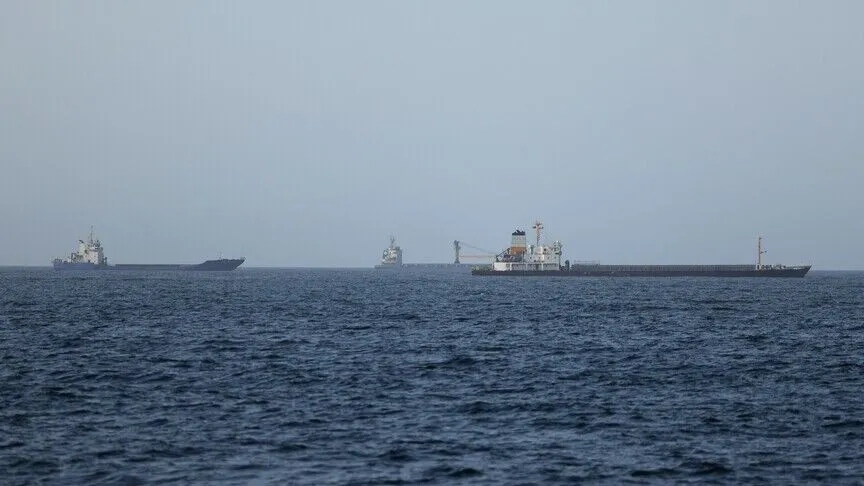
Doha and Tehran are engaged in discussions regarding the possible establishment of a “temporary joint navigational corridor” within the Hormuz Strait, according to a statement from the Qatari Foreign Ministry. The initiative involves Qatar and Iran exploring mechanisms for shared maritime passage through the strategic waterway. This diplomatic engagement between the two nations aims to facilitate navigation in the vital shipping lane. The Qatari Foreign Ministry confirmed these ongoing talks, indicating a bilateral effort to coordinate maritime activities in the Persian Gulf region. The discussions represent a significant development in regional maritime cooperation between Qatar and Iran, focusing on enhancing security and efficiency in this key maritime chokepoint.
High-Level Diplomatic Meetings
On Thursday, Qatari Prime Minister and Foreign Minister Sheikh Mohammed bin Abdulrahman bin Jassim Al Thani met with Iranian Foreign Minister Abbas Araghchi in Tehran. During the discussions, Sheikh Mohammed emphasized the importance of dialogue and the necessity of upholding international maritime principles. He stated that the parties should "respect the sovereignty of neighboring states and freedom of navigation." Araghchi showed the value of "continued diplomatic efforts aimed at reducing tensions and supporting dialogue," noting the mutual desire for regional stability. The meeting served as a platform to advance discussions on various bilateral and regional issues, including the proposed navigational corridor.
While in Tehran, Sheikh Mohammed also held a meeting with Iranian Parliament Speaker Mohammad Bagher Ghalibaf. The Qatari Prime Minister reiterated his country's commitment to the "resumption of the diplomatic track, saying dialogue remains the best way to address disputes and avoid further escalation." These high-level engagements show the depth of diplomatic efforts between the two nations to foster understanding and cooperation in the region.
Strait of Hormuz Significance
The Strait of Hormuz is a narrow waterway situated between Iran and Oman. It serves as a critical global shipping route, recognized as a vital chokepoint for the transport of oil and gas originating from the Persian Gulf. This strategic maritime passage is essential for international energy markets, facilitating a substantial portion of the world's seaborne crude oil and liquefied natural gas (LNG) shipments. The strait's geographical position makes it indispensable for commercial navigation in the region, with its critical role in global energy supply chains making any disruption a matter of international concern. Its strategic importance shows the need for clear and coordinated navigational protocols.
Diplomatic Goals and Navigation
Discussions between Qatar and Iran also addressed a proposed "transitional framework" for the Hormuz Strait, which would involve establishing a "temporary joint navigational corridor" and joint efforts to clear the waterway of mines. This full approach aims to enhance safety and predictability for all vessels transiting the strait. Qatari Prime Minister and Foreign Minister Sheikh Mohammed bin Abdulrahman bin Jassim Al Thani emphasized the importance of dialogue, stating the need to "respect the sovereignty of neighboring states and freedom of navigation" as fundamental principles guiding these initiatives. Sheikh Mohammed also reiterated Qatar's commitment to the "resumption of the diplomatic track, saying dialogue remains the best way to address disputes and avoid further escalation." The proposed corridor and mine-clearing efforts are seen as practical steps towards de-escalation and improving maritime security. Iran's state-run Press TV reported that Sheikh Mohammed had additionally held talks with Iranian President Masoud Pezeshkian during his visit to Tehran, further solidifying the high-level nature of these ongoing diplomatic exchanges.
Broader Diplomatic Context
Qatari Prime Minister and Foreign Minister Sheikh Mohammed bin Abdulrahman bin Jassim Al Thani's visit to Tehran included meetings with Iranian Foreign Minister Abbas Araghchi, Parliament Speaker Mohammad Bagher Ghalibaf, and President Masoud Pezeshkian. These high-level discussions show ongoing diplomatic efforts between Qatar and Iran to address regional issues and enhance bilateral relations. The full agenda reflects a shared interest in promoting stability and security in the Persian Gulf, particularly concerning critical maritime routes. The engagement notes Qatar's role as a mediator and its commitment to fostering dialogue as a primary tool for resolving regional challenges.