From the archive
Qatar and Iran Discuss Regional Stability and Negotiations Amidst Tensions
Qatar and Iran's foreign ministers discussed regional stability and ongoing negotiations, with Qatar affirming support for peaceful crisis resolution.
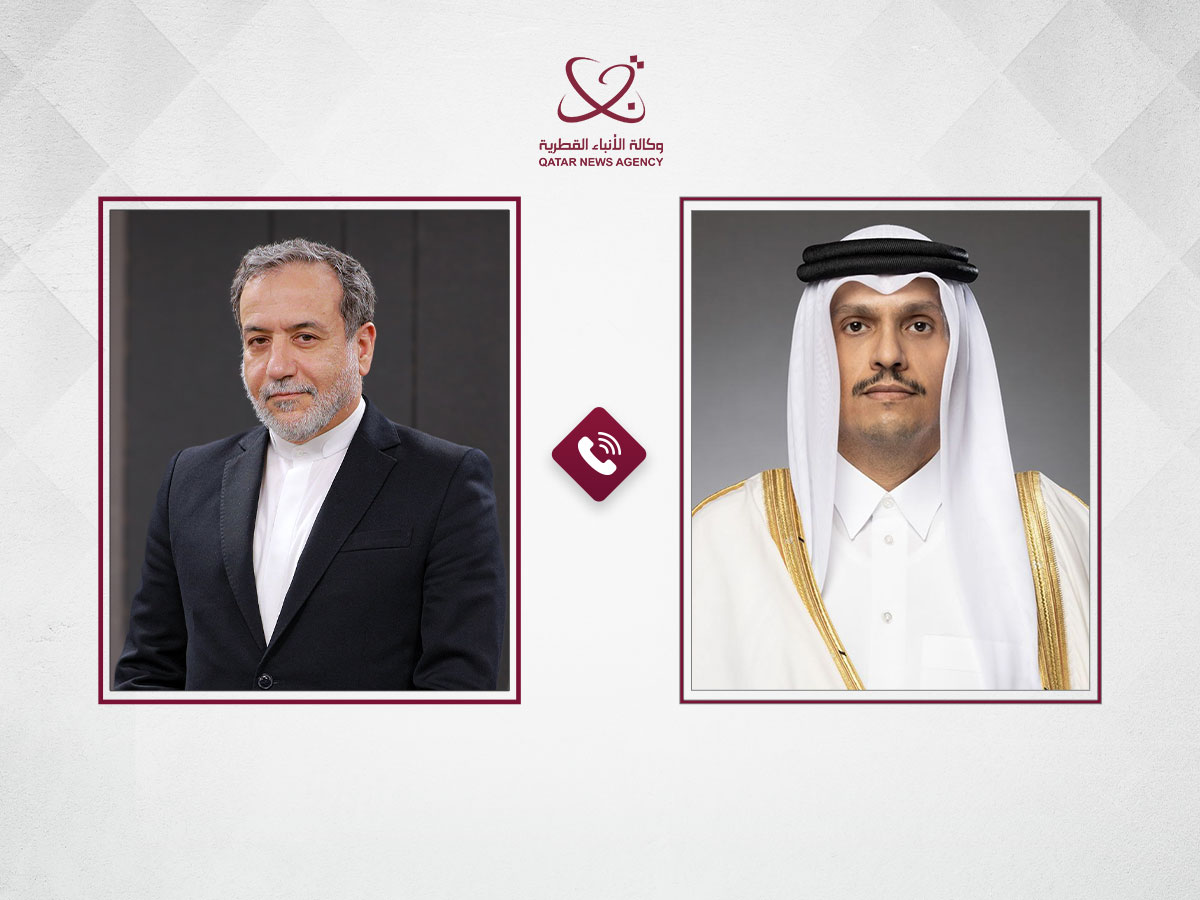
Qatar's Prime Minister and Minister of Foreign Affairs, Sheikh Mohammed bin Abdulrahman bin Jassim Al Thani, received a phone call from Iranian Foreign Minister Mr. Abbas Araghchi on Saturday. The two senior officials engaged in discussions centered on regional stability and ongoing diplomatic efforts, reflecting the continuous communication between the two nations on pressing geopolitical matters.
During the significant call, the Iranian Foreign Minister Mr. Abbas Araghchi briefed the Qatari official on the progress of current negotiations and broader diplomatic movement in the region. This detailed exchange between the two nations noted their shared commitment to engagement on critical regional issues, showing the importance of sustained diplomatic communications between Qatar and the Islamic Republic of Iran, particularly during periods of heightened tension.
Qatar's Stance on Negotiations
Qatar emphasized that all involved parties must respond to these efforts to facilitate progress in negotiations and limit the possibilities of renewed escalation. The Gulf nation showed that a constructive response from all stakeholders is key for translating diplomatic initiatives into tangible outcomes, thereby mitigating potential conflicts and fostering a more stable environment. This proactive approach is deemed essential to prevent any backsliding in diplomatic achievements and to ensure that channels for peaceful resolution remain open and effective.
The Gulf nation also stressed the necessity of adhering to the provisions of international law and the United Nations Charter. Qatar views strict compliance with these foundational legal frameworks as critical for upholding global order and ensuring equitable relations between states. Such adherence, it was noted, provides a strong framework for resolving disputes peacefully and protecting the sovereignty and integrity of all nations involved. Qatar asserted that prioritizing the interests of the region and its peoples will enhance both regional and international security and stability. This perspective notes a belief that collective well-being and mutual benefit should guide policy decisions, leading to more sustainable peace and prosperity across the Middle East and beyond. These points collectively reflect Qatar's consistent diplomatic approach to de-escalation and peaceful resolution in regional conflicts, advocating for dialogue and adherence to established international norms.
Upholding Freedom of Navigation
Regarding critical maritime routes, Qatar firmly stated that freedom of navigation is a firm principle that cannot be compromised. The nation views the unimpeded passage through international waters as fundamental to global trade and security. Closing the Strait of Hormuz or utilizing it as leverage, Qatar warned, would only deepen the existing crisis and endanger the vital interests of regional countries. Such actions are seen as highly destabilizing, with potential repercussions extending far beyond the immediate geographical area.
This could have negative repercussions on global energy and food supplies, and market stability. The Strait of Hormuz is a key choke point for a significant portion of the world's oil and gas shipments, and any disruption there would inevitably ripple through international markets, affecting prices and availability worldwide. Any disruption could significantly impact market stability worldwide, leading to economic uncertainty and potentially triggering broader geopolitical tensions. Qatar's stance shows the interconnectedness of regional security with global economic health.
Broader Regional Context
Qatar fully supports mediation efforts aimed at ending the crisis peacefully. The Gulf nation has consistently advocated for diplomatic solutions to regional challenges, positioning itself as a reliable mediator and facilitator of dialogue. Freedom of navigation is a firm principle that Qatar maintains cannot be compromised, reiterating its commitment to international maritime law and the unimpeded passage of vessels through critical waterways. This stance underlines Qatar's commitment to international maritime law and the unimpeded passage of vessels through critical waterways, recognizing their indispensable role in global commerce and stability. The country's diplomatic initiatives often center on de-escalation and promoting dialogue among regional actors to prevent further instability, reinforcing its role as a proponent of peaceful resolution in complex geopolitical landscapes.