From the archive
Qatar and Netherlands Discuss Regional Stability and US-Iran Talks
Qatar and Netherlands foreign ministers met in Doha to discuss regional stability and US-Iran negotiations. Qatar affirmed full support for dialogue.
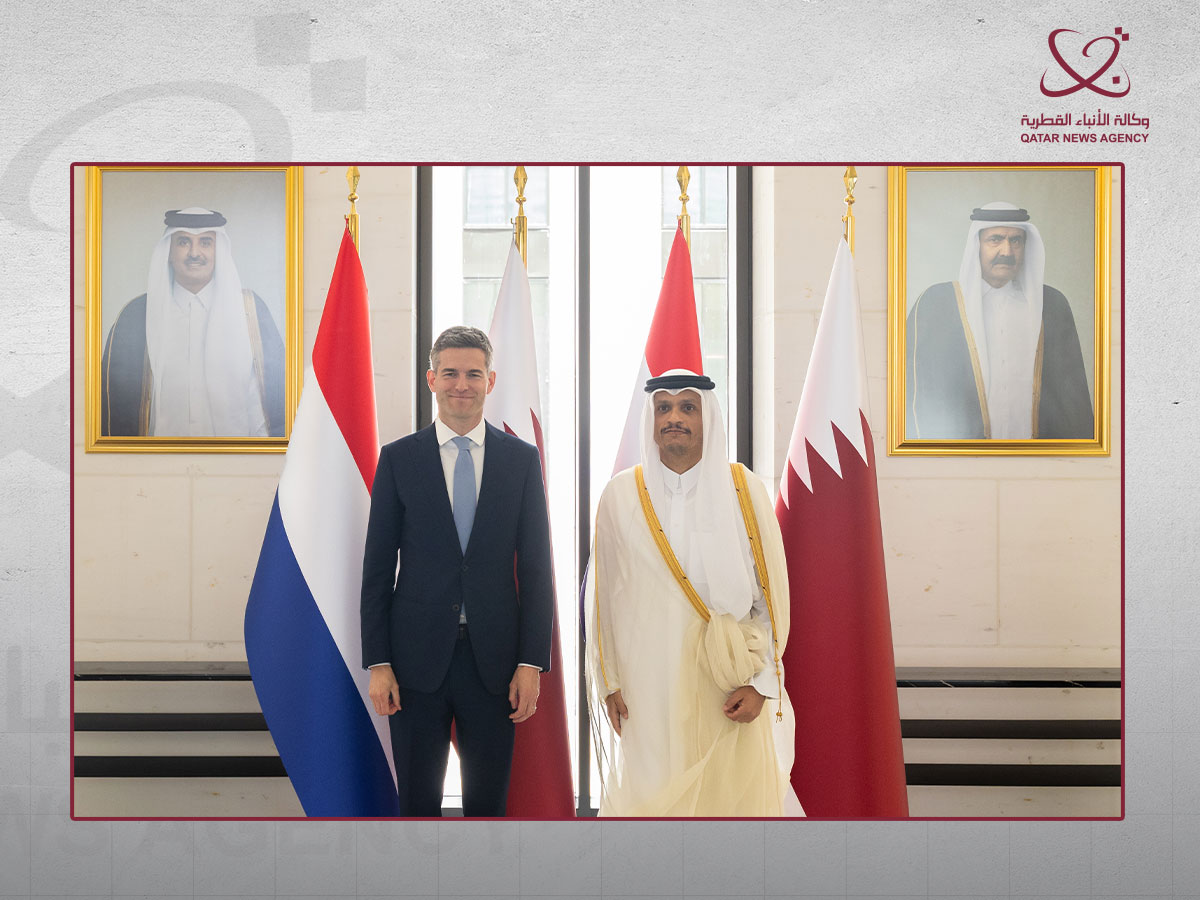
Sheikh Mohammed bin Abdulrahman bin Jassim Al Thani, Prime Minister and Minister of Foreign Affairs of Qatar, met with Tom Barendsen, Minister of Foreign Affairs of the Kingdom of the Netherlands, in Doha on June 23, 2026, to discuss regional stability and ongoing U.S.-Iran negotiations. The high-level encounter showed the diplomatic efforts of both nations to foster peace and security in a complex geopolitical landscape. During the meeting, Sheikh Mohammed bin Abdulrahman bin Jassim Al Thani affirmed Qatar's full support for the current talks between the American and Iranian sides. He stated, "دعم دولة قطر الكامل للمفاوضات الجارية بين الجانبين الأمريكي والإيراني، للتوصل إلى حلول مستدامة للقضايا العالقة عبر الحوار والوسائل السلمية، بما يعزز الأمن الإقليمي، ويسهم في فتح آفاق جديدة للتعاون والتنمية والازدهار، ويحقق المصالح المشتركة لشعوب المنطقة والعالم." This statement notes Qatar's belief in dialogue as the primary means to resolve outstanding issues and promote a stable regional environment.
Bilateral Cooperation Explored
Cooperation relations between Qatar and the Kingdom of the Netherlands were thoroughly reviewed during the meeting between Sheikh Mohammed bin Abdulrahman bin Jassim Al Thani and Tom Barendsen. Their discussions focused intently on identifying concrete ways to support and enhance these bilateral ties across various sectors. Both parties explored avenues to strengthen partnerships, aiming to foster mutual growth, understanding, and shared prosperity. The review noted the commitment of both nations to expanding their collaborative efforts, with a particular emphasis on areas that could yield significant benefits for their respective economies and societies. Deliberations included potential joint ventures in trade, investment, and cultural exchange, reflecting a desire to deepen the strategic partnership between Doha and The Hague. The objective was to lay a foundation for more strong and diversified engagement in the coming years.
Regional Security Dialogue
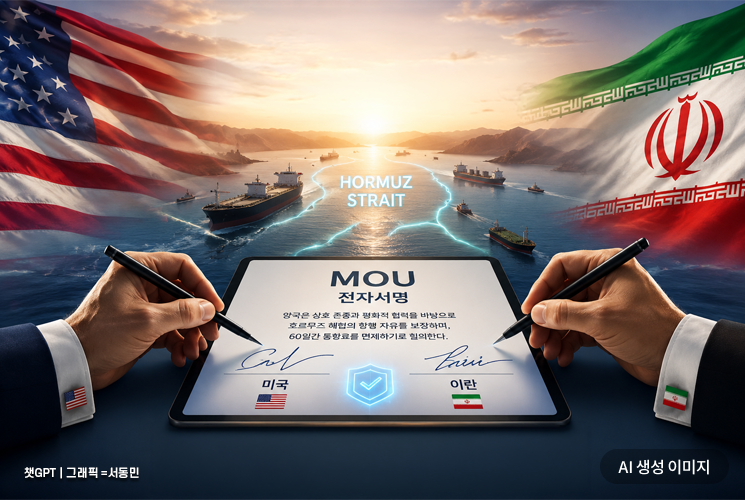
Discussions during the meeting in Doha addressed the latest regional developments, focusing on diplomatic efforts designed to enhance security and stability in the area. These conversations occurred subsequent to the signing of a Memorandum of Understanding between the United States of America and the Islamic Republic of Iran, an event that has significant implications for regional dynamics. The diplomatic initiatives aim to enhance regional security, seeking to open new horizons for cooperation, development, and prosperity across the Middle East. Additionally, these efforts are intended to achieve the common interests of the people of the region and the wider world, ensuring that stability benefits all stakeholders. The dialogue between Qatar and the Netherlands showed the critical importance of collaborative approaches to address complex geopolitical challenges. Both nations recognized the significance of sustained diplomatic engagement in de-escalating tensions and promoting a framework for lasting peace, emphasizing the role of international cooperation in achieving these goals.
Qatar's Stance on US-Iran Negotiations
Qatar has consistently expressed its full support for the ongoing negotiations between the American and Iranian sides regarding their respective concerns. Doha emphasized that these discussions are aimed at achieving sustainable solutions for pending issues through constructive engagement. The Qatari government firmly believes that dialogue and peaceful means are essential to resolve these matters, rather than confrontation. This approach, according to Qatari officials, is intended to significantly enhance regional security by reducing friction and building trust among nations. Qatar also sees the negotiations as a vital way to open new avenues for cooperation, development, and prosperity in the region, fostering an environment conducive to economic growth and social advancement. Ultimately, these efforts are expected to serve the common interests of the people in the region and across the globe, contributing to a more peaceful and interconnected international community.