From the archive
US, Qatar Explore Unfreezing Iranian Funds Amid Peace Pact
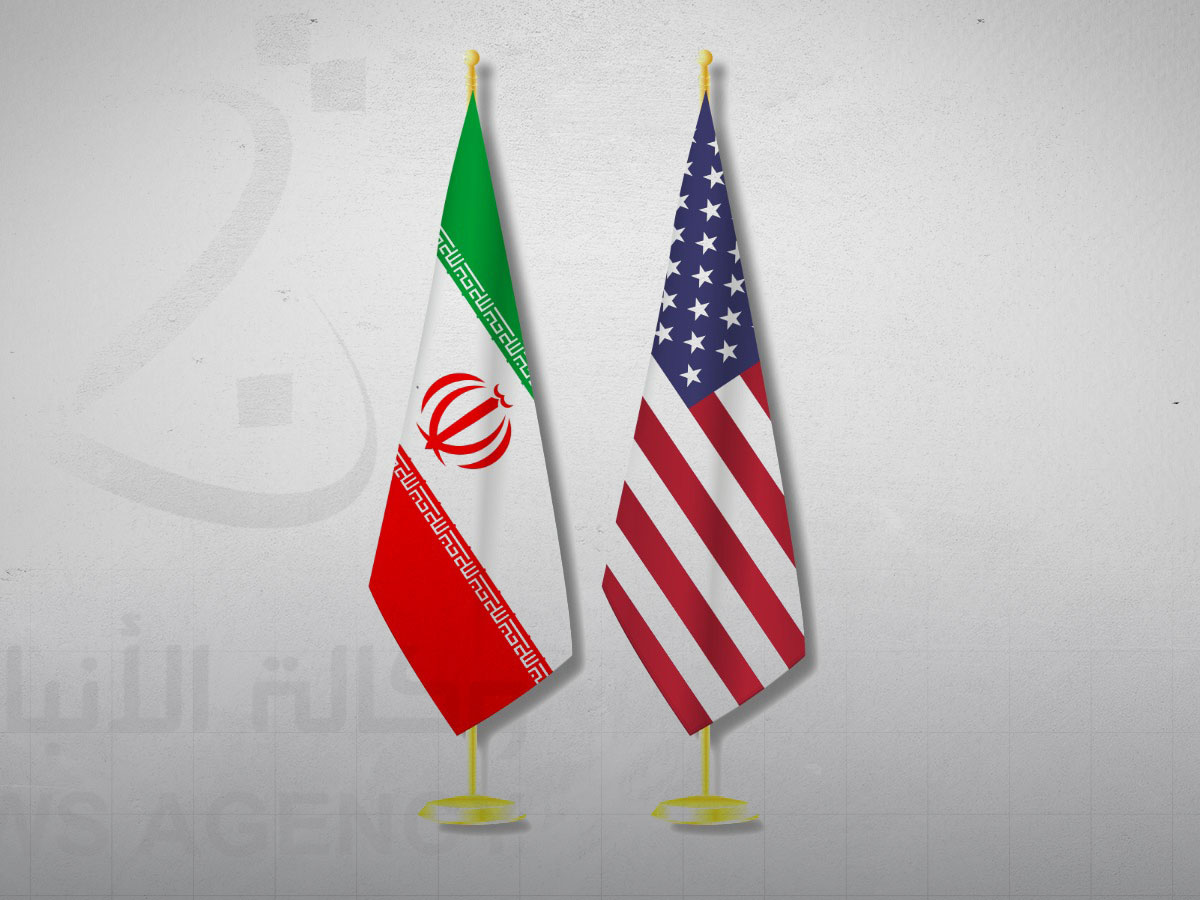
The US and Qatar are exploring a plan to unfreeze billions of dollars in Iranian funds for humanitarian purposes, linked to a new peace pact.
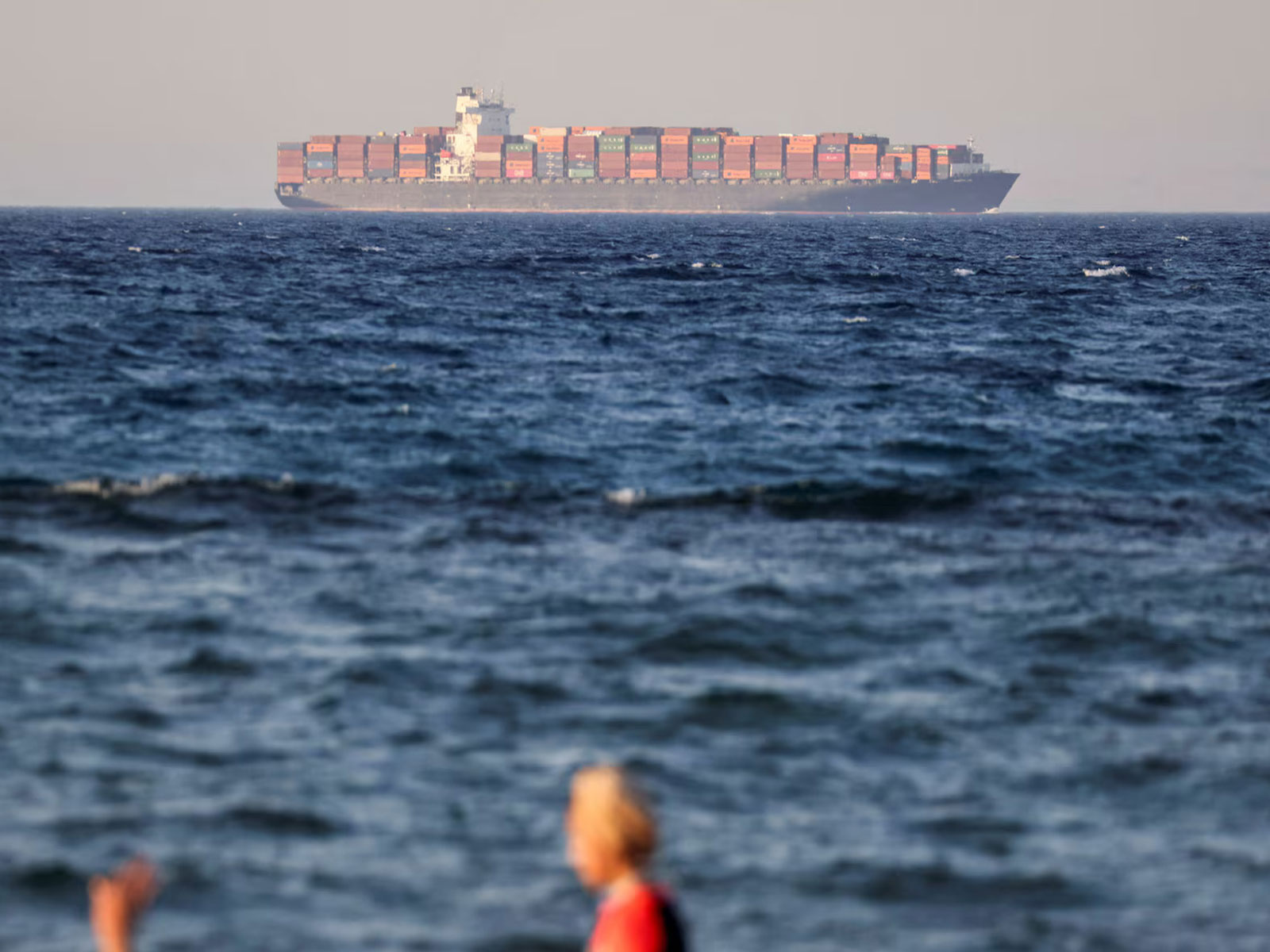
The United States is reportedly exploring a plan with Qatar to release billions of dollars in frozen Iranian funds for humanitarian purposes. This initiative is part of a recently agreed peace pact between Tehran and Washington. The plan aims to provide Iran access to a portion of its estimated USD 100 billion in cash held worldwide. Initial access would involve USD 6 billion currently held in Qatar. The United States is considering working with Qatar to plan the release of these billions of dollars in frozen funds specifically for humanitarian spending in Iran, a move that shows the diplomatic efforts to de-escalate tensions and provide essential relief.
Humanitarian Deal Details
Under the proposed agreement, Qatar would facilitate the purchase of humanitarian goods, including food and medicines, for Iran. This process would involve Iran's central bank placing orders for these essential items, which Qatar would then acquire using funds from Tehran's frozen assets. These assets include proceeds from oil sales that have been held overseas due to international sanctions. The arrangement specifies that the funds would be used exclusively for humanitarian purposes, ensuring that critical supplies reach the Iranian populace. This mechanism aims to provide a controlled pathway for Iran to access its assets while adhering to humanitarian principles, ensuring transparency and accountability in the use of the funds. The deal is structured to prevent any diversion of funds for non-humanitarian uses, focusing solely on the well-being of the Iranian population.
Peace Pact Framework
The 14-point Memorandum of Understanding (MoU) between the United States and Iran outlines several key provisions, forming a full framework for de-escalation and future cooperation. This agreement includes an immediate and permanent cessation of military operations, a critical step towards stabilizing the region. The MoU also pledges that both parties will conclude final deal negotiations within 60 days, with an option for extension by mutual consent, allowing for flexibility in complex discussions.
The document details plans for the US to begin removing its naval blockade and associated restrictions, a significant concession aimed at easing maritime pressures. In return, Iran will facilitate the safe passage of commercial vessels through the Strait of Hormuz, free of charge, for an initial 60-day period, ensuring unhindered global trade. The framework further plans for the phased lifting of sanctions and the release of frozen Iranian assets, which are central to Iran's economic recovery. It also includes provisions for US Treasury waivers for Iranian oil exports, enabling Iran to resume its key oil trade. Additionally, the MoU proposes a US-backed reconstruction and economic development program for Iran, signaling a long-term commitment to stability and prosperity in the region. This full approach aims to address both immediate security concerns and broader economic challenges.
Diplomatic Maneuvers
The first round of technical talks, initially scheduled to take place in Switzerland, was cancelled following the signing of a memorandum of understanding (MoU) aimed at ending hostilities in West Asia. These talks were intended to delve into the specifics of the broader peace agreement. The Swiss Foreign Ministry confirmed on Thursday that the planned discussions between the United States and Iran have been postponed. This postponement indicates a shift in the diplomatic timeline, with the immediate focus potentially remaining on the implementation of the initial MoU provisions. The cancellation of these technical talks suggests that the parties may be prioritizing the foundational aspects of the peace pact before moving to more detailed negotiations.
Qatar's Role and Support
Qatar has reiterated its backing for ongoing negotiations between the United States and Iran. The Gulf state emphasized its support for resolving issues through dialogue, indicating its commitment to facilitating diplomatic efforts between Washington and Tehran. Qatar's consistent stance reinforces its role as a key mediator in regional disputes, leveraging its relationships with both Western and Middle Eastern nations. This support is key for maintaining momentum in the delicate discussions between the two countries, providing a neutral ground for communication and negotiation. Qatar has consistently championed diplomatic resolutions, viewing dialogue as the most effective path to lasting peace and stability in the region.